
DISPATCHES FROM THE GUILD CONFERENCE, SERIES #55

Liver Masses: Work up and When to Worry

Read Article

Liver lesions are common. A nodule found on ultrasound could be benign without the need for follow-up or malignant requiring urgent attention. This review examines the differential diagnosis, epidemiology, and management of common liver lesions. We review the imaging (particularly contrast-enhanced magnetic resonance imaging) characteristics and management considerations for cystic lesions, hemangiomas, adenomas, and focal nodular hyperplasia. We also review the diagnostic approach to solid lesions in patients with cirrhosis where hepatocellular carcinoma is more common.

ELpidemiology
Liver lesions are common. The best data on population-based prevalence comes from incidental findings in scans ordered for reasons unrelated to the risk of liver lesions. For example, among 17,309 people receiving cross- sectional imaging ordered for lung cancer screening, 6.1% had liver lesions. Of these 1,064 lesions, one in three were potentially significant and 8 (0.8% of lesions) were found to be malignant.1 Among 4,691 patients who received abdominal imaging during a trauma evaluation, 93 (3%) had liver cysts and 10 (0.3%) had potentially significant lesions requiring further evaluation.2 There is variation depending on the population and the imaging modality selected. In general, when examining ultrasounds of the abdomen, cysts are detected in 6-8%, hemangiomas in 3-5%, focal nodular hyperplasia in 0.2-0.8%, and adenoma in 0.04%.3

Cystic Liver Lesions

Cystic lesions range from simple cysts which have no malignant potential to complex pre-malignant lesions. Simple cysts contain clear fluid, do not communicate with the biliary tree, and are smooth but occasionally contain septations, particularly if they have been complicated by hemorrhage (often after trauma). On ultrasound, there is often acoustic shadowing in the parenchyma distal to the cyst. Occasionally, when very large, simple cysts can cause abdominal symptoms and can be treated surgically.4 Hydatid cysts have thicker, frequently calcified walls with hypoechoic contents. On cross- sectional imaging, daughter cysts can be observed in the periphery.

Cystadenomas are cystic structures that have the potential for malignancy. Cross-sectional imaging is indicated when the cyst is irregular, with multiple septations, or very large. These have thick or irregular linings with papillary projections that often enhance during contrast phases, septations, and frequently contain heterogeneous fluid. Cystadenomas require monitoring or intervention given the risk of cystadenocarcinoma.

Solid liver lesions

General principles

If a patient has a small (<3cm), smooth, and stable (if prior imaging is available) lesion, it is likely to be benign. Many such lesions can be fully characterized by ultrasound, but cross-sectional imaging is usually definitive. Patients with cirrhosis (or hepatitis B) or known (or suspected) extrahepatic malignancy, and those with new or enlarging lesions (if prior imaging is available) require cross-sectional imaging for evaluation.

Understanding the biology across the differential diagnosis of solid liver lesions is key to ensuring accurate assessment and management. There are three central factors to consider: vascular supply, cellular components, and hormone sensitivity. (Table 1)

TABLE 1: Liver Lesion Basics 

LesionBiology Imaging FeaturesWhat to Do When to Worry What it Could Be Next Step 
Cyst Clear fluid. Smooth, occasional septations. Acoustic shadow on ultrasound. No monitoring needed for simple cysts. Ultrasound with nodular cyst wall, heterogeneous fluid, multiple septations, or calcifications. Cystadenoma can transform into malignancy. Hydatid cysts may require therapy. MRI with contrast. 
Hemangioma Septate clusters of vascular endothelium fed with hepatic arterial supply. Ultrasound: hyperechoic with sharp margins.  MRI: strong signal intensity on T2-weighted sequences and early peripheral arterial contrast enhancement with progressive centripetal filling on later phases. No monitoring needed. If >10 cm, can cause abdominal symptoms. If >20cm, rarely can cause coagulopathy. Cavernous (large) hemangiomas can cause pain or, very rarely,  Kasabach-Merrit Syndrome. Multidisciplinary management with a surgeon and liver tumor board. 
Focal nodular hyperplasia (FNH) Proliferative hepatocytes with intact portal triads surrounding a central scar. Ultrasound: subtle, if any differences from surrounding tissue. Doppler may see ‘spoke-wheel’ arterial flow.  Cross-sectional: arterial enhancement, isointensity in later phases. Scar will appear hypointense on T1, hyperintense on  T2, and hyperintense on delayed contrast-enhanced phases. No monitoring needed after diagnosis by MRI. If Gadolinium- Eovist enhanced MRI is not conclusive. Without conclusive imaging features, biopsy may be needed to exclude adenoma. Biopsy or multidisciplinary management at liver tumor board. 
Adenoma Hepatocytes that are less functional than those in FNH. They lack portal tracts and are fed by arteries. When caused by HNF1-A mutations, there is significant fatty infiltration. B-catenin mutations do not cause specific features. Inflammatory subtypes have vessel clusters and dilated sinusoids. Variable by subtype. Dilated vascular structures can be seen on ultrasound if present. If fatty infiltration, signal dropout on T1-weighted MRI sequences. HNF1a: arterial enhancement which fades on delayed phases. Inflammatory lesions with telangiectatic arteries are hyperintense on T2 with persistent enhancement on delayed phases. B-catenin lesions often appear the same. Noninflammatory lesions are isointense on T1 and T2 with arterial enhancement and delayed washout. Stop oral contraceptives. Consider 6 or 12 month follow up to determine growth pattern. Men, pregnancy, >5cm or growing. Large lesions can rupture and bleed or transform into hepatocellular carcinoma. Lesions with b-catenin mutations are more likely to transform into malignancy. Biopsy if lesion is inconclusive or needed for decision making. Resection for high-risk lesions (men, >5cm, growing, b-catenin mutation). Monitor each trimester in pregnancy and 12-weeks post-partum. Bland embolization if >5cm and pregnant. 
Hepatocellular Carcinoma (HCC) Malignant transformation of hepatocytes with preference for arterial blood supply. Arises in patients with cirrhosis, hepatitis B, and rarely in non-cirrhotic livers. Solitary or multi-nodular lesions. Ultrasound cannot distinguish from other lesions. Arterial hyperenhancement with ‘washout’ on portal veinous phases. Refer for multidisciplinary tumor board review. All patients require urgent evaluation. HCC is fatal if untreated. Multidisciplinary selection of therapeutic modalities. 
MRI = magnetic resonance imaging

Benign lesions

Hemangioma

A hemangioma is mass consisting of septate clusters of vascular endothelium fed with hepatic arterial supply. The classic ultrasound appearance is homogenously hyperechoic and sharp margins. On MRI, hemangiomas display strong signal intensity on T2-weighted sequences and enhance strongly with contrast.5 The pattern of enhancement is early/arterial enhancement in the periphery with progressive opacification through the portal and delayed phases. They are more common among women, can be large (>5cm), but do not grow or transform into malignancy.6 There is no need for further monitoring on oral contraceptives or during pregnancy.7 Rarely, the so-called ‘cavernous hemangioma’ (>5-10cm) can cause symptoms or rupture. Abdominal symptoms are common irrespective of the presence of liver lesions and attribution of abdominal symptoms to hemangiomas is therefore challenging and must be done carefully. Surgical resection or embolization is successful in highly selected cases. Among patients with hemangiomas >20cm, there have been case reports of Kasabach-Merrit Syndrome, a consumptive coagulopathy that improves with resection of the lesion.8

Focal Nodular Hyperplasia (FNH)

The vast majority of FNH occur in females. It is generally a solitary lesion. FNH consists of a proliferation of hyperplastic hepatocytes surrounding a central stellate scar with abnormal biliary drainage. There is no portal veinous supply and enlarged arterial branches are presented, coursing through the central fibrosis toward the lesion’s rim. To distinguish FNH from adenomas, contrast-enhanced cross-sectional imaging may be required. Specifically, multiphasic MRI with a contrast agent that is readily taken up by hepatocytes such as Eovist is useful.9 The enhancement issignificant during the arterial phase and it persists through the delayed phase because the hepatocytes are functional but the biliary drainage is abnormal. FNH are not hormone sensitive and need no additional monitoring during pregnancy or when patients receive oral contraceptives.7

Adenomas

Hepatocellular or hepatic adenomas are mostly benign but understanding several key features is needed to discern benign from risky lesions. Adenomas are clusters of nonfunctional hepatocytes without portal tracts – they are fed by arteries and lack portal venules or bile ducts – and often are diffusely infiltrated with steatosis. These features often lead to accurate diagnoses by MRI. When infiltrated by steatosis, there will be signal dropout on T1-weighted sequences. Many adenomas, particularly the common inflammatory subtype which has telangiectatic arteries, possess a strong hypersignal on T2-weighted images and display persistent enhancement on delayed phases. Notably, adenomas do not take up the MRI contrast agent Eovist because it is selective for (functional) hepatocytes. 

Adenomas can arise and grow in association with estrogen exposure. The epidemiology of adenomas is derived from case-control studies and suggest that the lower doses of estrogen in modern contraceptives are linked to a lower risk of adenoma development. Discontinuation of contraceptives results in regression or stability of the lesion.10 Of note, intrauterine devices, depoprogestin injections, and progestin-only pills are considered safe. Given the risk of growth during high estrogen states, pregnancy is a high-risk period for patients with adenomas. Women with adenomas should undergo ultrasound surveillance each trimester and at week 12 post-partum. The risk of hemorrhage and rupture is highest for lesions >5cm and therefore to prevent complications, bland transarterial embolization is indicated when lesions reach this size. Adenomas will also grow when exposed to and regress after discontinuation of anabolic steroids taken by men.11 Finally, adenomas arise in those with obesity and the metabolic syndrome. There is limited evidence to suggest that some adenoma will stabilize or shrink in response to weight loss.12 

Two key features characterize the risk of complications, namely hemorrhage and malignancy. First, lesions >5cm, particularly those in men or those which do not regress with discontinuation of estrogen, are high risk. Second, there are multiple histological subtypes of adenomas, and one is more likely to become cancer. The most common adenoma subtypes are the inflammatory, HNF1A mutated, and, comprising 10%, the beta-catenin mutated adenoma. Beta-catenin mutations pose the greatest risk of malignancy, are more common among men, and therefore molecular diagnostics from lesional biopsies can inform decision making. Specifically, this information guides the frequency of follow-up imaging and the benefit of early treatment particularly when size is <5cm or when patient is unsure of their next steps. Generally, resection is indicated when adenomas are growing during surveillance, when beta-catenin is detected, and for men. Surveillance can be short-term (6 months) when observing following cessation of estrogen therapy or at 1-year when tracking progression for lesions <5cm. 

Hepatocellular Carcinoma 

Cirrhosis is the primary risk factor for HCC, according for 80-90% of HCC with an annual incidence of 2-4%.13,14 The highest incidence are among people with uncured/viremic hepatitis C and uncontrolled hepatitis B infections.15, 16 Hepatitis B can cause HCC in the absence of cirrhosis. As such, people with cirrhosis should undergo screening for HCC. Among those with HBV, men >40 years old, females >50 years old, and those with a family history of HCC should be screened.17 Screening should involve liver ultrasounds and AFP testing semiannually, however cross-sectional imaging can be used. When a liver mass is detected in someone with cirrhosis or HBV, prompt diagnostic evaluation is needed to improve outcomes.18 Although it is a cancer, HCC can be diagnosed by imaging without the need for biopsy. When a suspicious lesion is found, patients should undergo cross-sectional diagnostic imaging with a multiphasic CT or MRI. Owing to the differential blood supply of the liver (primarily portal veinous blood) and HCC (primary arterial), the timing of contrast phase can identify lesions as HCC or not. Liver lesions are categorized and interpreted according to the American College of Radiology criteria for Liver Imaging Reporting and data system (LI-RADS).19 Lesions are classified from definitely benign (LI-RADS 1) to definitely HCC (LI-RADS 5), as well as non-HCC malignancy (LI-RADS M) and noncategorizable (LI-RADS NC). For LI-RADS 4 lesions and above, the AASLD recommends a multidisciplinary discussion, with biopsy in select cases, or follow up imaging in 3 months. 

Cholangiocarcinoma 

Intrahepatic cholangiocarcinoma is a rare (9 per 1,000,000 people) lesion with poor survival. Risk factors are poorly defined but there are some high-risk groups: primary sclerosing cholangitis, recurrent pyogenic cholangitis, liver flukes, Caroli’s disease, and age >65 years. Though often diagnosed when symptomatic and advanced, cholangiocarcinoma can be diagnosed as a solitary lesion. On ultrasound, they can be indistinguishable from other lesions but are occasionally irregular with associated capsular retraction. Cross-sectional contrast-enhanced imaging displays slow centripetal enhancement and the draining bile ducts are frequently dilated. 

CONCLUSION 

Liver lesions are frequently encountered incidentally. We review approaches in Table 1. The key principles guiding their diagnosis are fourfold. First, all decisions must be considered in the context of whether the patient has underlying chronic liver disease such as cirrhosis or sclerosing cholangitis. Second, many lesions can be diagnosed by ultrasound if cystic or small and smooth. Third, most lesions will require an MRI with contrast which provides the greatest detail based on the underlying physiology of the lesion. Fourth, where doubt remains following an MRI, follow-up imaging or discussion at a multidisciplinary tumor board are reasonable approaches. Following a diagnosis, management is often conservative apart from hepatic adenomas and lesions in patients with chronic liver disease. 

References

1. Nguyen XV, Davies L, Eastwood JD, Hoang JK. Extrapulmonary Findings and Malignancies in Participants Screened With Chest CT in the National Lung Screening Trial. J Am Coll Radiol. Mar 2017;14(3):324-330. doi:10.1016/j.jacr.2016.09.044

2. Ekeh AP, Walusimbi M, Brigham E, Woods RJ, McCarthy MC. The prevalence of incidental findings on abdominal computed tomography scans of trauma patients. J Emerg Med. May 2010;38(4):484-9. doi:10.1016/j.jemermed.2008.11.019

3. Kaltenbach TE-M, Engler P, Kratzer W, et al. Prevalence of benign focal liver lesions: ultrasound investigation of 45,319 hospital patients. Abdominal radiology. 2016;41:25-32.

4. Tapper EB, Martin D, Adsay NV, Kalb B, Kooby D, Sarmiento JM. Symptomatic bile duct hamartomas: surgical management in an MRI driven practice. Journal of Gastrointestinal Surgery. 2010;14:1265- 1270.

5. Liver EAftSot. EASL Clinical Practice Guidelines on the management of benign liver tumours. Journal of hepatology. 2016;65(2):386-398.

6. Gandolfi L, Leo P, Solmi L, Vitelli E, Verros G, Colecchia A. Natural history of hepatic haemangiomas: clinical and ultrasound study. Gut. 1991;32(6):677- 680.

7. Sarkar M, Brady CW, Fleckenstein J, et al. Reproductive Health and Liver Disease: Practice Guidance by the American Association for the Study of Liver Diseases. Hepatology. 2021;73(1):318-365. doi:10.1002/hep.31559

8. Liu X, Yang Z, Tan H, et al. Giant liver hemangioma with adult Kasabach-Merritt syndrome: case report and literature review. Medicine. 2017;96(31)

9. Grazioli L, Morana G, Kirchin MA, et al. MRI of focal nodular hyperplasia (FNH) with gadobenate dimeglumine (Gd-BOPTA) and SPIO (ferumoxides): an intra-individual comparison. J Magn Reson Imaging. May 2003;17(5):593-602. doi:10.1002/jmri.10289

10. Haring MP, Gouw AS, de Haas RJ, Cuperus FJ, de Jong KP, de Meijer VE. The effect of oral contraceptive pill cessation on hepatocellular adenoma diameter: A retrospective cohort study. Liver International. 2019;39(5):905-913.

11. Socas L, Zumbado M, Pérez-Luzardo O, et al. Hepatocellular adenomas associated with anabolic androgenic steroid abuse in bodybuilders: a report of two cases and a review of the literature. British Journal of Sports Medicine. 2005;39(5):e27-e27. doi:10.1136/ bjsm.2004.013599

12. Gevers TJ, Marcel Spanier B, Veendrick PB, Vrolijk JM. Regression of hepatocellular adenoma after bariatric surgery in severe obese patients. Liver International. 2018;38(12):2134-2136.

13. Kanwal F, Hoang T, Kramer JR, et al. Increasing prevalence of HCC and cirrhosis in patients with chronic hepatitis C virus infection. Gastroenterology. 2011;140(4):1182-1188. e1.

14. Fattovich G, Stroffolini T, Zagni I, Donato F. Hepatocellular carcinoma in cirrhosis: incidence and risk factors. Gastroenterology. 2004;127(5):S35-S50.

15. Jhaveri R. Screening for hepatitis C virus: how universal is universal? Clinical therapeutics. 2020;42(8):1434- 1441.

16. Owens DK, Davidson KW, Krist AH, et al. Screening for hepatitis C virus infection in adolescents and adults: US Preventive Services Task Force recommendation statement. Jama. 2020;323(10):970-975.

17. Marrero JA, Kulik LM, Sirlin CB, et al. Diagnosis, S taging, and M anagement of H epatocellular C arcinoma: 2018 P ractice G uidance by the A merican A ssociation for the S tudy of L iver D iseases. Hepatology. 2018;68(2):723-750.

18. Njei B, Rotman Y, Ditah I, Lim JK. Emerging trends in hepatocellular carcinoma incidence and mortality. Hepatology. 2015;61(1):191-199.

19. Tang A, Bashir MR, Corwin MT, et al. Evidence supporting LI-RADS major features for CT-and MR imaging–based diagnosis of hepatocellular carcinoma: a systematic review. Radiology. 2018;286(1):29-48.

Download Tables, Images & References

MEDICAL BULLETIN BOARD

Redhill and U.s. Army Announce Opaganib and Rhb-107 Combinations with Remdesivir Show Distinct Synergistic Effect Against Ebola

Investigational drugs opaganib and RHB-107 (upamostat) demonstrate distinct synergistic effect when combined individually with remdesivir, significantly improving potency while maintaining cell viability, in a new U.S. Army-funded and conducted in vitro Ebola virus study 

Opaganib and RHB-107 are both novel, oral, host-directed, small molecule investigational drugs that are easy to administer and distribute, with demonstrated activity against multiple viral targets, including COVID-19, and are expected to be effective against emerging viral variants 

Opaganib is believed to be the first host-directed molecule to show activity in Ebola virus disease, having recently delivered a statistically significant increase in survival time in a separate U.S. Army-funded in vivo Ebola virus study. RHB-107 was recently accepted for inclusion in the ACESO PROTECT adaptive platform trial for early COVID-19 outpatient treatment 

TEL-AVIV, Israel / RALEIGH, NC, December 20, 2023, RedHill Biopharma Ltd. (Nasdaq: RDHL) (“RedHill” or the “Company”), a specialty biopharmaceutical company, today announced that its two novel, oral host-directed investigational drugs, opaganib1 and RHB-107 (upamostat),2 demonstrated robust synergistic effect when combined individually with remdesivir (Veklury®),3 significantly improving viral inhibition while maintaining cell viability, in a new U.S. Army-funded and conducted Ebola virus in vitro study. 

“These encouraging in vitro results for opaganib and RHB-107 show a distinct synergy in terms of viral inhibition while maintaining cell viability (i.e., not increasing toxicity), when either is added to remdesivir, with opaganib showing the greatest synergistic effect in combination with remdesivir,” said Jeffrey Kugelman, Ph.D., Major(P), US Army MSC, Branch Chief Synthetic Biology & Surveillance, Molecular Biology Division, U.S. Army Medical Research Institute of Infectious Diseases (USAMRIID), who led the bioinformatics analysis of the study. “The results suggest that opaganib and upamostat may have potential or use in combination with direct antiviral agents, 

such as remdesivir, to improve treatment outcome, increasing efficacy while maintaining safety.” 

“Opaganib is believed to be the first host-directed molecule to show activity in Ebola virus disease, and these results add to a recent U.S. Army Ebola virus study in which opaganib delivered a statistically significant increase in mice survival time in vivo,” said Reza Fathi, Ph.D., RedHill’s SVP R&D. “Opaganib and RHB-107 are both novel, oral, host-directed, small molecule investigational drugs with demonstrated activity against multiple viral targets, including COVID-19, and are expected to be effective against emerging viral variants. This, together with their growing safety and tolerability databases, presents a compelling hypothesis for further study of their potential in treating Ebola virus.” 

Utilizing a checkerboard design to test the study compounds in combination, the study cell lines were pretreated and then infected with Ebola virus. The cells were fixed, washed and subjected to immunofluorescence staining using a virus-specific antibody. The raw data for the combination was analyzed to determine synergistic, additivity or antagonistic effects on viral inhibition while taking into account cell viability. 

Twice daily administered opaganib has previously demonstrated benefit in late-stage clinical studies of patients hospitalized with moderate to severe COVID-19 and was selected by the NIH Radiation and Nuclear Countermeasures Program (RNCP) for Acute Radiation Syndrome development. 

RHB-107 successfully met its U.S. Phase 2 study primary endpoint of safety and tolerability and delivered promising efficacy results, including marked reduction in hospitalization due to COVID-19. RHB-107 was recently accepted for inclusion in the ACESO PROTECT adaptive platform trial for early COVID-19 outpatient treatment. The 300-patient PROTECT Phase 2 RHB-107 arm, fully funded by non-dilutive external funding sources including the U.S. government,4 has received FDA clearance to start, with the first patient expected to be enrolled in the coming weeks. The study is being conducted in the U.S., Thailand, Ivory Coast, South Africa and Uganda, and is estimated to be completed by end of 2024. 

GIE MEDICAL ANNOUNCES FIRST PATIENT ENROLLED IN PATENT-E BENIGN ESOPHAGEAL STRICTURE TREATMENT STUDY 

The large, multicenter randomized controlled clinical trial is evaluating the safety and efficacy of the ProTractX3™ TTS drug coated balloon for the treatment of benign esophageal strictures 

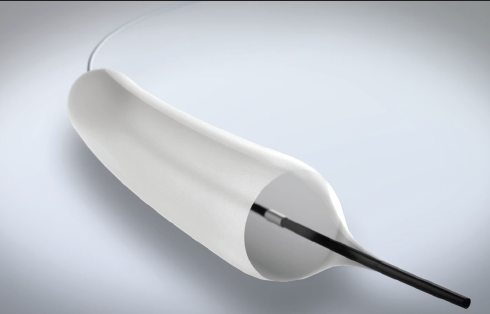
MINNEAPOLIS – December 7, 2023. GIE Medical, a clinical stage company developing solutions for patients suffering from benign stricture(s) of the esophagus or bowel, announced today that enrollment has begun in its Paclitaxel Coated Balloon for the Treatment of Chronic Benign Stricture – Esophagus (PATENT-E) study. The study is evaluating the safety and efficacy of the first of its kind ProTractX3™ TTS drug coated balloon (DCB) and the first patient was enrolled at the University of North Carolina School of Medicine. 

“We are excited to be testing this promising new technology,” said Nicholas J. Shaheen, MD, MPH, Chief, Division of Gastroenterology and Hepatology at the University of North Carolina School of Medicine. “Our patients with difficult-to-treat strictures need treatment options that are effective and safe. We hope to show that this innovative approach provides a new direction for them.” 

Earlier this year, the Food and Drug Administration Center for Devices and Radiological Health (CDRH) granted GIE Medical the Breakthrough Device Designation to expedite development of its ProTractX3™ TTS DCB for patient access because it has a reasonable chance of providing more effective treatment of life-threatening or irreversibly debilitating human disease or conditions than the current standard of care. 

“We are pleased to be enrolling the randomized cohorts in PATENT-E, our treatment for esophageal stricture IDE study, and look forward to the results,” said GIE Medical Vice President Drew McClure. “We sincerely thank our clinical partners and internal GIE Medical team for achieving this significant milestone.” 

  • People who may qualify to participate in the PATENT-E study: 
  • Are 22 years of age or older 
  • Are failing to respond to conventional dilation (have had at least one previous dilation in the past 12 months with diagnosis of stricture recurrence) 

GIE Medical’s ProTractX3™ 3-Stage TTS DCB is a balloon coated with the anti-restenotic agent paclitaxel. It is an investigational device in the U.S. 

ABOUT GIE MEDICAL 

GIE Medical is a clinical stage company conducting trials in the U.S. to help patients suffering from benign stricture(s) of the esophagus or bowel (small intestine, colon, and rectum). 

The ProTractX3™ Through the Scope Drug Coated Balloon could offer a new solution for treating GI strictures, potentially creating sustained long-term patency and reducing the number of treatments.

For more information, visit: GIEMedical.com 

References

References
1. Opaganib is an investigational new drug, not available for commercial
distribution.
2. RHB-107 is an investigational new drug, not available for commercial
distribution.
3. Remdesivir, a leading COVID-19 therapy, is sold under the
brand name Veklury® by Gilead Sciences, Inc. (Nasdaq:
GILD)
4. https://www.redhillbio.com/news/news-details/2023/RedHill-
Announces-New-Non-Dilutive-External-Funding-of-Entire-
RHB-107-COVID-19-300-Patient-Phase-2-Study/default.
aspx
More information about the company
is available at:
www.redhillbio.com / twitter.com/RedHillBio

Download Tables, Images & References

INTRODUCTION: DISPATCHES FROM THE GUILD CONFERENCE

Introduction: Dispatches from the GUILD Conference 2024

Read Article

Welcome to the eighth annual Dispatches from GUILD Conference series. The Gastrointestinal Updates-Bowel-Liver Inflammatory Disease (GUILD) Conference is an annual CME conference held in Maui, Hawaii every February (GUILD 2024: February 18-21). We are delighted to offer a hybrid meeting with over 250 health care providers attending live. GUILD again provides cutting edge updates in gastroenterology by world class speakers. Our topics this year include 2 days of IBD updates, a day of hepatology and a day devoted to general gastroenterology. We understand that trainees are our future. Ten Gastroenterology fellows were selected to attend the meeting and receive daily mentoring and networking from our star faculty. GUILD also recognizes the role played by nurse practitioners and physician assistants in the care of IBD and Liver patients and introduced a boot camp in 2019, awarding 10 scholarships to APPs to attend the meeting. 

To share our learning with the gastroenterology community at large, we are happy to continue our series beginning with the following article , “Liver Masses: Work up and When to Worry”. 

We look forward to providing informative and educational articles covering IBD, Hepatology and special topics in GI in Practical Gastroenterology over the following months. We hope to see you all in person for GUILD 2024 in Maui February 18-21. 

For more information on the GUILD Conference, visit: guildconference.com

Uma Mahadevan MD, Professor of Medicine, Director, UCSF Colitis and Crohn’s Disease Center

Download Tables, Images & References

FROM THE PEDIATRIC LITERATURE

Use of Pictograms to Help Diagnose Functional Abdominal Pain

Read Article

Functional abdominal pain (FAP) is a common presentation in both general pediatric and pediatric gastroenterology clinics, and there is no specific test to diagnose this disorder. A clinical history helps in determining if FAP is present, and the authors of this study evaluated the utility of pictograms in assisting the diagnosis of pediatric FAP.

This study was prospective and occurred over one year at two academic medical centers in Europe. Patients with organic gastrointestinal (GI) disease or patients who could not complete a symptom questionnaire independently were excluded, and recruited patients were randomly given a questionnaire with or without associated explanatory pictograms. The child’s health care provider also filled out the questionnaire but was blinded to patient questionnaire results. In total, 144 patients participated in the study for which 62% of patients were female. The mean patient age was 13.7 ± 2.4 years. No significant difference was seen in concordance rates between the patient and healthcare provider when comparing individual GI symptoms, including any symptoms of abdominal pain. However, using a questionnaire with pictograms was statistically significant in determining symptoms of nausea and emesis with good interrater reliability for symptoms of nausea, emesis, and regurgitation as measured by Cohen’s kappa coefficient. Children between 8 – 12 years of age had significantly more concordance of nausea and emesis symptoms when using a questionnaire with pictograms compared to their healthcare provider questionnaire, but no other GI symptoms were statistically different. Most patients found the questionnaire easy to understand. Significantly more children found the questionnaire with pictograms easier to understand compared to the questionnaire alone regarding the symptom of regurgitation although the patients in this comparative group was small.

This study did not demonstrate that pictograms significantly improve how children with FAP describe GI symptoms except in the setting of nausea and emesis. More work is needed here as pictograms used to determine GI symptoms would be very helpful in pediatric patients who cannot read or are too young to read.

de Bruijn C, Rexwinkel R, Vermeijden N, Hoffman I, Tack J, Benninga M. The Use of Pictograms in the Evaluation of Functional Abdominal Pain Disorders in Children. J Pediatr 2023; 263: 113647

Medications and the Risk of Eosinophilic Esophagitis in Children 

Eosinophilic esophagitis (EoE) is common in children, and the increase in incidence worldwide suggests a need to determine risk factors. Since antibiotic and acid-suppression medication can affect the intestinal microbiome and gut permeability, the authors of this study evaluated the long-term effects of these two medication classes in pregnant mothers as well as in infants to see if such medications led to a subsequent increased risk of EoE.

This study used Danish health registry data to collect information on pediatric patients with EoE and their mothers as well as control patients and their mothers. The Danish National Prescription Registry was analyzed to assess prescription type, frequency, and date of use. This data was combined with the Danish Medical Birth Register to determine pregnancy data. A total of 416 children with EoE (defined as ≤ 22 years of age at time of EoE diagnosis) was then compared 4160 age / sex- matched controls. The median age of patients with EoE was 11 years (range 6 – 15 years), and 68.8% of these patients were male. It was noted that most patients with EoE had a history of prematurity (11% versus 7.3%), were born by caesarean section (23.2% versus 19.6%) and had a history of newborn ICU admission (17.3% versus 10.2%).

The use of any antibiotic during a mother’s pregnancy was associated with an increased risk of their child developing EoE (adjusted odds ratio 1.5; 95% CI, 1.2-1.9) with this risk increasing with an increased number of maternal antibiotic prescriptions. The most common antibiotics prescribed were beta-lactam antibiotics and penicillins. The risk of antibiotics causing a mother’s child to have EoE was highest when used during the third trimester of pregnancy (adjusted odds ratio 1.5; 95% CI, 1.0-2.1). No such association was seen with single antibiotic use during the first or second trimester. This risk of EoE occurring in a patient who received antibiotics during infancy also was increased (adjusted odds ratio 1.4; 95% CI, 1.1-1.7), and the risk increased with an increased number of antibiotic prescriptions. Beta-lactam antibiotics and penicillins were the most commonly used prescriptions in these infants. Infants who received antibiotics closest to their birth date also had a higher risk for EoE (adjusted odds ratio 1.9; 95% CI, 1.1-3.1).

Similarly, use of maternal acid-suppression medication of any type during a mother’s pregnancy increased the risk of EoE in their children (adjusted odds ratio 1.7; 95% CI, 1.0-2.8) with the risk increasing with an increasing number acid- suppression medication prescriptions. A similar risk for developing EoE was present in children who received acid-suppression medications during infancy (adjusted odds ratio 15.9; 95% CI, 9.1- 27.7) with the risk increasing in children receiving more prescriptions for these medications. This risk was especially present in infants receiving proton pump inhibitors, in infants with a history of prematurity, and in infants who received such medications in late infancy (defined as 7 to 12 months of age) as opposed to early infancy (birth to 6 months of age).

This study is extremely important as it identifies potential risk factors for development of childhood EoE that may be preventable. Appropriate use of antibiotics and acid-suppression medication possibly could prevent EoE in specific scenarios. However, the increased use of acid-suppression medications in infants who went on to develop EoE in this study could have been due to early symptoms of not-yet diagnosed EoE.

Jensen E, Svane H, Erichsen R, Kurt G, Heide- Jorgensen U, Sorensen H, Dellon E. Maternal and Infant Antibiotic and Acid Suppressant Use and Risk of Eosinophilic Esophagitis. JAMA Pediatr 2023; 177: 1285-1293.

John Pohl, M.D., Book Editor, is on the Editorial Board of Practical Gastroenterology

Download Tables, Images & References

FRONTIERS IN ENDOSCOPY, SERIES #88

Radiofrequency Ablation for Indications Beyond Barrett’s Esophagus

Read Article

INTRODUCTION 

Radiofrequency ablation (RFA) was first approved by the United States Food and Drug Administration in 2001 for the treatment of Barrett’s esophagus and for gastric hemostatic applications.1 RFA uses alternating electrical currents in a closed circuit whereby tissues between two electrodes will become coagulated.2 The acute coagulative necrosis occurs when temperatures within tissue are greater than 60 degrees Celsius and results in denaturing of proteins, melting of the plasma membrane, and near instantaneous cell death.3 

Within the GI tract, RFA is perhaps best known for treating dysplastic lesions in the esophagus (typically Barrett’s esophagus with dysplasia), as well as pancreatic neoplasia, and malignant biliary obstruction.4 

This review will focus on the application of RFA in the luminal GI tract for non-Barrett’s lesions. 

Overview of Endoscopic RFA Technology 

Unlike esophageal RFA treatment for Barrett’s esophagus, the coagulum that forms after RFA for benign luminal GI conditions is not scraped to minimize the risk of bleeding.4 In the U.S.A., RFA is performed with the Barrx Flex generator (Medtronic Inc, Sunnyvale, CA). The device is a bipolar radiofrequency (RF) generator which connects to various single-use RFA catheters. The generator measures tissue impedance during RF energy delivery and automatically adjusts energy output to obtain an equal depth of tissue ablation throughout the field.4 Catheters for use in the GI lumen include over the scope and through – the – scope (TTS) catheters. 

RFA for Symptomatic Cervical Inlet Patches 

Cervical inlet patches (CIP) are heterotropic gastric mucosa located in the proximal esophagus just below 

the upper esophageal sphincter, usually 15-20 cm from the incisors and are considered a congenital condition.5 CIP is often an incidental finding, but in some patients, it can cause symptoms, and rarely may have evidence of Barrett’s esophagus and/or dysplasia necessitating treatment. Symptomatic patients most commonly present with dysphagia and cough, but ulcers, bleeding, and even peptic strictures can develop.6 Medical management of CIP begins with proton pump inhibitors and while this may improve some symptoms, it is at times ineffective and endoscopic therapy is warranted.7 

Endoscopic therapy includes argon plasma coagulation (APC) and RFA. (Figure 1) Unlike APC, the uniform depth of ablation with RFA is felt to reduce the risk of adverse events such as stricture formation, perforation, and buried glands that may be seen following treatment with APC. One of the first studies to show safety and efficacy of RFA ablation for CIP was a ten-patient pilot study using a TTS RFA device. In this study by Dunn et al, all visible CIP was treated with three energy applications at 12 J/cm2 with a median of two RFA sessions and a total of 179 ablations. Follow up esophagogastroduodenoscopy (EGD) was performed at three and 12 months. Complete endoscopic and histologic resolution of CIP was seen in 80% of patients.8 RFA of the CIP also 

had clinical success with improvement in globus sensation, sore throat, and cough. Treatment with RFA was durable as there was no recurrence of buried glands on biopsies or symptoms at 14 months follow up and no adverse events including strictures were reported.8 

An additional study evaluated patients with large, symptomatic CIP (greater than 20 mm) and found that 80% of patients achieved macroscopic and histologic resolution of CIP after two RFA ablations. These patients had significant improvement in globus sensation, mental health scores, and laryngopharyngeal reflux. Similarly, no strictures or chronic adverse events were seen after mean follow up of 1.9 years.9 Overall, RFA for the treatment of CIP is effective for histologic removal of CIP and symptom improvement and with potentially less risk of deeper mucosal damage compared to APC. 

RFA for Gastric Antral Vascular Ectasia 

Gastric antral vascular ectasia (GAVE), often referred to as “Watermelon stomach,” is the endoscopic appearance of erythematous stripes, which are visibly convoluted columns of vessels, extending from the pylorus into the distal gastric body.10 The dilated, fragile, and ectatic blood vessels are located within the superficial 

submucosa and mucosa and, when disrupted, cause gastrointestinal bleeding, iron deficiency anemia, and need for red blood cell transfusion.10 GAVE is seen in 30% of patients with cirrhosis and is also associated with autoimmune conditions such as scleroderma, CREST syndrome, Raynaud’s, and chronic kidney disease.11,12 The severity of GAVE has yet to establish a correlation with degree of chronic disease severity.13 Distinguishing GAVE from portal hypertension gastropathy (PHG) is critical as GAVE will not respond to therapy aimed at reducing portal pressures, unlike PHG.14 

Prior to RFA, endoscopic treatment for GAVE was generally performed via thermal therapy with APC or the now obsolete laser therapy.15 The objective of thermal therapy is the eradication of the ectatic vessels that result in blood loss. APC has been widely used due to ease of use, low cost, and overall safety.13 However, unlike RFA, APC can be difficult to apply over large areas, and the depth of injury is highly variable. (Figure 2) 

One of the first studies to evaluate RFA for treatment of GAVE was a pilot study of six patients with hemorrhagic GAVE and blood transfusion dependence.16 In this study, four of the six patients had failed prior APC. The HALO90 ablation system with over the scope RFA catheter fixed at the 12 0’clock position was used, four pulses per GAVE site were applied with a uniform depth of ablation created over 3 cm.2 The maximum depth of ablation was limited to the superficial mucosa (14 J/cm2 of energy applied). Overall, there was an improvement in hemoglobin of 1.2 g/dL with only one patient still being transfusion dependent at the end of the study.16 No adverse events were reported. 

Other studies also evaluated GAVE refractory to APC, treated with RFA, including use of the HALO90 ULTRA ablation catheter (with a surface area of 5.2 cm2).17,18 Technical success was defined as complete eradication of endoscopic GAVE. In these prospective studies patients required a median number of 2 – 2.5 RFA sessions to achieve a goal of 90% technical success in one study and 100% in the other. In the study by Jana et al., 71% of patients achieved clinical success and were transfusion independent at 6 months follow-up.18 

In addition to the classic flat, striped, watermelon appearance of GAVE there is a nodular phenotype. Nodular GAVE is seen in 30% of cases and described as endoscopically smooth, benign-appearing nodules in the antrum, often associated with cirrhosis.19 Previously, nodular GAVE was considered a distinct histopathologic entity, but now 

is thought to be gastric hyperplastic polyps arising in a background of GAVE.20,21 Similar to flat GAVE, nodular GAVE can also present with chronic iron deficiency anemia and gastrointestinal bleeding. Treatment involves APC, RFA, and the possible addition of endoscopic band ligation (EBL) for refractory nodular GAVE. Case series have shown that nodular GAVE may be more difficult to treat and multimodal therapy, either APC or RFA with banding have improved hemoglobin concentrations with less blood transfusions.22,23,24 

RFA versus APC for GAVE 

A large, systemic review and meta-analysis of APC (24 studies, 508 patients) vs. RFA (9 studies, 104 patients) found those treated with RFA required fewer treatment sessions (2.10 vs. 3.39 for APC, p < 0.001) and had improved endoscopic ablation success (97% for RFA and 66% for APC, p < 0.001). Post-treatment pooled hemoglobin increase, and number of blood transfusions was statistically better in the APC group. However, 47% of the RFA patients had GAVE refractory to APC therapy, suggesting some heterogeneity in the samples between modalities. Overall, RFA was associated with fewer adverse events compared to the APC group.25 

Regarding adverse events of RFA, ulcerations and traumatic laceration to the gastric cardia, nausea, vomiting, and abdominal pain have been reported upon removal of the HALO90 ULTRA device.26 Less common are reports of sepsis and bacteremia. A case report of a patient with cirrhosis and GAVE without evidence of infective endocarditis or spontaneous bacterial peritonitis developed streptococcus intermedius bacteremia almost two weeks after the fourth and final session of RFA with a total of 50 pulses, at least raising the possibility that these two events were related.27 Mucosal injury from RFA was the suspected cause of bacterial translocation. While there are overall limited reports of RFA adverse events, perhaps the largest deterrent to RFA use is the overall cost, which is approximately five times greater per use than APC.28 Furthermore, almost all endoscopy facilities have APC technology on hand, while RFA is in much more limited use. 

RFA for Radiation Proctitis 

RFA also has a role in the treatment of radiation proctitis. Approximately 5-20% of patients receiving radiotherapy for pelvic malignancies such as: prostate, cervical, vaginal, ovarian, and bladder cancer, etc., will develop radiation proctitis.29,30 Cell death and apoptosis from radiation damage to DNA, lipids, and proteins occurs.31 This microvascular injury to the rectal mucosa gives rise to ischemia, fibrosis, and the development of fragile and friable neovascular lesions susceptible to hemorrhage.32 (Figure 3) Chronic rectal bleeding from radiation proctitis may result in iron deficiency anemia and blood transfusion dependence. 

APC has been the primary therapy for radiation proctitis for many years, but with limitations. Following APC, post-treatment ulcerations can develop from the deeper depth of thermal injury associated with this technology.33,34 Adverse events from APC for radiation proctitis include perforation and tissue necrosis in up to 14% of patients.34 

With regards to RFA, the tightly spaced bipolar RFA catheter limits the RF energy penetration to the superficial mucosa, where the vessels of interest exist, reducing the risk of deep tissue injury as can occur with APC.35 

While less common, radiation-induced sigmoiditis is also seen following radiotherapy for pelvic malignancy. Radiation sigmoiditis may be more resistant to treatment with ablation therapy due to difficulty in targeting affected tissue with APC in the sigmoid colon.36 

RFA can potentially be used to treat radiation sigmoiditis as well. A retrospective study used 12 J/cm2 instead of 15 J/cm2 when radiation proctitis lesions were greater than 8 cm proximal to the dentate line.37 No significant adverse events were seen. Mild to moderate anal pain was found in 34.2% of patients and controlled with acetaminophen or combined with non-steroidal anti-inflammatory drugs, or topical analgesics.37 An initial proof of concept ex vivo study to evaluate RFA for the treatment of radiation proctitis was performed in 2011 by Trunzo et al. In this study, RFA was performed with two to four applications of energy applied to surgically resected left colon and rectum segments with a range of 12 to 20 J/cm.2 Sites receiving two applications of RFA showed no serosal alteration compared to 15% (p = 0.11) of sites receiving four applications. Histologic depth of ablation within the muscularis propria was seen in 25% of two-application sites and 63% of four-application sites (p < 0.05). Regardless of increasing energy density, there was no correlation with deeper ablation injury. This study suggested RFA for treatment of radiation proctitis was feasible and without significant risk of deep submucosal injury with only two RFA applications.38 

Other case studies evaluated patients with chronic radiation proctitis with hemorrhage using RFA HALO90 or HALO90 ULTRA catheters and found that broad areas of active bleeding could be treated in two to four RFA sessions to control rectal bleeding.39,39 In one study, endoscopic optical coherence tomography (EOCT) was used to identify ectatic blood vessels in the rectum greater than 50 um in diameter. After RFA, EOCT showed re-epithelialization over the treated areas.40 Follow up after 2 sessions of RFA, 12-17 months later, showed new epithelium without development of ulcerations, strictures, or rebleeding.39 

One of the larger studies to investigate RFA therapy for radiation proctitis evaluated 39 Veteran’s Affairs patients. Enrolled patients had a history of endoscopically confirmed chronic radiation proctitis with recurrent hematochezia for at least three months and were treated with a mean number of 1.49 RFA sessions with the RFA catheter mounted in the 6 o’clock position on the endoscope. Rectal bleeding stopped in all patients at follow-up, and mean hemoglobin increased from 11.8 g/ dL to 13.5 g/dL (p < 0.001).41 Discontinuation of red blood cell transfusion and iron therapy was seen in 92% and 82% of patients respectively.40 Endoscopic improvement was assessed via the rectal telangiectasia density score (range 0: normal mucosa to 3: two or more coalescing patches of rectal telangiectasias) with initial scores of 3 at the start of therapy, decreased to 0 (p < 0.0001) during follow-up. 

Findings of improvement in radiation proctitis were reported in a retrospective single arm cohort study of 35 patients. In this study, the mean follow up was 18.6 months and rectal telangiectasia density score decreased from mean of 2.96 to 0.85 (p < 0.0001) at the end of follow up.37 All patients in this study had resolution of hematochezia and statistically improved levels in hemoglobin at the end of the study. Rectal ulcers, fistulas, and strictures did not occur.41 A systematic review and metanalysis of six studies (71 patients) in which 38% of patients with chronic radiation proctitis had failed prior APC treatment, required a mean of 1.71 RFA sessions to achieve a pooled clinical and endoscopic success of 99% and 100% (p < .0001). Patients were followed for a mean of 19.73 months. There were no serious adverse events and there was a mean weighted difference of hemoglobin improvement post-RFA of 2.49 g/dL.42 

CONCLUSION 

The use of RFA has expanded well beyond the treatment of Barrett’s esophagus. RFA has shown great efficacy in the treatment of symptomatic cervical inlet patches, GAVE, and radiation proctitis in patients with and without other prior endoscopic treatments. 

Among patients with symptomatic inlet patches, RFA was shown to effectively ablate endoscopic and histologic evidence of heterotropic gastric mucosa in most patients. Many patients had clinical resolution of globus, sore throat, and cough and without stricture formation or serious adverse events. Patients with GAVE also have high rates of endoscopic eradication following RFA and may be an alternative to patients with refractory GAVE previously treated with APC. RFA in radiation proctitis results in the development of new epithelium with decreased risk of bleeding or need for blood transfusions. Application of RFA for these indications is effective, with an acceptable level of adverse events. 

References

References

1. McGorisk T, Krishnan K, Keefer L, Komanduri S. Radiofrequency ablation for refractory gastric antral vascular ectasia (with video). Gastrointest Endosc. 2013 Oct;78(4):584-8. doi: 10.1016/j.gie.2013.04.173. Epub 2013 May 6. PMID: 23660565.

2. Borggrefe M, Hindricks G, Haverkamp W, Breithardt G. Catheter ablation using radiofrequency energy. Clin Cardiol. 1990 Feb;13(2):127-31. doi: 10.1002/clc.4960130212. PMID: 2407395.

3. Knavel EM, Brace CL. Tumor ablation: common modalities and general practices. Tech Vasc Interv Radiol. 2013 Dec;16(4):192-200. doi: 10.1053/j.tvir.2013.08.002. PMID: 24238374; PMCID: PMC4281168.33

4. ASGE Technology Committee; Navaneethan U, Thosani N, Goodman A, Manfredi M, Pannala R, Parsi MA, Smith ZL, Sullivan SA, Banerjee S, Maple JT. Radiofrequency ablation devices. VideoGIE. 2017 Sep 28;2(10):252-259. doi: 10.1016/j.vgie.2017.06.002. PMID: 29905337; PMCID: PMC5992954.

5. Rusu R, Ishaq S, Wong T, Dunn JM. Cervical inlet patch: new insights into diagnosis and endoscopic therapy. Frontline Gastroenterol. 2018 Jul;9(3):214-220. doi: 10.1136/flgastro-2017-100855. Epub 2017 Nov 9. PMID: 30046427; PMCID: PMC6056090.

6. De La Chapa JS, Harryman CJ, McGarey PO, Daniero JJ. Clinical Characteristics of the Cervical Inlet Patch: A Case Series. OTO Open. 2023 Feb 17;7(1):e24. doi: 10.1002/ oto2.24. PMID: 36998556; PMCID: PMC10046733.

7. Rusu R, Ishaq S, Wong T, Dunn JM. Cervical inlet patch: new insights into diagnosis and endoscopic therapy. Frontline Gastroenterol. 2018 Jul;9(3):214-220. doi: 10.1136/flgastro-2017-100855. Epub 2017 Nov 9. PMID: 30046427; PMCID: PMC6056090.

8. Dunn JM, Sui G, Anggiansah A, Wong T. Radiofrequency ablation of symptomatic cervical inlet patch using a through-the-scope device: a pilot study. Gastrointest Endosc. 2016 Dec;84(6):1022-1026.e2. doi: 10.1016/j.gie.2016.06.037. Epub 2016 Jul 1. PMID: 27373671.

9. Kristo I, Rieder E, Paireder M, Schwameis K, Jomrich G, Dolak W, Parzefall T, Riegler M, Asari R, Schoppmann SF. Radiofrequency ablation in patients with large cervical heterotopic gastric mucosa and globus sensation: Closing the treatment gap. Dig Endosc. 2018 Mar;30(2):212-218. doi: 10.1111/den.12959. Epub 2017 Oct 3. PMID: 28884487.

10. Jabbari M, Cherry R, Lough JO, Daly DS, Kinnear DG, Goresky CA. Gastric antral vascular ectasia: the watermelon stomach. Gastroenterology. 1984 Nov;87(5):1165-70. PMID: 6332757.

11. Sebastian S, O’Morain CA, Buckley MJ. Review article: current therapeutic options for gastric antral vascular ectasia. Aliment Pharmacol Ther. 2003 Jul 15;18(2):157-65. doi: 10.1046/j.1365-2036.2003.01617.x. PMID: 12869075.

12. Fuccio L, Mussetto A, Laterza L, Eusebi LH, Bazzoli F. Diagnosis and management of gastric antral vascular ectasia. World J Gastrointest Endosc. 2013 Jan 16;5(1):6- 13. doi: 10.4253/wjge.v5.i1.6. PMID: 23330048; PMCID: PMC3547119.

13. Dulai GS, Jensen DM, Kovacs TO, Gralnek IM, Jutabha R. Endoscopic treatment outcomes in watermelon stomach patients with and without portal hypertension. Endoscopy. 2004 Jan;36(1):68-72. doi: 10.1055/s-2004-814112. PMID: 14722858.

14. Kamath PS, Lacerda M, Ahlquist DA, McKusick MA, Andrews JC, Nagorney DA. Gastric mucosal responses to intrahepatic portosystemic shunting in patients with cirrhosis. Gastroenterology. 2000 May;118(5):905-11. doi: 10.1016/s0016-5085(00)70176-4. PMID: 10784589.

15. Jana T, Thosani N, Fallon MB, Dupont AW, Ertan A. Radiofrequency ablation for treatment of refractory gastric antral vascular ectasia (with video). Endosc Int Open. 2015 Apr;3(2):E125-7. doi: 10.1055/s-0034-1391323. Epub 2015 Feb 11. PMID: 26135652; PMCID: PMC4477020.

16. Gross SA, Al-Haddad M, Gill KR, Schore AN, Wallace MB. Endoscopic mucosal ablation for the treatment of gastric antral vascular ectasia with the HALO90 system: a pilot study. Gastrointest Endosc. 2008 Feb;67(2):324-7. doi: 10.1016/j.gie.2007.09.020. PMID: 18226696.

17. McGorisk T, Krishnan K, Keefer L, Komanduri S. Radiofrequency ablation for refractory gastric antral vascular ectasia (with video). Gastrointest Endosc. 2013 Oct;78(4):584-8. doi: 10.1016/j.gie.2013.04.173. Epub 2013 May 6. PMID: 23660565.

18. Jana T, Thosani N, Fallon MB, Dupont AW, Ertan A. Radiofrequency ablation for treatment of refractory gastric antral vascular ectasia (with video). Endosc Int Open. 2015 Apr;3(2):E125-7. doi: 10.1055/s-0034-1391323. Epub 2015 Feb 11. PMID: 26135652; PMCID: PMC4477020.

19. Thomas A, Koch D, Marsteller W, Lewin D, Reuben A. An Analysis of the Clinical, Laboratory, and Histological Features of Striped, Punctate, and Nodular Gastric Antral Vascular Ectasia. Dig Dis Sci. 2018 Apr;63(4):966-973. doi: 10.1007/s10620-018-4965-z. Epub 2018 Feb 15. PMID: 29450749.]

20. Vesoulis Z, Naik N, Maseelall P. Histopathologic changes are not specific for diagnosis of gastric antral vascular ectasia (GAVE) syndrome: a review of the pathogenesis and a comparative image analysis morphometric study of GAVE syndrome and gastric hyperplastic polyps. Am J Clin Pathol. 1998 May;109(5):558-64. doi: 10.1093/ajcp/109.5.558. PMID: 9576573.

21. Sanchez-Avila M, Amin K, Chauhan A, Geng Z, Mallery S, Snover DC. In Search of Nodular Gastric Antral Vascular Ectasia: A Distinct Entity or Simply Hyperplastic Polyps Arising in Gastric Antral Vascular Ectasia? Arch Pathol Lab Med. 2023 Apr 5. doi: 10.5858/arpa.2022-0230-OA. Epub ahead of print. PMID: 37014971.

22. Matin T, Naseemuddin M, Shoreibah M, Li P, Kyanam Kabir Baig K, Wilcox CM, Peter S. Case series on multimodal endoscopic therapy for gastric antral vascular ectasia, a tertiary center experience. World J Gastrointest Endosc. 2018 Jan 16;10(1):30-36. doi: 10.4253/wjge.v10.i1.30. PMID: 29375739; PMCID: PMC5769001.

23. Darlington K, Wegermann K, Dufault D. Successful banding of nodular gastric antral vascular ectasia in patients with refractory anemia. Gastrointest Endosc. 2020 Aug;92(2):422- 423. doi: 10.1016/j.gie.2020.04.003. Epub 2020 Apr 11. PMID: 32289332.

24. Wright AP, Mellinger JL, Prabhu A. Stepwise endoscopic eradication of refractory nodular gastric antral vascular ectasia by use of detachable snare and band ligation. VideoGIE. 2016 Nov 19;2(1):4-5. doi: 10.1016/j.vgie.2016.11.004. PMID: 29905245; PMCID: PMC5990517

25. McCarty TR, Rustagi T. Comparative Effectiveness and Safety of Radiofrequency Ablation Versus Argon Plasma Coagulation for Treatment of Gastric Antral Vascular Ectasia: A Systematic Review and Meta-Analysis. J Clin Gastroenterol. 2019 Sep;53(8):599-606. doi: 10.1097/ MCG.0000000000001088. PMID: 29952856.

26. Gutkin E, Schnall A. Gastroesophageal junction tear from HALO 90 System: A case report. World J Gastrointest Endosc. 2011 May 16;3(5):105-6. doi: 10.4253/wjge. v3.i5.105. PMID: 21772942; PMCID: PMC3139276.

27. Gaslightwala I, Diehl DL. Bacteremia and sepsis after radiofrequency ablation of gastric antral vascular ectasia. Gastrointest Endosc. 2014 May;79(5):873-4. doi: 10.1016/j. gie.2014.01.002. PMID: 24721631.

28. St Romain P, Boyd A, Zheng J, Chow SC, Burbridge R, Wild D. Radiofrequency ablation (RFA) vs. argon plasma coagulation (APC) for the management of gastric antral vascular ectasia (GAVE) in patients with and without cirrhosis: results from a retrospective analysis of a large cohort

of patients treated at a single center. Endosc Int Open. 2018 Mar;6(3):E266-E270. doi: 10.1055/s-0043-123187. Epub 2018 Feb 28. PMID: 29497685; PMCID: PMC5829995.

29. Porouhan P, Farshchian N, Dayani M. Management of radiation-induced proctitis. J Family Med Prim Care. 2019 Jul;8(7):2173-2178. doi: 10.4103/jfmpc.jfmpc_333_19. PMID: 31463226; PMCID: PMC6691413.

30. Rustagi T, Mashimo H. Endoscopic management of chronic radiation proctitis. World J Gastroenterol. 2011 Nov 7;17(41):4554-62. doi: 10.3748/wjg.v17.i41.4554. PMID: 22147960; PMCID: PMC3225092.

31. Xiao M, Whitnall MH. Pharmacological countermeasures for the acute radiation syndrome. Curr Mol Pharmacol. 2009 Jan;2(1):122-33. doi: 10.2174/1874467210902010122. PMID: 20021452.

32. Haboubi NY, Schofield PF, Rowland PL. The light and electron microscopic features of early and late phase radiation-induced proctitis. Am J Gastroenterol. 1988 Oct;83(10):1140-4. PMID: 3421224.

33. Rotondano G, Bianco MA, Marmo R, Piscopo R, Cipolletta L. Long-term outcome of argon plasma coagulation therapy for bleeding caused by chronic radiation proctopathy. Dig Liver Dis. 2003 Nov;35(11):806-10. doi: 10.1016/s1590- 8658(03)00454-7. PMID: 14674672.

34. Sebastian S, O’Connor H, O’Morain C, Buckley M. Argon plasma coagulation as first-line treatment for chronic radiation proctopathy. J Gastroenterol Hepatol. 2004 Oct;19(10):1169- 73. doi: 10.1111/j.1440-1746.2004.03448.x. PMID: 15377295.

35. Sharma VK, Kim HJ, Das A, Dean P, DePetris G, Fleischer DE. A prospective pilot trial of ablation of Barrett’s esophagus with low-grade dysplasia using stepwise circumferential and focal ablation (HALO system). Endoscopy. 2008 May;40(5):380-7. doi: 10.1055/s-2007-995587. PMID: 18459074.

36. Tjandra JJ, Sengupta S. Argon plasma coagulation is an effective treatment for refractory hemorrhagic radiation proctitis. Dis Colon Rectum. 2001 Dec;44(12):1759-65; discussion 1771. doi: 10.1007/BF02234451. PMID: 11742157.

37. Tang CE, Cheng KC, Wu KL, Chen HH, Lee KC. A Retrospective Single-Arm Cohort Study in a Single Center of Radiofrequency Ablation in Treatment of Chronic Radiation Proctitis. Life (Basel). 2023 Feb 17;13(2):566. doi: 10.3390/ life13020566. PMID: 36836925; PMCID: PMC9958826.

38. Trunzo JA, McGee MF, Poulose BK, Willis JE, Ermlich B, Laughinghouse M, Champagne BJ, Delaney CP, Marks JM. A feasibility and dosimetric evaluation of endoscopic radiofrequency ablation for human colonic and rectal epithelium in a treat and resect trial. Surg Endosc. 2011 Feb;25(2):491- 6. doi: 10.1007/s00464-010-1199-3. Epub 2010 Jul 22. PMID: 20652324.

39. Pigò F, Bertani H, Manno M, Mirante VG, Caruso A, Conigliaro RL. Radiofrequency ablation for chronic radiation proctitis: our initial experience with four cases. Tech Coloproctol. 2014 Nov;18(11):1089-92. doi: 10.1007/ s10151-014-1178-0. Epub 2014 Jun 11. PMID: 24915942.

40. Zhou C, Adler DC, Becker L, Chen Y, Tsai TH, Figueiredo M, Schmitt JM, Fujimoto JG, Mashimo H. Effective treatment of chronic radiation proctitis using radiofrequency ablation. Therap Adv Gastroenterol. 2009 Jan 1;2(3):149- 156. doi: 10.1177/1756283×08103341. PMID: 20593010; PMCID: PMC2893353.

41. Rustagi T, Corbett FS, Mashimo H. Treatment of chronic radiation proctopathy with radiofrequency ablation (with video). Gastrointest Endosc. 2015 Feb;81(2):428-36. doi: 10.1016/j.gie.2014.04.038. Epub 2014 Jun 25. PMID: 24973172.

42. McCarty TR, Garg R, Rustagi T. Efficacy and safety of radiofrequency ablation for treatment of chronic radiation proctitis: A systematic review and meta-analysis. J Gastroenterol Hepatol. 2019 Sep;34(9):1479-1485. doi: 10.1111/jgh.14729. Epub 2019 Jul 2. PMID: 31111527.

Download Tables, Images & References

MEDICAL BULLETIN BOARD

Phathom Pharmaceuticals Announces Commercial Availability of Voquezna® (Vonoprazan) Tablets

A Powerful First-In- Class Pcab for the Treatment of Erosive Gerd and Relief of Associated Heartburn

• VOQUEZNA, the first and only FDA-approved potassium-competitive acid blocker (PCAB), is now available through major retail pharmacies and BlinkRx, an end-to-end digital fulfillment channel

• VOQUEZNA tablets in 30-count bottles are now commercially available for the healing and maintenance of healing of all severities of Erosive GERD, and relief of heartburn associated with Erosive GERD1

FLORHAM PARK, N.J., Nov. 28, 2023 (GLOBE NEWSWIRE) – Phathom Pharmaceuticals, Inc. (Nasdaq: PHAT), a biopharmaceutical company focused on developing and commercializing novel treatments for gastrointestinal (GI) diseases, today announced the U.S. commercial availability of VOQUEZNA® (vonoprazan). VOQUEZNA is now available for the treatment of adults with Erosive Esophagitis, also known as Erosive GERD (gastroesophageal reflux disease), and the relief of heartburn associated with Erosive GERD.1 As the first and only approved potassium-competitive acid blocker (PCAB) in the U.S., this milestone brings the power of a new class of acid suppression treatment to a disease with high unmet need.

“We are thrilled to announce the commercial availability of our first-in-class medication, VOQUEZNA, now available for the millions of people in the U.S. suffering from Erosive GERD,” said Martin Gilligan, Chief Commercial Officer at Phathom Pharmaceuticals. “For over three decades, there has been no major innovation in this category. We are excited to introduce VOQUEZNA to patients and healthcare providers, as it has been shown to provide rapid, potent, and durable acid suppression and has the power to help heal Erosive GERD for patients seeking a new and effective treatment option.”

The U.S. Food and Drug Administration (FDA) recently approved VOQUEZNA for the healing of all severities (grades) of Erosive GERD, maintenance of healing of all severities of Erosive GERD, and relief of heartburn associated with Erosive GERD in adults.1 Its novel mechanism of action (MOA) provides rapid, potent, and durable acid suppression in a way that is distinct from other prescription and over-the-counter medications.2 Additionally,VOQUEZNA does not have the burden of mealtime dosing, whereas most PPIs must always be taken with food.1

In a Phase 3, randomized clinical study, VOQUEZNA 20 mg met the primary endpoint of non-inferiority for complete healing by Week 8 in patients with all severities of Erosive GERD, demonstrating a strong healing rate of 93% compared to 85% for lansoprazole 30 mg, with superior rates of healing demonstrated in a secondary endpoint in patients with moderate- to-severe disease at Week 2 compared to lansoprazole (70% for VOQUEZNA 20 mg and 53% for lansoprazole 30 mg). In the maintenance phase of the study, VOQUEZNA 10 mg was superior to lansoprazole 15 mg in maintaining healing at six months in all randomized patients (79% for VOQUEZNA 10 mg, compared to 72% for lansoprazole 15 mg).

The most common side effects of VOQUEZNA for the treatment of Erosive GERD include stomach inflammation, diarrhea, stomach bloating, stomach pain, nausea, indigestion, high blood pressure, and urinary tract infection.

“Erosive GERD is a highly prevalent condition affecting over 20 million people in the U.S.,3,4 many of whom experience troubling symptoms, including painful heartburn. When not properly treated, Erosive GERD can lead to complications such as scarring, narrowing of the esophagus, and bleeding,4” said Colin Howden, M.D., ProfessorEmeritus, University of Tennessee College of Medicine. “With many patients unsatisfied with their current therapy,5 the introduction of VOQUEZNA provides healthcare providers and patients with an important new treatment option that offers a novel mechanism of action and has demonstrated superiority in comparison to a standard-of-care PPI across several clinically meaningful endpoints.2”

Prescriptions for VOQUEZNA may be filled at major retail pharmacies and through BlinkRx, an end-to-end digital fulfillment channel. Phathom is offering programs for eligible patients who face coverage or affordability issues, including co-pay assistance for patients with commercial insurance. For more information, please visit www.voquezna.com/savings.

In addition, VOQUEZNA® TRIPLE PAK®(vonoprazan tablets, amoxicillin capsules, clarithromycin tablets) and VOQUEZNA® DUAL PAK® (vonoprazan tablets, amoxicillin capsules), two treatment regimens for adults with H. pylori infection, are expected to be commercially available in mid-December 2023. VOQUEZNA TRIPLE PAK and VOQUEZNA DUAL PAK each contain 14-days of VOQUEZNA-based treatment co-packaged with antibiotics in convenient blister packs.

VOQUEZNA is marketed exclusively by Phathom Pharmaceuticals, Inc. Please visit www.voquezna.com to learn more about VOQUEZNA.

INDICATION AND IMPORTANT SAFETY INFORMATION

What is VOQUEZNA?

VOQUEZNA® (vonoprazan) is a prescription medicine used in adults:
• for 8 weeks to heal acid-related damage to

the lining of the esophagus (called Erosive Esophagitis or Erosive Acid Reflux) and for relief of heartburn related to Erosive Acid Reflux.

• for up to 6 months to maintain healing of Erosive Acid Reflux and for relief of heartburn related to Erosive Acid Reflux.

It is not known if VOQUEZNA is safe and effective in children.

Do not take VOQUEZNA if you:

• are allergic to vonoprazan or any of the other ingredients in VOQUEZNA. Allergic reaction symptoms may include trouble breathing, rash, itching and swelling of your face, lips, tongue, or throat.

60

• are taking a medicine that contains rilpivirine (EDURANT, COMPLERA, JULUCA, ODEFSEY , CABENUV A) used to treat HIV-1 (Human Immunodeficiency Virus).

Before taking VOQUEZNA, tell your healthcare provider about all your medical conditions, including if you:
• have low magnesium, calcium, or potassium

in your blood, or you are taking a medicine to

increase urine (diuretic).
• have kidney or liver problems.
• are pregnant, think you may be pregnant, or

plan to become pregnant. It is not known if

VOQUEZNA will harm your unborn baby.
• are breastfeeding or plan to breastfeed. It is not known if VOQUEZNA passes into your breast milk. You and your healthcare provider should decide if you will take VOQUEZNA or

breastfeed. You should not do both.

Tell your healthcare provider about all the medicines you take, including prescription and over-the-counter medicines, vitamins, and herbal supplements. Keep a list of them to show your healthcare provider and pharmacist when you get a new medicine.

VOQUEZNA may affect how other medicines work, and other medicines may affect how VOQUEZNA works. Especially tell your healthcare provider if you take medicine that contains rilpivirine (EDURANT, COMPLERA,JULUCA, ODEFSEY, CABENUVA).

What are the possible side effects of VOQUEZNA?

VOQUEZNA may cause serious side effects including:
A type of kidney problem (acute tubulointerstitial nephritis): Some people who take VOQUEZNA may develop a kidney problem called acute tubulointerstitial nephritis. Call your healthcare provider right away if you have a decrease in the amount that you urinate or if you notice blood in your urine.
Diarrhea caused by an infection (Clostridioides difficile) in your intestines: Call your healthcare provider right away if you have watery stools,

stomach pain, and fever that does not go away. Bone fractures (hip, wrist, or spine): Bone

fractures in the hip, wrist, or spine may happen in people who take multiple daily doses of another type of medicine that reduces acid in your stomach known as proton pump inhibitors (PPI medicines) for a long period of time (a year or longer). Tell your healthcare provider if you have a bone fracture, especially in the hip, wrist, or spine.

Severe skin reactions: VOQUEZNA can cause rare, but severe skin reactions that may affect any part of your body. These serious skin reactions may need to be treated in a hospital and may be life threatening:

• Skin rash which may have blistering, peeling, or bleeding on any part of your skin.

• You may also have fever, chills, body aches, shortness of breath, or enlarged lymph nodes. • If you experience any of these symptoms, stop taking VOQUEZNA and call your healthcare provider right away. These symptoms may be

the first sign of a severe skin reaction.
Low vitamin B-12 levels: VOQUEZNA lowers the amount of acid in your stomach. Stomach acid is needed to absorb Vitamin B12 properly. Tell your healthcare provider if you have symptoms of low vitamin B12 levels, including irregular heartbeat, shortness of breath, lightheadedness, tingling or numbness in the arms or legs, muscleweakness, pale skin, feeling tired, or mood changes. Talk with your healthcare provider about the risk of low vitamin B12 levels if you

have been on VOQUEZNA for a long time. Low magnesium levels in the body can happen in people who take VOQUEZNA. Tell your healthcare provider right away if you have symptoms of low magnesium levels, including seizures, dizziness, irregular heartbeat, jitteriness, muscle aches or weakness, or spasms of hands, feet, or voice.
Stomach growths (fundic gland polyps): A certain type of stomach growth called fundic gland polyps may happen in people who take another type of medicine that reduces acid in your stomach known as proton pump inhibitors (PPI medicines) for a long time. Talk with your healthcare provider about the possibility of fundic gland polyps if you have been on VOQUEZNA for a long time.

The most common side effects of VOQUEZNA for treatment of Erosive Acid Reflux include: • stomach inflammation
• diarrhea
• stomach bloating
• stomach pain
• nausea
• indigestion
• high blood pressure
• urinary tract infection

These are not all the possible side effects of VOQUEZNA. For more information, ask your healthcare provider or pharmacist. Call your healthcare provider for medical advice about side effects.

Download Tables, Images & References

NUTRITION REVIEWS IN GASTROENTEROLOGY

Nutrition Care for Patients with Upper GI Malignancies: Part 2 – Gastric Cancer

Read Article

Gastric cancer is a leading cause of cancer and cancer related deaths worldwide. While accounting for only 1.5% of cancers in the United States, gastric cancer has one of the highest incidences of disease-associated malnutrition. Understanding the nutrition challenges from tumor related symptoms, side effects of treatments, and post gastrectomy syndrome allows for effective patient care. More studies are needed to understand how to best manage the unique nutritional needs of this patient population as it is well established that better nutrition contributes to improved quality of life and greater overall survival for patients with gastric cancer. The goal of this review is to outline gastric cancer-associated malnutrition, treatment related gastrointestinal symptoms, considerations for perioperative and postoperative nutrition for patients undergoing surgery for gastric cancer, and to provide recommendations aimed at optimizing nutrition care for this at-risk patient population.

INTRODUCTION

Gastric cancer is the fifth most common malignancy and fourth leading cause of cancer death worldwide.1-2 Although gastric cancer rates have declined in the United States over the past decade, prevalence rates are rising in other parts of the world, especially East Asia. It is estimated that 26,380 Americans were diagnosed and 11,090 died from the disease in 2022.3 Early diagnosis results in a 5-year relative survival rate of 72%, unfortunately only 28% of gastric cancers in the U.S. are localized at diagnosis dropping the overall survival rate to 35%.2,3 Malnutrition and nutrient deficiencies often develop throughout the disease course. Studies show that nutrition monitoring and timely interventions lead to improved quality of life (QoL) and better survival for patients with gastric cancer.4 This review will discuss nutrition care for gastric cancer-associated malnutrition, treatment related gastrointestinal symptoms, and for perioperative and postoperative nutrition for patients undergoing surgery for gastric cancer. 

Diagnosis and Treatment 

Risk factors for gastric cancer are listed in Table 1 and include hereditary diffuse gastric cancers, Helicobacter pylori infection, diets high in salt-preserved foods, heavy alcohol intake, and low intake of fruits and vegetables. Data analysis from 25 studies in the Stomach cancer Pooling Project (StoP) observed a 39% lower risk of gastric cancer associated with the highest versus lowest intake of fruits and vegetables.1-3,5 Over the past 20 years the most common location of gastric cancers has shifted from the body and antrum of the stomach to the proximal stomach and esophagogastric junction. The cause for this change is unclear, however it correlates with the rise in obesity.3 Of note, proximal stomach tumors are considered to be more aggressive with worse prognosis than distal gastric cancers. 

In the early stages of gastric cancer symptoms may be vague and include indigestion, early satiety, postprandial bloating, and nausea. As the disease progresses symptoms can include weight loss, dysphagia, vomiting, anemia, ascites, and jaundice.6,7 See Table 2. 

When gastric cancer is suspected, an upper endoscopy with biopsy is performed. If detected, further testing may check for HER2 genes and H. pylori infection. After diagnosis, staging studies may include endoscopic ultrasound, computed tomography scan (CT scan) of chest, abdomen, and pelvis (if not previously performed), positron emission tomography scan (PET scan), magnetic resonance imaging (MRI), and laparoscopy.7,8 Staging follows the American Joint Committee on Cancer (AJCC) Tumor, Lymph node, Metastasis (TNM) classification system.7 

Treatments for gastric cancer depend on the location and disease stage as well as an individual’s overall health and goals of care. For early-stage, surgery with regional lymphadenectomy is standard therapy. For locoregional disease, multimodal treatment regimens are typically used and may include surgery, chemotherapy, radiation, targeted drug therapy, and immunotherapy.7,8 Endoscopic mucosal resection can be used for very early-stage gastric cancers; however, partial, and total gastrectomy are the primary surgeries for gastric cancers. Types of surgical reconstruction include Billroth I, Billroth II, and Roux-en-Y.7,8 Non-surgical candidates and patients with widely metastatic disease may be treated with multimodal therapy or best supportive care. 

Nutrition and Lifestyle Other 

Cigarette smoking  Diets high in salted, smoked, or preserved foods  Diets low in fruits and vegetables  Alcohol (3 or more drinks per day)  Obesity (cardia region) 

Advanced age  Male sex  H. pylori gastric infection  Epstein-Barr virus infection  Chronic atrophic gastritis  Intestinal metaplasia  Pernicious anemia  Gastric adenomatous polyps  Family history of gastric cancer  Ménétrier’s disease  Familial syndromes
Table 1. Risk Factors for Gastric Cancer 

The primary goals for medical nutrition therapy for patients undergoing cancer treatment are to prevent or resolve nutrient deficiencies, achieve, or maintain a healthy weight, preserve lean body mass and function, minimize nutrition-related side effects, and maximize QoL.9 

Malnutrition in Gastric Cancer 

It is estimated that 60-80% of gastric cancer patients experience malnutrition at some point in their cancer journey.4 The side effects from treatment make it difficult for patients to eat and drink to maintain their nutritional status. Treatment side effects include decreased appetite, nausea, vomiting, diarrhea, and altered taste. Gastric cancer surgery is associated with a 10-30% weight loss, most of which occurs in the first 6 months after surgery; greater weight loss and sarcopenia are significantly associated with postoperative complications and shorter survival.10-13 Nutrition counseling has been found to be an effective intervention to improve nutritional status and QoL post-gastrectomy. Compared to patients that did not receive nutrition counseling, patients that received individualized dietary counseling post-gastrectomy met their calorie and protein goals at a higher rate, had less weight loss, and had significantly lower levels of fatigue.14 See Table 3. 

Perioperative Nutrition for Gastric Cancer Surgery 

Perioperative nutrition recommendations for gastrectomy are addressed by the Enhanced Recovery After Surgery (ERAS®) Society’s 2014 consensus guidelines.15 ERAS is a single program that incorporates a multimodal perioperative care pathway designed to achieve early recovery for patients undergoing major surgery. The nutrition guidelines focus on preoperative nutrition, early advancement of postoperative diet, and indications for enteral and parenteral nutrition. Preoperative enteral nutrition (EN) in malnourished patients was associated with improved 3-year overall survival when compared to patients with inadequate dietary intake before surgery.15 Routine use of EN is discouraged, however, failure to meet 60% of nutrient requirements after one week warrants evaluation for EN support. Parenteral nutrition (PN) should be reserved for those with a non-functional or inaccessible gut.15 

The use of Enhanced Recovery Protocols (ERPs) in Asian patients with gastric cancer has demonstrated improved outcomes.16 Recent studies comparing gastric cancer surgery outcomes before and after implementation of ERPs in two U.S. hospitals found ERPs were safe, feasible, and potentially decrease postoperative length of stay without increasing complications.15-17 

Postoperative Nutrition After Gastric Cancer Surgery 

Normally, the stomach sends hunger signals to the brain, accommodates a large quantity of food, mechanically grinds food for absorption, and controls the rate of chyme emptying into the small intestine. The extent of diet modifications needed after gastric cancer surgery will depend on the volume of remnant stomach and the type of reconstruction.4, 18,19 The ERAS 2014 consensus guidelines provide recommendations for early initiation and patient-directed intake of food and drink with cautious increase according to tolerance (Table 4); allowing food from post op day 1 is supported and has not been associated 

with any adverse events in trials with patient status post total gastrectomy. The traditional post-operative clear liquid diet that includes high sugar, hyperosmolar fluids such as juice, soda, Jell-OTM, and popsicles may not be well tolerated following gastrectomy and should be avoided. 

Early Onset Symptoms Late Onset Symptoms 

Decreased appetite  • Early satiety  • Abdominal pain or vague abdominal discomfort  • Heartburn and indigestion  • Nausea  • Fatigue 

Unintentional weight loss  Dysphagia  Vomiting  Heme-positive stools  Anemia  Ascites  Jaundice
Table 2. Symptoms of Gastric Cancer 

Post Gastrectomy Syndrome 

Post gastrectomy syndrome refers to complications that may occur with a partial or total gastrectomy and it includes dumping syndrome, maldigestion and malabsorption, delayed gastric emptying, bile acid reflux, and micronutrient deficiencies.18,19 

Dumping syndrome (DS) results from partial or total loss of the stomach reservoir capacity and rapid gastric emptying of hyperosmolar contents into the proximal small intestine. Incidence of DS ranges from 20-50% depending on the type of reconstruction.20 There are two types of DS, early and late, that are classified by the timing of onset and constellation of symptoms. Early DS occurs within 10-30 minutes after eating and is characterized by abdominal cramping, bloating, nausea, diarrhea, and vasomotor symptoms of postprandial weakness, flushing, dizziness, and sweating. Late DS occurs 1-3 hours after eating and is characterized by weakness, sweating, nausea, hunger, and tremors. 

Side Effect Strategies 
Decreased Appetite 
Schedule small, frequent meals.  Increase intake when appetite is at its best.  Eat nutritious, high calorie, high protein foods and fluids. Examples: nuts/nut butters, avocado, yogurt, tofu, eggs, smoothies  Consume most liquids between meals to prevent dumping and exceeding the gastric remnant’s volume capacity.  Engage in light physical activity such as walking to help stimulate the appetite. 
Nausea/Vomiting 
Eat small meals every few hours.  Include well tolerated foods such as oatmeal, rice, boiled potatoes, toast, skinless poultry, yogurt, soft, mild fruits, and vegetables – melons, bananas, grapes, cucumber, cooked carrots, zucchini, and winter squash.  Sip on clear liquids – diluted juice, broth, ginger, and peppermint tea.  Avoid strong odors (allow fresh air inside to clear odors).  Relax and stay upright after meals.  Limit fried, greasy, and rich foods. 
Diarrhea 
Drink plenty of fluids throughout the day – well tolerated fluids include water, diluted juice, broth, chamomile tea, and oral rehydration solutions.  Eat small meals every few hours.  Add a food rich in soluble fiber at each meal – oatmeal, barley, bananas, applesauce, peeled fruits, peeled, and cooked vegetables such as carrots, zucchini, and sweet potatoes. 
Altered Taste 
Practice good oral hygiene.  Rinse mouth with a baking soda, salt, and water rinse before eating.  Add strong flavors to foods with the addition of spices, herbs, marinades, lemon juice, and sauces.  Use plastic utensils, cups, and plates in place of metal if with a metallic taste.
Table 3. Nutrition Strategies for Managing Side Effects from Chemotherapy and Radiation 

Diet Guidelines for Post Gastrectomy 

Eat on a schedule with 6 – 8 small meals a day. 
■ Immediately after surgery, start with 2-4 oz of food per meal 

■ Slowly increase portion sizes over time as tolerated  Eat slowly and chew food thoroughly.  Sit upright during meals and for an hour after meals.  Eat the last meal of the day 2 hours before bedtime.  Separate fluids from solids by 30-60 minutes.  Include protein with each meal (e.g., eggs, skinless poultry, fish, legumes, lean meats, dairy products, high protein drinks or protein powder with less added sugars (<5 grams of added sugar per serving)).  Include calorie dense foods such as avocado, smooth nut butter, or a sprinkle of cheese.  Limit foods and drinks with added sugars to small amounts (e.g., sodas, desserts, candy).  For the first 6 weeks after surgery limit fibrous meats and foods high in insoluble fiber in whole form. Raw fruits and vegetables with thick skins  Nuts, seeds, and legumes 
After six weeks can gradually add fibrous foods into the diet as tolerated  Include foods with fiber in small particle size as tolerated (e.g., blended vegetable soups, fruit and vegetable smoothies, canned fruits, creamy nut butters, instant oatmeal, tofu, and hummus).  If there is gastrointestinal discomfort after eating, keep a short-term food diary to identify problematic foods and eating patterns. 
Table 4.

While the exact mechanism is unknown, late DS is attributed to reactive hypoglycemia. It is thought that the rapid absorption of carbohydrates exaggerates the glucose-mediated insulin response. Dietary modification is recommended as the initial treatment for DS. Patients are advised to:4, 18-20 

  • Reduce meal size 
  • Eat slowly 
  • Chew well 
  • Wait at least 30 minutes after eating to drink fluids 
  • Increasing fiber and protein rich foods 
  • Limit rapidly absorbed carbohydrates present in sweets, sugar sweetened beverages, and fruit juices 

Maldigestion along with malabsorption may occur after a partial or total gastrectomy. Contributing factors include a decrease in hormonal stimulation of pancreatic secretion, rapid transit time, poor mixing of chyme and bilio-pancreatic secretions, and small intestine bacterial overgrowth (SIBO). Clinical signs of fat malabsorption are steatorrhea and weight loss with symptoms such as bloating, foul-smelling gas, and diarrhea or large floating stool. In addition to poor mixing of chyme with bile and pancreatic enzymes, pancreatic exocrine insufficiency (PEI) is thought to impact digestion in a total gastrectomy with an estimated incidence of 47- 100%; the greatest prevalence is in patients with Roux-en-Y reconstruction.21 Common diagnostic tests for PEI include quantitative or qualitative fecal fat and fecal elastase 1 (FE-1). In some clinical practices, pancreatic enzyme replacement therapy (PERT) is empirically commenced when symptoms of fat malabsorption are present. Two randomized controlled trials evaluating the effectiveness of PERT use after gastric cancer surgery have been conducted.22,23 After starting PERT patients reported feeling better overall and improved stool consistency was seen in cases of severe steatorrhea. Despite these positive findings, the studies concluded the effect of PERT on post gastrectomy malabsorptive symptoms was marginal. In cases of partial gastrectomy when there is potential for gastric acid to inactivate lipase, concomitant use of an acid suppressing agent or buffered enzyme product may improve PERT efficacy.21, 24 See Table 5.

Gastric stasis may occur with a partial gastrectomy from damage to the vagus nerve during surgery. Symptoms may include postprandial bloating and fullness that can last for many hours after meals. Delayed gastric emptying increases risk for SIBO, bezoar formation, nausea, vomiting, weight loss, and ultimately malnutrition. In addition to following general post-gastrectomy diet recommendations, patients with delayed gastric emptying can be counseled to select calorie and protein containing liquids and foods in small particle size for improved tolerance. While more research is needed, a small particle size diet has been shown to reduce upper gastrointestinal symptoms in patients with gastroparesis via increasing the rate of gastric emptying. Foods in small particle size are easily mashed into small pieces such as pureed fruits and vegetables, hummus, blended soups, smoothies, mashed avocado, mashed boiled eggs, and soft tofu.4,18,19,25 

Bile acid reflux occurs when bile flows back into the esophagus or the gastric remnant. It is caused by loss of the pylorus and is most frequently found after Billroth II reconstruction. This complication may not occur until 1-3 years after gastrectomy and is often triggered by physical positioning. Symptoms include burning epigastric pain, nausea, and bilious vomiting. In addition to following the post-gastrectomy diet, sleeping with the head of the bed elevated at least 30°, bending at the knees rather than leaning forward, and avoiding constipation may improve bile reflux symptoms. Acid suppressing medications are ineffective for bile reflux in patients with achlorhydria after total gastrectomy. Mucosal protectants and bile acid sequestrants may be helpful to protect the mucosal lining and reduce the caustic effects of the bile acids, but these must be balanced to prevent worsening fat malabsorption.4, 18,19 

Initial Dose 
500-2,500 lipase units/kg/meal  250-1,250 lipase units/kg/snack 
Timing of Dose 
Take with meals and snacks.  If taking several capsules, take ½ the dose with the first bite and the other ½ during or at the end of the meal. 
Follow Up 
Monitor response to treatment.  If symptoms of malabsorption persist, use strategies for optimization of PERT (below). 
Step Wise Optimization of PERT 
Assess compliance of dosing with all meals and snacks.  Double PERT dose. Not to exceed 10,000 units of lipase/kg per day.  Trial a different PERT product.  For partial gastrectomy, concomitant acid suppressing agent or buffered enzyme product may improve efficacy. 
Table 5. Guidelines for Pancreatic Enzyme Replacement Therapy 21,24 
PERT: pancreatic enzyme replacement therapy

Vitamin B12  Malabsorption due to lack of gastric acid and intrinsic factor  Occurs within 1 year for total gastrectomy  Deficiency can cause irreversible neurological symptoms 
Maintenance  1000 mcg of vitamin B12 subcutaneous once monthly or 1,000 mcg orally daily  Sublingual preparation preferred in patients with diarrhea, vomiting, or difficulty taking oral medications 
Folate  Secondary to malabsorption 
Maintenance  400-800 mcg of folate daily 
Repletion  5 mg of folate daily for 3-4 months 
Iron  Malabsorption due to lack of gastric acid and bypass of the absorption sites in the duodenum and proximal jejunum  Occurs in 50% of patients  More common after total gastrectomy and Roux-en-Y reconstruction 
Maintenance  Total gastrectomy – 45-60 mg of elemental iron daily* with 500 mg vitamin C to improve absorption 
Repletion  200 mg elemental iron* daily for 3-4 months  Take at least 2 hours apart from calcium 
Calcium  Malabsorption due to lack of gastric acid and bypass of the duodenum and proximal jejunum  Possible postoperative lactose intolerance  Metabolic bone disease may occur in up to 69% of gastrectomy patients 3-5 years after surgery 
Maintenance  400-500 mg, three times daily (total 1200-1500 mg daily)  Take at least 2 hours apart from iron supplements 
Note: Calcium citrate is less dependent on gastric acid for absorption and therefore the preferred form, take with or without food.* 
Vitamin D  Decreased absorption with maldigestion and malabsorption 
Maintenance  Recommended dose is based on serum levels 
Repletion  3000 – 4000 IU D3 daily until levels are greater than sufficient (30 ng/mL) 
Note: Vitamin D3 is the preferred form. 
Table 6. Nutrient of Concern and Supplement Recommendations after Gastrectomy18,19, 26-33 
*Needs to be crushed or chewed for the first 3 months 

Micronutrient deficiencies are expected after gastrectomy; however, the degree of deficit depends on the extent of resection. Total gastrectomy poses the greatest risk for deficiencies. Established guidelines for nutrient monitoring and supplementation after gastric cancer surgery are lacking.18,19 However, given the extensive body of literature available for micronutrient deficiencies and repletion therapies after bariatric surgery, it is recommended to reference the American Society of Metabolic and Bariatric Surgery (ASMBS) guidelines when treating patients with gastric cancer. Ongoing monitoring of nutritional status at 1,3,6, and 12 months after surgery, then annually and monitoring bone mineral density via dual-energy X-ray absorptiometry (DEXA) scan within two years after surgery is advised. Recommended blood tests include vitamin B12, methylmalonic acid, red blood cell folate, iron panel with ferritin, and 25-hydroxy-vitamin D.18,19, 33 See Table 6.

CONCLUSION­

Gastric cancer, and the available treatments, put patients at a high risk of developing malnutrition and micronutrient deficiencies. Patients that undergo gastric cancer surgery may face additional nutritional challenges resulting from post gastrectomy syndrome and weight loss. However, evidence shows that nutrition therapy interventions can improve patient outcomes, function, and QoL. Nutrition counseling, close monitoring, treatment of gastrointestinal symptoms, and identifying and supplementing nutrient deficiencies are key elements of optimizing care for patients with gastric cancer. 

References

References

Stomach Cancer Statistics. World Cancer Research Fund. Updated March 23, 2022. Accessed March 7, 2023. https://www.wcrf.org/cancer-trends/stomach-cancer-sta­tistics/

Stomach Cancer Prevention – Health Professional Version. National Cancer Institute. Updated February 7, 2022. Accessed March 8, 2023. https://www.cancer.gov/ types/stomach/hp/stomach-prevention-pdq

Key Statistics About Stomach Cancer. American Cancer Society. Updated January 12, 2022. Accessed March 7, 2023. https://www.cancer.org/cancer/stomach-cancer/ about/key-statistics.html

Rosania R, Chiapponi C, Malfertheiner P, et al. Nutrition in Patients with Gastric Cancer: An Update. Gastrointest Tumors. 2016;2(4):178-187.

Ferro A, Costa AR, Morais S, et al. Fruits and veg­etables intake and gastric cancer risk: A pooled analysis within the Stomach cancer Pooling Project. Int J Cancer. 2020;147(11):3090-3101.

Signs and Symptoms of Stomach Cancer. American Cancer Society. Updated January 22, 2021. Accessed March 8. 2023. https://www.cancer.org/cancer/stomach-cancer/detection-diagnosis-staging/signs-symptoms.html

Gastric Cancer Treatment – Health Professional Version. National Cancer Institute. Updated January 30, 2023. Accessed March 9, 2023. https://www.cancer.gov/types/ stomach/hp/stomach-treatment-pdq

National Comprehensive Cancer Network. NCCN Clinical Practice Guidelines in Oncology: Gastric Cancer. Version 1.2023. March 10, 2023. Accessed March 18, 2023. https://www.nccn.org/professionals/physician_gls/ pdf/gastric.pdf

Rock CL, Thomson CA, Sullivan KR, et al. American Cancer Society nutrition and physical activity guideline for cancer survivors. CA Cancer J Clin. 2022;72(3):230- 262.

Wang HM, Wang TJ, Huang CS, et al. Nutritional Status and Related Factors in Patients with Gastric Cancer after Gastrectomy: A Cross-Sectional Study. Nutrients. 2022;14(13):2634.

Liu X, Xue Z, Yu J, et al. Risk factors for cancer-specific survival in elderly gastric cancer patients after curative gastrectomy. Nutr Res Pract. 2022;16(5):604-615.

Kuwada K, Kuroda S, Kikuchi S, et al. Clinical Impact of Sarcopenia on Gastric Cancer. Anticancer Res. 2019;39(5):2241-2249.

Carrillo Lozano E, Osés Zárate V, Campos Del Portillo R. Nutritional management of gastric cancer. Endocrinol Diabetes Nutr (Engl Ed). 2021;68(6):428-438.

Yan H, He F, Wei J, et al. Effects of individualized dietary counseling on nutritional status and quality of life in post-discharge patients after surgery for gastric cancer: A randomized clinical trial. Front Oncol. 2023 Feb 27;13:1058187.

Mortensen K, Nilsson M, Slim K, et al. Consensus guide­lines for enhanced recovery after gastrectomy: Enhanced Recovery After Surgery (ERAS®) Society recommenda­tions. Br J Surg. 2014;101(10):1209-1229.

Desiderio J, Stewart CL, Sun V, et al. Enhanced Recovery

after Surgery for Gastric Cancer Patients Improves Clinical Outcomes at a US Cancer Center. J Gastric Cancer. 2018 Sep;18(3):230-241.

17. Lee Y, Yu J, Doumouras AG, Li J, Hong D. Enhanced recovery after surgery (ERAS) versus standard recovery for elective gastric cancer surgery: A meta-analysis of randomized controlled trials. Surg Oncol. 2020;32:75-87.

18. Carrillo Lozano E, Osés Zárate V, Campos Del Portillo R. Nutritional management of gastric cancer. Endocrinol Diabetes Nutr (Engl Ed). 2021;68(6):428-438.

19. Davis JL, Ripley RT. Postgastrectomy Syndromes and Nutritional Considerations Following Gastric Surgery. Surg Clin North Am. 2017;97(2):277-293.

20. Scarpellini E, Arts J, Karamanolis G, et al. International consensus on the diagnosis and management of dumping syndrome. Nat Rev Endocrinol. 2020;16(8):448-466.

21. Antonini F, Crippa S, Falconi M, et al. Pancreatic enzyme replacement therapy after gastric resection: An update. Dig Liver Dis. 2018;50(1):1-5.

22. Armbrecht U, Lundell L, Stockbrügger RW. The ben­efit of pancreatic enzyme substitution after total gastrec­tomy. Aliment Pharmacol Ther. 1988;2(6):493-500.

23. Brägelmann R, Armbrecht U, Rosemeyer D, Schneider B, Zilly W, Stockbrügger RW. The effect of pancreatic enzyme supplementation in patients with steatorrhoea after total gastrectomy. Eur J Gastroenterol Hepatol. 1999;11(3):231-237.

24. Schwarzenberg SJ, Dorsey J. Pancreatic Enzymes Clinical Care Guidelines. Published 1995. Reviewed 2021. Accessed June 10, 2023.

25. Olausson, E. A., Störsrud, S., Grundin, H., Isaksson, M., Attvall, S., & Simrén, M. (2014). A small particle size diet reduces upper gastrointestinal symptoms in patients with diabetic gastroparesis: a randomized con­trolled trial. Official journal of the American College of Gastroenterology| ACG, 109(3), 375-385.

26. Sakurai Y, Honda M, Kawamura H, et al. Relationship between physical activity and bone mineral density loss after gastrectomy in gastric cancer patients. Support Care Cancer. 2022;31(1):19.

27. Hu Y, Kim HI, Hyung WJ, et al. Vitamin B(12) deficiency after gastrectomy for gastric cancer: an analysis of clini­cal patterns and risk factors. Ann Surg. 2013;258(6):970- 975.

28. Andrès E, Zulfiqar AA, Serraj K, Vogel T, Kaltenbach G. Systematic Review and Pragmatic Clinical Approach to Oral and Nasal Vitamin B12 (Cobalamin) Treatment in Patients with Vitamin B12 Deficiency Related to Gastrointestinal Disorders. J Clin Med. 2018;7(10):304.

29. Lee SM, Oh J, Chun MR, Lee SY. Methylmalonic Acid and Homocysteine as Indicators of Vitamin B12 Deficiency in Patients with Gastric Cancer after Gastrectomy. Nutrients. 2019;11(2):450.

30. Zou Q, Wei C, Shao Z, et al. Risk of fracture following gastric surgery for benign and malignant conditions: A study level pooled analysis of population-based cohort studies. Front Oncol. 2022;12:1001662.

31. Oh HJ, Yoon BH, Ha YC, et al. The change of bone mineral density and bone metabolism after gastrec­tomy for gastric cancer: a meta-analysis. Osteoporos Int. 2020;31(2):267-275.

32. Parrott J, Frank L, Rabena R, Craggs-Dino L, Isom KA, Greiman L. American Society for Metabolic and Bariatric Surgery Integrated Health Nutritional Guidelines for the Surgical Weight Loss Patient 2016 Update: Micronutrients. Surg Obes Relat Dis. 2017;13(5):727- 741.

33. Kim KH, Park DJ, Park YS, Ahn SH, Park DJ, Kim HH. Actual 5-Year Nutritional Outcomes of Patients with Gastric Cancer. J Gastric Cancer. 2017;17(2):99-109.

Download Tables, Images & References

A CASE REPORT

Percutaneous Endoscopic Gastrostomy Fixation of Intrathoracic Gastric Volvulus and Giant Paraesophageal Hernia

Read Article

by Karmen Gill, David Wozny, Satinder Gill

Displacement of the stomach into the chest occurs secondary to a weakening of gastric anchoring ligaments and an enlargement of the esophageal hiatus.1 When the stomach moves above the diaphragm, patients may present with obstruction-like symptoms. These symptoms make up the Borchardt triad, signifying a surgical emergency.7 We present a 94-year-old female with displacement of the stomach who underwent laparoscopic reduction and endoscopic fixation via single PEG tube placement. Despite the patient’s age and intrathoracic extrusion, we report positive quality of life outcome. As a result, we suggest single PEG tube fixation as the least invasive solution for recurrent gastric volvulus.

 CASE PRESENTATION 

A 94-year-old female with past medical history of hypertension, asthma, and depression presented to the emergency department with shortness of breath, bloating, epigastric pain, nausea and vomiting. The patient stated she was sitting at home when her symptoms began abruptly at rest. She lives with her adult daughter who is her primary caregiver. 

Over the past year, the patient had been experiencing worsening dysphagia, food regurgitation, globus sensation, gagging without vomiting, frequent constipation and gastroesophageal reflux (GERD) symptoms. She denied similar episodes in the past and has no prior abdominal surgery or recent imaging. Her daughter reports that she maintains most of her mental capacities but does require caregiver assistance at home. 

On physical exam, the patient was acutely tender to palpation in the epigastric region without rebound tenderness. Bowel sounds were diminished in the abdomen but noted diffusely on auscultation of the chest. Cardiac auscultation was normal. Vital signs were positive for tachycardia and tachypnea. 

Chest x-ray (Figure 1) and abdominal computed tomography (CT) (Figures 2 and 3) at that time indicated a large hiatal hernia with a significantly distended stomach located above the diaphragm. The patient was admitted to the hospital where she was kept NPO, given intravenous fluid resuscitation and a nasogastric tube placed. The patient and her family were counseled on possible options to repair the defect, but they expressed reluctance given her frailty and advanced age. The patient was discharged home after four days. 

Two months later, the patient returned to the emergency room with epigastric pain, nausea and vomiting. Physical exam was nearly identical to her first admission. Chest x-ray (Figure 4) and CT abdomen and pelvis without contrast (Figures 5 and 6) at that time indicated a very large hiatal hernia with the majority of the stomach located within the mediastinum. The patient was treated, as before, with nasogastric tube and intravenous fluid resuscitation. The patient and her family opted for her to undergo gastropexy using single PEG tube placement. 

Description of the Procedure 

Percutaneous endoscopic gastrostomy (PEG) was offered to the patient as an alternative to hernia sac resection with mesh cruroplasty due to her frailty and advanced age. Endoscopic approach was preferred as the least invasive option. The endoscopic approach was attempted first, but despite multiple attempts at endoscopic reduction, trans illumination through the abdominal wall was not possible. The endoscopic reduction of gastric volvulus approach was abandoned, and the patient’s abdomen prepped for laparoscopic surgery. 

Upon laparoscopic approach, gas distended bowel loops were noted to occupy the majority of the abdomen and the patient’s large hiatal hernia was easily visualized. The entire transverse colon was incarcerated within the hiatal hernia. It was carefully grasped, and a gentle traction applied until the herniated tissue and the omentum could be fully reduced. The stomach was carefully reduced using laparoscopic grasping forceps into the abdominal cavity. The endoscope was reintroduced and the light was visualized through the abdominal wall despite a distended abdominal cavity with insufflation. The PEG tube was then placed via pull technique. 

The patient tolerated the procedure well. She was extubated in the operating room and taken to the recovery room in a stable condition. She was allowed to resume oral fluids and light diet intake from the first postoperative day and was discharged on the second postoperative day. 

Post Operative Follow Up 

Outpatient follow up occurred 20 days after the procedure. She reported complete resolution of food regurgitation. Her GERD symptoms were now episodic and nocturnal where they had been persistent. The percutaneous endoscopic gastrostomy tube was not used for feeding, and the patient continues to advance her oral intake. At the time of follow up she had resumed a near-normal diet with accommodations made to remain roughly 70% fiber free. Her bowel movements were formed and occurred once daily. 

DISCUSSION 

Hiatal hernia is a condition where a portion of the stomach lies above the esophageal hiatus, within the thoracic cavity. The most common type, sliding hiatal hernia, occurs when the lower esophageal sphincter and portion of the stomach are pulled cephalad so the esophageal hiatus contains the stomach alone.9 One rarer form of hiatal hernia is the rolling hiatal hernia which occurs when the lower esophageal sphincter remains below the esophageal hiatus and a portion of the stomach moves through the hiatus into the thoracic cavity. This condition can progress until most, or all, of the stomach enters the thoracic cavity.1 

Surgery is the treatment of choice for symptomatic large hiatal hernia. However, the timing of surgery and methodology are still in contention. One single center study of 270 patients estimated the annual probability of requiring emergency surgery of a large hiatal hernia was 1%.12 The most common symptoms patients report include GERD, early satiety, dyspnea, chest pain, dysphagia, regurgitation and anemia secondary to Cameron’s ulcers.5 Post-operative follow up has demonstrated symptom resolution of heartburn (93%), regurgitation (92%), dysphagia (81%) early satiety (79%), and chest pain (76%).12 Although surgery has proven successful option for symptom relief in these patients, some conditions can result from an enlarged esophageal hernia which require surgical intervention. 

One condition which may result from an enlarged hiatal hernia and require immediate surgical intervention is gastric volvulus. Gastric volvulus, from the Latin volvere meaning “to roll”, describes a rotation of the stomach more than 180 degrees.6 This condition is potentially life threatening with mortality rates as high as 50%10 secondary to progressive complications including hemorrhage, perforation, shock and potentially a closed loop obstruction. 

There are three subtypes of gastric volvulus classified by the stomach’s axis of rotation: mesenteroaxial, organoaxial and the combined type.7 As a hiatal hernia progresses, the chance of organoaxial volvulus increases as the stomach extrudes into the thorax and rotates around its long axis causing potential obstruction at the level of the gastroesophageal junction or at the pylorus.12 Normally, ligamentous structures keep the stomach in place. The main attachments of the stomach are the gastrophrenic, gastrocolic and gastrosplenic ligaments as well as peritoneal fixation of the duodenum. It has been suggested that a weakening of these ligaments, specifically the gastrocolic and gastrosplenic, can lead to gastric volvulus.10 

The majority of gastric volvulus, 80-90%, occur in the fifth decade of life with no reported associated to race or sex.7 The key diagnostic features of gastric volvulus are described by Borchardt’s triad of severe epigastric pain, vomiting followed by uncontrollable retching without the ability to vomit, and difficulty or inability to pass nasogastric tube.7,10,12 The Borchardt triad has been described in up to 70% of gastric volvulus cases.5 This is a potentially life-threatening condition that has been shown to progress to perforation or infarct.12

Diagnosis of hiatal hernia commonly occurs during endoscopic evaluation and can be confirmed on CT scan.12 The degree of herniation and diagnosis of chronic gastric volvulus are visualized using CT or upper GI studies. CT studies of gastric volvulus demonstrate two air fluid levels with a transition line while barium studies can show if the stomach is laying vertically or horizontally with possible migration of the gastroesophageal junction into the chest.11,12 

The correction of Grade III hiatal hernias and intrathoracic gastric volvulus requires surgical intervention. The traditional surgical therapy for gastric volvulus is based on an open approach.7,10 An analysis of paraesophageal hernia repair from the National Inpatient Sample (NIS) between 1991 and 2008 showed 91% of repairs were performed open and 9% were performed laparoscopically.12 

Endoscopic derotation of gastric volvulus has shown positive results but given the nature of this condition, derotation without fixation is considered a temporary measure.10 The technique for endoscopic derotation requires manipulation of the endoscope into a J-shape then rotating clockwise or counter clockwise. However, depending on the extent of stomach extrusion within the chest, derotation and reduction may not be possible with endoscopy alone.6 In these situations, laparoscopy can assist in stomach visualization reduction. 

Once the stomach has been returned to a near-normal anatomic position, it should be fixed in place to prevent recurrence. The two main methods of fixation are percutaneous endoscopic gastrostomy tube placement and mesh cruroplasty. Mesh cruroplasty resulted in 27% recurrence in one-year imaging despite quality-of-life improvements and four patients required repeat surgery.8 Although PEG tube placement has much smaller sample size, results have been favorable compared to mesh cruroplasty.13

One study of five patients who underwent laparoscopic correction of paraesophageal hernia with 2-point PEG fixation reported 80% returned to normal oral intake post-procedure and were discharged home within three days.11 Gastropexy with a single gastrostomy tube has been reported as sufficient management of gastric volvulus in multiple case reports.2,3,13 Only one study published in 1985 has speculated that single PEG tube fixation may have served as the site of recurrent volvulus.5 Given that both one and two PEG tubes have been efficacious in the fixation of paraesophageal hernia we suggest that one PEG tube is preferable as it halves the chance of common PEG tube complications. 

CONCLUSION 

The method of surgical correction of gastric volvulus and hiatal hernia is generally a question of patient tolerance and preference. Other studies that have shown dual PEG tube placement11 and mesh cruroplasty8 are effective treatment for gastric volvulus, but they are not without complications. The technique described in this case report is unique for the extent of intrathoracic stomach and concomitant gastric volvulus in a patient of advanced age. A small number of similar studies have been published regarding the use of single PEG tube correction of gastric volvulus.2,3,13 Based on the positive results of this study, further investigation is warranted to determine if single PEG tube fixation of gastric volvulus and intrathoracic stomach, as described in this report, is a preferred method of repair.

  1. Altorki, N. K., Yankelevitz, D., & Skinner, D. B. Massive hiatal hernias: the anatomic basis of repair. The Journal of thoracic and cardiovascular surgery. 1998; 115(4):828–835. 
  2. Bhandarkar, D. S., Shah, R., & Dhawan, P. Laparoscopic gastropexy for chronic intermittent gastric volvulus. Indian journal of gastroenterology: official journal of the Indian Society of Gastroenterology. 2001; 20(3): 111–112. 
  3. Baudet, J. S., Armengol-Miró, J. R., Medina, C., Accarino, A. M., Vilaseca, J., & Malagelada, J. R. (1997). Percutaneous endoscopic gastrostomy as a treatment for chronic gastric volvulus. Endoscopy. 1997; 29(2): 147–148. 
  4. Dellaportas, D., Papaconstantinou, I., Nastos, C., Karamanolis, G., & Theodosopoulos, T. Large Paraesophageal Hiatus Hernia: Is Surgery Mandatory? Chirurgia. 2018. 113(6): 765–771. 
  5. Eckhauser, M. L., & Ferron, J. P. The use of dual percutaneous endoscopic gastrostomy (DPEG) in the management of chronic intermittent gastric volvulus. Gastrointestinal Endoscopy. 2018; 31(5): 340–342. 
  6. Jamil, L. H., Huang, B. L., Kunkel, D. C., Jayaraman, V., & Soffer, E. E. Successful gastric volvulus reduction and gastropexy using a dual endoscope technique. Case reports in medicine. 2014; 136381. 
  7. Lee, H. Y., Park, J. H., & Kim, S. G. Chronic Gastric Volvulus with Laparoscopic Gastropexy after Endoscopic Reduction: A Case Report. Journal of gastric cancer. 2015; 15(2):147–150. 
  8. Lidor, A. O., Steele, K. E., Stem, M., et al. Long-term quality of life and risk factors for recurrence after laparoscopic repair of paraesophageal hernia. JAMA surgery. 2015; 150(5): 424–431. 
  9. El Hajj Moussa WG, Rizk SE, Assaker NC, et al. Large paraesophageal hernia in elderly patients: Two case reports of laparoscopic posterior cruroplasty and anterior gastropexy. Int J Surg Case Rep. 2019;65:189–192. 
  10. Morelli, U., Bravetti, M., Ronca, P., et al. Laparoscopic anterior gastropexy for chronic recurrent gastric volvulus: a case report. Journal of medical case reports, 2008; 2: 244. 
  11. Shehzad K, Askari A, Slesser AAP, Riaz A. A Safe and Effective Technique of Paraesophageal Hernia Reduction Using Combined Laparoscopy and Nonsutured PEG Gastropexy in High-Risk Patients. Journal of the Society of Laparoscopic & Robotic Surgeons. 2019;23(4):e2019.00041. 
  12. Lebenthal A, Waterford SD, Fisichella PM. Treatment and controversies in paraesophageal hernia repair. Front Surg. 2015; 2:13. 
  13. Xenos ES. Percutaneous endoscopic gastrostomy in a patient with a large hiatal hernia using laparoscopy. Journal of the Society of Laparoscopic & Robotic Surgeons. 2000;4(3):231–233. 

Download Tables, Images & References

FRONTIERS IN ENDOSCOPY, SERIES #87

The Role of ERCP in Patients with Hepatobiliary and Pancreatic Trauma

Read Article

INTRODUCTION

Abdominal trauma affects a wide range of demographics and is considered a significant cause of patient mortality. Abdominal trauma can be difficult to diagnose due to the broad presentation of patients. Many patients with abdominal trauma suffer hepatobiliary and/or pancreatic injury. ERCP is an effective diagnostic tool and treatment modality for patients that have experienced these types of injuries. This manuscript will review the endoscopic interventions of patients that present with hepatic and pancreatic trauma, with a focus on ERCP. 

Hepatic Trauma 

Blunt trauma is the most common cause of non-iatrogenic injury to the biliary system. 1 Biliary disruptions that develop secondary to trauma are a rare adverse event with an incidence rate of 4-23% among patients with hepatobiliary trauma.1,2,3 Blunt trauma to the abdomen is most commonly seen following motor vehicles accidents (MVA), but also arise from motorcycle or all-terrain vehicle (ATV) accidents, bicycle accidents, and traumatic falls. Penetrating trauma can also cause biliary duct disruptions.1,3 Penetrating traumas include gunshot wounds (GSW), explosion shrapnel penetration, and stabbing wounds with a sharp object.4 (Figure 1) 

Hepatic trauma affecting the biliary tree can be classified in a variety of ways, but the most widely accepted is the grading scale set by the American Association for the Surgery of Trauma (AAST).4 Generally, higher grades are associated with increased rates of mortality.3,5 The location of the hepatic trauma can also alter the risk factor for bile leaks and may alter the success of the treatment.6 The main bile ducts are located more centrally and are larger than the peripheral bile ducts. Centrally located hepatic traumas were associated with an increased risk of bile leaks and more difficulty recovering compared to peripherally located trauma.1 (Figure 2) 

Manifestations of Hepatobiliary Trauma 

Hepatobiliary trauma can manifest in a variety of ways depending on severity of the liver damage. Manifestations include bile leaks, hemobilia, abdominal abscesses, and bile peritonitis.2 The incidence of major bile leaks and bilomas is 4.9-16% among patients presenting with hepatic trauma.3 Bile leaks were characterized as either a type I or type II in this study. Type I bile leaks are confined to the liver, while type II bile leaks expand out of the liver due to liver capsule disruptions. Type II bile leaks are associated with an increase in hospital length of stay (LOS) as well as increased total bilirubin levels.7 Traumatic extrahepatic biliary injuries can be difficult to diagnose due to the involvement of multiple organ injuries and the deceptive presentation of trauma patients. Many times, incomplete biliary injuries present days to weeks after the initial injury and present with nausea, vomiting, jaundice, and abdominal pain. All of which are nonspecific for bile duct injuries.8,9 This combined with suboptimal imaging and rarity of traumatic bile leaks can present difficulties in diagnosing bile duct leaks.9 

In a study by Yuan et al., serum total bilirubin level greater than 2.55 mg/dL had a sensitivity of 100% and a specificity of 85.1% for predicting bile duct injury.1 Hemobilia is a less common presentation of abdominal trauma, with an incidence rate below 5%. Hemobilia presents clinically as abdominal pain, the presence of bleeding in the upper gastrointestinal tract, and jaundice, although, all three clinical presentations are only seen in 20% of patients with hemobilia.10 Abscesses are a rare adverse event and were only seen in 1/22 patients with liver related adverse events following a high grade (III-V) liver injury in one study.3 

Management of Hepatobiliary Trauma 

It has been well established that nonoperative management is indicated in hemodynamically stable patients following blunt trauma resulting in bile leaks. Laparotomy is generally performed in patients that are unstable or have experienced penetrating wounds that require exploration.11 Nonoperative treatment has been shown to decrease the need for blood transfusions and injury severity score in the nonoperative treatment group with major liver injury grades (II-V).1,12 Nonoperative treatment of blunt hepatic trauma has demonstrated a success rate between 85 and 100%.13 Nonoperative management has also been shown to significantly decrease liver related adverse events when compared to those who underwent surgical hemostasis.3,10

Endoscopic retrograde cholangiopancreatography (ERCP) has been a well-established treatment modality for the diagnosis and management of iatrogenic biliary leaks (which are almost always secondary to surgical interventions) with a success rate of 90-100%.14 There are currently no guidelines on the treatment non-iatrogenic causes of biliary leaks, but ERCP has been widely applied in this setting as well. The timing of intervention has not been well established. In a study by Desai et al., they investigated the rates of adverse events (AEs) on the timing of ERCP. AEs that were included were pancreatitis, duodenal perforation, duodenal hemorrhage, and cholangitis. Patients that had ERCP performed emergently (1 day after bile duct leak) or urgently (2-3 days after the bile leak) had a significantly higher rate of AEs than those who had ERCP done expectantly (3 or more days) after diagnosis of the bile leak.15 The authors did discuss a possible “severity bias” that describes a situation of less stable patients requiring a quicker intervention and thus are at increased risk of developing AEs. Expectant timing has also been shown to have a lower 90-day mortality rate than urgent and emergent groups.16 These findings could also have been affected by the “severity bias” phenomenon. Regardless these studies as well as previously mentioned studies on delayed bile leak presentation support a delayed intervention approach to hemodynamically stable patients presenting with nonspecific symptoms. 

ERCP techniques commonly used to treat bile duct leaks include biliary sphincterotomy, bile duct stent placement, or a combination of the two. (Figure 3) Combination therapy has been shown to have a lower rate of ERCP failure when compared to biliary stenting alone, although in practice many simply place stents as it is simple to perform and avoids the (admittedly low) risks of sphincterotomy, most notably bleeding and perforation.14 The mechanism for bile leak resolution following stent placement and/or sphincterotomy is by lowering the transpapillary pressure, making the transpapillary route of biliary drainage the path of least resistance, which leads to a decrease in resistance and reduces bile flow out of the leak itself, so that the site of the leak can then heal (as healing cannot occur while bile is flowing out of the leak site).17,16 In the study by Flumignan et al., it was determined that there was no difference in clinical success between sphincterotomy combined with biliary stenting and sphincterotomy alone.18 Some believe that high-grade leaks require stenting, whereas smaller leaks can be managed by sphincterotomy alone, but in practice this is left to the operator and most treatment is individualized.19,20 

It is not uncommon for patients to undergo exploratory laparotomy following trauma to the abdomen if severe, potentially repairable injury is suspected. This is especially true in patients that are hemodynamically unstable. One study found that 29% of patients that presented to a level 1 trauma center required an immediate operation and of those patients that required immediate operation, only 15% required emergency operation due to severe liver bleeding.21 Bala et al. found that among patients presenting with high grade liver injuries, 37.5% died in the first 24 hours. Among those who died, 75% died due to hemorrhagic shock. It is important to note that grade V injuries showed a 69% mortality rate when compared to grade III and IV.3 ERCP with sphincterotomy and stent placement is an effective treatment for patients with bile duct damage after hepatic trauma and resolves bile leaks in 90-100% of patients.2,11,14,20,21 In addition to a high success rate in diagnosing and treating bile leaks, ERCP can decrease the risk of developing strictures and cholangitis after abdominal trauma.20 

Pancreatic Trauma 

Pancreatic trauma is reported to occur in as low as 0.2%-3% of all traumas.22 Blunt trauma to the pancreas is rare due to the retroperitoneal location of the pancreas. Blunt trauma represents 37% of those reports, while penetrating trauma, such as GSW and stab wounds, make up the remaining 63%. Mortality rates for pancreatic injury range from 9-34% but have been reported as high as 64% in a site with a level 1 trauma center.22,23,28 In a study by Buitendag et al., overall mortality was 13%. A majority of the fatalities were seen in the operative group. The reasons for mortality in these patients included multiple organ injuries, sepsis, hypovolemic shock, and traumatic brain injury.24 Integrity of the main pancreatic duct is the most important factor in the mortality of patients with pancreatic injury.31,37,39 There are few studies that compare the adverse events that can occur following blunt and penetrating trauma to the pancreas. Coelho et al. found that patients with penetrating trauma were more likely to have recurrence of pancreatic pseudocysts and increased risk of developing an infection when compared to those with blunt trauma.43 

Pancreatic injuries are classified by the American Association of Surgery and Trauma on a scale of I-V on CT.25 Grades I and II include minor contusions with superficial lacerations for grade I laceration without duct injury for grade II. Grade III is a distal transection or parenchymal injury with duct injury. Grade IV is a proximal transection or parenchymal injury involving the ampulla. Grade V is “massive disruption” of the pancreatic head.25 Grade I and II injuries are generally managed without surgery, but grade III and higher are usually managed surgically.26 Grade I and II injuries are the most common pancreatic injuries and represent 80-87% of all pancreatic trauma.26,28 Takishima et al. were able to classify traumatic pancreatic injuries via ERCP. Grade I is a normal appearing pancreatic duct. Grade IIa is injury to branches of the main pancreatic duct with contrast extravasation into the parenchyma, whereas grade IIb is contrast extravasation into the retroperitoneal space. Grade IIIa is injury to the main pancreatic duct at the body or tail of the pancreas, and grade IIIb involves the head of the pancreas.27 

Manifestations of Pancreatic Trauma 

Most patients with pancreatic injury present with polytraumatic injuries due to the retroperitoneal location of the pancreas. The most common concomitant injuries included the liver and the spleen at 34% and 38%, respectively.28 Traumatic injury to the pancreas can present with non-specific abdominal pain or without pain.26 Pancreatic trauma can present with elevated serum amylase and lipase and peripancreatic hematoma.29 Serum lipase and amylase levels were also shown to increase proportionately to the grade of pancreatic injury.27 Serum lipase and amylase have shown a 100% specificity and 85% sensitivity for the prediction of traumatic pancreatic injury.30 Although other studies have failed to show this same correlation, elevated serum amylase and lipase should raise the clinical suspicion of pancreatic injury.30 Other less common adverse events of pancreatic trauma include hemorrhagic pancreatitis, pancreatic ascites, abscesses, and fistula formation.26 

Delays in the diagnosis of traumatic pancreatic duct leaks greater than 24 hours have been shown to increase pancreas-specific morbidity and mortality rates, especially in patients with pancreatic duct disruption.31 Diagnosis of a pancreatic duct leak can be confirmed via ERCP if indicated, based on findings from abdominal CT or observations made during laparotomy if the patient is not hemodynamically stable and warrants surgical exploration.32 ERCP has been shown to be a more sensitive diagnostic tool for pancreatic duct leaks when compared to CT or laparotomy and has a lower rate of adverse events.31 A study by Barkin et al. found that ERCP had a sensitivity and specificity of 100% in the diagnosis of pancreatic duct disruption.33 Another study found that CT scans alone underestimated the grade of pancreatic injury in 13% of patients, as well as missed important findings such as pancreatic head ductal disruptions due to the high fat content surrounding the head of the pancreas.29 Abdominal CT has been shown to miss the diagnosis of major pancreatic duct injury in up to 40% of patients.34 As such, ERCP is considered the gold standard for diagnosis of pancreatic duct leaks. ERCP allows for better visualization of pancreatic injury and can be a platform for simultaneous enactment of therapy to treat a wide range of pancreatic ductal injuries.27 

Management of Pancreatic Duct Injury 

Management of pancreatic trauma is dependent on whether the patient is hemodynamically stable or not.28 Patients that have abdominal trauma with comorbid hemorrhagic shock have been shown to be at increased risk of mortality.28 Conservative management of a pancreatic duct disruption consist of stenting to correct any improper drainage of pancreatic enzymes and bicarbonate, decreasing systemic inflammation, optimal nutritional support, and decreasing the exocrine secretions of the pancreas.35 This can be achieved with the use of parenteral nutrition in combination with medications like octreotide and somatostatin. 

Disconnected duct syndrome is a serious adverse event due to trauma to the abdomen that results in a transection of the pancreatic duct causing an accumulation of pancreatic enzymes and bicarbonate to leak into the abdominal cavity. Endoscopic transpapillary drainage has a clinical success rate of 87% of patients with disconnected pancreatic duct syndrome, but the endoscopist must be able to bridge the disruption fully with a stent for this approach to be successful.36 It is believed that this success rate is so high because this method utilizes the patient’s normal anatomy to route the drainage appropriately. Bhasin et al. have developed a proposed algorithm to evaluate patients with pancreatic duct injury. If there is suspicion of pancreatic duct leak or it is visualized on CT, then ERCP should be performed to evaluate the severity of the leak. Complete disruptions should be surgically repaired, but partial leaks can be treated with endoscopic transpapillary drainage via stenting with or without pancreatic sphincterotomy. If that treatment is unsuccessful, then the patient should be referred to surgery.37 

Recent studies have shown that ERCP can allow as many as three fourths of patients with blunt and penetrating pancreatic trauma to avoid surgery altogether.38 (Figure 4) Patients who receive ERCP greater than 72 hours after the trauma have a significantly increased rate of pancreas-related adverse events and increased hospital LOS.34 ERCP

is especially effective at treating patients with fistulae and pancreatic fluid collections following trauma.39 Transpapillary drainage via ERCP is an effective treatment as long as the pancreatic duct disruption is partial and can be bridged.39 If the disruption is complete, placement of a bridging transpapillary stent via ERCP is still possible, but has a lower success rate overall. A common adverse event in patients with pancreatic trauma is the formation of a pancreatic duct stricture, generally at the site of ductal injury itself (even if the ERCP is successful) and was seen in 4 out of the 6 patients in a study conducted by Lin et al. They also reported one fatality 3 days following the stent placement as a result of sepsis, although the death was likely due to the inciting trauma itself and not the ERCP per se.40 Kim et al. also noted that 2 patients in their series developed mild stenosis of the main pancreatic duct at a 3-month follow-up, but both were asymptomatic 1 year later.34 

Pseudocyst formation is a reported adverse events following blunt trauma to the abdomen and generally occurs weeks to months after the event itself.43 Lin et al. demonstrated the success of ERCP stenting following a distal pancreatectomy complicated by a pancreatic pseudocyst.41 Coelho et al. demonstrated a success rate of 94% for patients treated with ERCP for post-traumatic pancreatic pseudocysts.42 Rates of early adverse events were similar between blunt and penetrating trauma, but stent occlusion was only found in those patients that received ERCP after a penetrating trauma (5.8%). 

CONCLUSION 

Endoscopy is a well-established diagnostic tool that can be utilized in both biliary and pancreatic injury secondary to abdominal trauma. ERCP should be considered as a first-line treatment of hemodynamically stable patients that have suffered abdominal trauma. ERCP has a high success rate for treating biliary and pancreatic injuries. ERCP has shown a low rate of adverse events when used to treat patients with traumatic abdominal injuries. While ERCP is still considered an invasive procedure, the multifunctionality of visualizing the biliary and pancreatic duct and treating the patient outweigh the risk associated with the procedure. ERCP may be utilized in an acute and delayed setting for the treatment of biliary and pancreatic leaks. Biliary injuries specifically show a decrease in adverse events when delayed. Conversely, delays in the diagnosis of pancreatic duct injuries have shown an increase in both mortality and morbidity among trauma patients. Thus, using ERCP is an effective and efficient modality to diagnose and treat patients with traumatic pancreatic and biliary injuries. 

References 

  1. Yuan KC, Wong YC, Fu CY, Chang CJ, Kang SC, Hsu YP. Screening and management of major bile leak after blunt liver trauma: a retrospective single center study. Scand J Trauma Resusc Emerg Med. 2014 Apr 15;22:26. doi: 10.1186/1757-7241-22-26. PMID: 24735590; PMCID: PMC4012546.
  • 2. Spinn MP, Patel MK, Cotton BA, Lukens FJ. Successful endoscopic therapy of traumatic bile leaks. Case Rep Gastroenterol. 2013 Jan;7(1):56-62. doi: 10.1159/000346570. Epub 2013 Feb 25. PMID: 23525187; PMCID: PMC3604865. 
  • 3. Bala M, Gazalla SA, Faroja M, Bloom AI, Zamir G, Rivkind AI, Almogy G. Complications of high grade liver injuries: management and outcomewith focus on bile leaks. Scand J Trauma Resusc Emerg Med. 2012 Mar 23;20:20. doi: 10.1186/1757-7241-20-20. PMID: 22444252; PMCID: PMC3352307. 
  • 4. Gäble A, Mück F, Mühlmann M, Wirth S. Traumatisches akutes Abdomen [Acute abdominal trauma]. Radiologe. 2019 Feb;59(2):139-145. German. doi: 10.1007/s00117- 018-0485-2. PMID: 30627752. 
  • 5. Gagne S, O Sullivan-Murphy B, Lo HS, McIntosh LJ. Pancreaticobiliary Trauma: A Multimodality Imaging Update. Semin Ultrasound CT MR. 2018 Aug;39(4):355- 362. doi: 10.1053/j.sult.2018.03.004. Epub 2018 Mar 23. PMID: 30070228. 
  • 6. Tewani SK, Turner BG, Chuttani R, Pleskow DK, Sawhney MS. Location of bile leak predicts the success of ERCP per­formed for postoperative bile leaks. Gastrointest Endosc. 2013 Apr;77(4):601-8. doi: 10.1016/j.gie.2012.11.026. Epub 2013 Jan 26. PMID: 23357499. 
  • 7. Wong YC, Wang LJ, Wu CH, Chen HW, Fu CJ, Yuan KC, Lin BC, Hsu YP, Kang SC. Detection and characterization of traumatic bile leaks using Gd-EOB-DTPA enhanced magnetic resonance cholangiography. Sci Rep. 2018 Oct 2;8(1):14612. doi: 10.1038/s41598-018-32976-0. PMID: 30279434; PMCID: PMC6168538. 
  • 8. Sawaya DE Jr, Johnson LW, Sittig K, McDonald JC, Zibari GB. Iatrogenic and noniatrogenic extrahepatic biliary tract injuries: a multi-institutional review. Am Surg. 2001 May;67(5):473-7. PMID: 11379653. 
  • 9. Gupta A, Stuhlfaut JW, Fleming KW, Lucey BC, Soto JA. Blunt trauma of the pancreas and biliary tract: a multi­modality imaging approach to diagnosis. Radiographics. 2004 Sep-Oct;24(5):1381-95. doi: 10.1148/rg.245045002. PMID: 15371615. 
  • 10. Green MH, Duell RM, Johnson CD, Jamieson NV. Haemobilia. Br J Surg. 2001 Jun;88(6):773-86. doi: 10.1046/j.1365-2168.2001.01756.x. PMID: 11412246. 
  • 11. Bridges A, Wilcox CM, Varadarajulu S. Endoscopic man­agement of traumatic bile leaks. Gastrointest Endosc. 2007 Jun;65(7):1081-5. doi: 10.1016/j.gie.2006.11.038. PMID: 17531646. 
  • 12. Croce MA, Fabian TC, Menke PG, Waddle-Smith L, Minard G, Kudsk KA, Patton JH Jr, Schurr MJ, Pritchard FE. Nonoperative management of blunt hepatic trauma is the treatment of choice for hemodynami­cally stable patients. Results of a prospective trial. Ann Surg. 1995 Jun;221(6):744-53; discussion 753-5. doi: 10.1097/00000658-199506000-00013. PMID: 7794078; PMCID: PMC1234706. 
  • 13. Velmahos GC, Toutouzas K, Radin R, Chan L, Rhee P, Tillou A, Demetriades D. High success with nonoperative management of blunt hepatic trauma: the liver is a sturdy organ. Arch Surg. 2003 May;138(5):475-80; discussion 480-1. doi: 10.1001/archsurg.138.5.475. PMID: 12742948. 
  • 14. Rio-Tinto R, Canena J. Endoscopic Treatment of Post- Cholecystectomy Biliary Leaks. GE Port J Gastroenterol. 2021 Jul;28(4):265-273. doi: 10.1159/000511527. Epub 2020 Dec 8. PMID: 34386554; PMCID: PMC8314759. 
  • 15. Desai A, Twohig P, Trujillo S, Dalal S, Kochhar GS, Sandhu DS. Clinical efficacy, timing, and outcomes of ERCP for management of bile duct leaks: a nationwide cohort study. Endosc Int Open. 2021 Feb;9(2):E247-E252. doi: 10.1055/a-1322-2425. Epub 2021 Feb 3. Erratum in: Endosc Int Open. 2021 Feb;9(2):C2. PMID: 33553588; PMCID: PMC7857965. 
  • 16. Adler DG, Papachristou GI, Taylor LJ, McVay T, Birch M, Francis G, Zabolotsky A, Laique SN, Hayat U, Zhan T, Das R, Slivka A, Rabinovitz M, Munigala S, Siddiqui AA. Clinical outcomes in patients with bile leaks treated via ERCP with regard to the timing of ERCP: a large multi­center study. Gastrointest Endosc. 2017 Apr;85(4):766-772. doi: 10.1016/j.gie.2016.08.018. Epub 2016 Aug 26. PMID: 27569859. 
  • 17. Yun SU, Cheon YK, Shim CS, Lee TY, Yu HM, Chung HA, Kwon SW, Jeong TG, An SH, Jeong GW, Kim JW. The outcome of endoscopic management of bile leakage after hepatobiliary surgery. Korean J Intern Med. 2017 Jan;32(1):79-84. doi: 10.3904/kjim.2015.165. Epub 2016 Jul 8. PMID: 27389530; PMCID: PMC5214721.

18. Flumignan VK, Sachdev AH, Nunes JPS, Silva PF, Pires LHB, Andreoti MM. SPHINCTEROTOMY ALONE VERSUS SPHINCTEROTOMY AND BILIARY STENT PLACEMENT IN THE TREATMENT OF BILE LEAKS: 10 YEAR EXPERIENCE AT A QUATERNARY HOSPITAL. Arq Gastroenterol. 2021 Jan-Mar;58(1):71-76. doi: 10.1590/S0004-2803.202100000-12. PMID: 33909800. 

19. Sandha GS, Bourke MJ, Haber GB, Kortan PP. Endoscopic therapy for bile leak based on a new classification: results in 207 patients. Gastrointest Endosc. 2004 Oct;60(4):567-74. doi: 10.1016/s0016-5107(04)01892-9. PMID: 15472680. 

20. Bajaj JS, Spinelli KS, Dua KS. Postoperative manage­ment of noniatrogenic traumatic bile duct injuries: role of endoscopic retrograde cholangiopancreaticography. Surg Endosc. 2006 Jun;20(6):974-7. doi: 10.1007/s00464-005- 0472-3. Epub 2006 May 11. PMID: 16738995. 

21. Velmahos GC, Toutouzas K, Radin R, Chan L, Rhee P, Tillou A, Demetriades D. High success with nonoperative management of blunt hepatic trauma: the liver is a sturdy organ. Arch Surg. 2003 May;138(5):475-80; discussion 480-1. doi: 10.1001/archsurg.138.5.475. PMID: 12742948. 

22. Gaspar BS, Ionescu RF, Bejenaru IM, Najm A, Iliescu R, Manolescu ȘL, Dumitriu B, Gheju I, Chiotoroiu A, Ene D, Georgescu TF, Jinescu G, Mehic R, Tănase C, Iordache F, Turculeţ C, Avram M, Beuran M. The Management of Pancreatic Trauma – A Continuous Challenge. Chirurgia (Bucur). 2021 Dec;116(6 Suppl):S43-S53. PMID: 35274611. 

23. Dave S, Toy FK, London S. Pancreatic Trauma. [Updated 2022 Aug 8]. In: StatPearls [Internet]. Treasure Island (FL): StatPearls Publishing; 2022 Jan-. Available from: https:// www.ncbi.nlm.nih.gov/books/NBK459365/ 

24 Buitendag JJP, Kong VY, Laing GL, Bruce JL, Manchev V, Clarke DL. A comparison of blunt and penetrating pan­creatic trauma. S Afr J Surg. 2020 Dec;58(4):218. PMID: 34096212. 

25. Moore EE, Cogbill TH, Malangoni MA, Jurkovich GJ, Champion HR, Gennarelli TA, McAninch JW, Pachter HL, Shackford SR, Trafton PG. Organ injury scaling, II: Pancreas, duodenum, small bowel, colon, and rectum. J Trauma. 1990 Nov;30(11):1427-9. PMID: 2231822. 

26. Iacono C, Zicari M, Conci S, Valdegamberi A, De Angelis M, Pedrazzani C, Ruzzenente A, Guglielmi A. Management of pancreatic trauma: A pancreatic surgeon’s point of view. Pancreatology. 2016 May-Jun;16(3):302-8. doi: 10.1016/j. pan.2015.12.004. Epub 2015 Dec 22. PMID: 26764528. 

27. Takishima T, Hirata M, Kataoka Y, Asari Y, Sato K, Ohwada T, Kakita A. Pancreatographic classification of pancreatic ductal injuries caused by blunt injury to the pancreas. J Trauma. 2000 Apr;48(4):745-51; discussion 751-2. doi: 10.1097/00005373-200004000-00026. PMID: 10780612. 

28. Cerwenka H, Bacher H, El-Shabrawi A, Kornprat P, Lemmerer M, Portugaller HR, Mischinger HJ. Management of pancreatic trauma and its consequences–guidelines or individual therapy? Hepatogastroenterology. 2007 Mar;54(74):581-4. PMID: 17523326. 

pancreatography in the treatment of traumatic pancreatic duct injury. Gastrointest Endosc. 2001 Jul;54(1):49-55. doi: 10.1067/mge.2001.115733. PMID: 11427841. 

35. Sealock RJ, Othman M, Das K. Endoscopic Diagnosis and Management of Gastrointestinal Trauma. Clin Gastroenterol Hepatol. 2021 Jan;19(1):14-23. doi: 10.1016/j.cgh.2019.09.048. Epub 2019 Oct 9. PMID: 31605872. 

36. Chen Y, Jiang Y, Qian W, Yu Q, Dong Y, Zhu H, Liu F, Du Y, Wang D, Li Z. Endoscopic transpapillary drainage in disconnected pancreatic duct syndrome after acute pancre­atitis and trauma: long-term outcomes in 31 patients. BMC Gastroenterol. 2019 Apr 16;19(1):54. doi: 10.1186/s12876- 019-0977-1. PMID: 30991953; PMCID: PMC6469079. 

37. Bhasin DK, Rana SS, Rawal P. Endoscopic retrograde pan­creatography in pancreatic trauma: need to break the mental barrier. J Gastroenterol Hepatol. 2009 May;24(5):720-8. doi: 10.1111/j.1440-1746.2009.05809.x. Epub 2009 Mar 12. PMID: 19383077. 

38. Thomson DA, Krige JE, Thomson SR, Bornman PC. The role of endoscopic retrograde pancreatography in pan­creatic trauma: a critical appraisal of 48 patients treated at a tertiary institution. J Trauma Acute Care Surg. 2014 Jun;76(6):1362-6. doi: 10.1097/TA.0000000000000227. PMID: 24854301. 

39. Bhasin DK, Rana SS, Rao C, Gupta R, Verma GR, Kang M, Nagi B, Singh K. Endoscopic management of pan­creatic injury due to abdominal trauma. JOP. 2012 Mar 10;13(2):187-92. PMID: 22406599. 

40. Lin BC, Liu NJ, Fang JF, Kao YC. Long-term results of endoscopic stent in the management of blunt major pancre­atic duct injury. Surg Endosc. 2006 Oct;20(10):1551-5. doi: 10.1007/s00464-005-0807-0. Epub 2006 Aug 1. PMID: 16897285. 

41. Lin BC, Fang JF, Wong YC, Liu NJ. Blunt pancreatic trauma and pseudocyst: management of major pancreatic duct injury. Injury. 2007 May;38(5):588-93. doi: 10.1016/j. injury.2006.11.017. Epub 2007 Feb 15. PMID: 17306266. 

42. Coelho DE, Ardengh JC, Carbalo MT, de Lima-Filho ER, Baron TH, Coelho JF. Clinicopathologic characteristics and endoscopic treatment of post-traumatic pancreatic pseu­docysts. Pancreas. 2011 Apr;40(3):469-73. doi: 10.1097/ MPA.0b013e31820bf898. PMID: 21343833.

29. Al-Thani H, Ramzee AF, Al-Hassani A, Strandvik G, El-Menyar A. Traumatic Pancreatic Injury Presentation, Management, and Outcome: An Observational Retrospective Study From a Level 1 Trauma Center. Front Surg. 2022 Jan 28;8:771121. doi: 10.3389/fsurg.2021.771121. PMID: 35155546; PMCID: PMC8831377. 

30 Mahajan A, Kadavigere R, Sripathi S, Rodrigues GS, Rao VR, Koteshwar P. Utility of serum pancreatic enzyme levels in diagnosing blunt trauma to the pancreas: a prospective study with systematic review. Injury. 2014 Sep;45(9):1384- 93. doi: 10.1016/j.injury.2014.02.014. Epub 2014 Feb 23. PMID: 24702828. 

31 Oláh A, Issekutz A, Haulik L, Makay R. Pancreatic transection from blunt abdominal trauma: early versus delayed diagnosis and surgical management. Dig Surg. 2003;20(5):408-14. doi: 10.1159/000072708. Epub 2003 Jul 31. PMID: 12900531. 

32. Jeroukhimov I, Zoarets I, Wiser I, Shapira Z, Abramovich D, Nesterenko V, Halevy A. Diagnostic Use of Endoscopic Retrograde Cholangiopancreatectography for Pancreatic Duct Injury in Trauma Patients. Isr Med Assoc J. 2015 Jul;17(7):401-4. PMID: 26357712. 

33. Barkin JS, Ferstenberg RM, Panullo W, Manten HD, Davis RC Jr. Endoscopic retrograde cholangiopancreatography in pancreatic trauma. Gastrointest Endosc. 1988 Mar- Apr;34(2):102-5. doi: 10.1016/s0016-5107(88)71272-9. PMID: 2452762. 

34. Kim HS, Lee DK, Kim IW, Baik SK, Kwon SO, Park JW, Cho NC, Rhoe BS. The role of endoscopic retrograde

Download Tables, Images & References

Medical Bulletin Board

Updated Standard Of Care Guidelines Point To Cairn Breath Test To Evaluate Gastric Emptying & Diagnosing Gastroparesis

 BRENTWOOD, TENNESSEE, September 14, 2023/EINPresswire.com/ – Cairn Diagnostics, an innovative leader in providing cutting-edge FDA-approved breath tests intended for routine use in diagnostic medicine, today announced the inclusion of its 13C-Spirulina Gastric Emptying Breath Test (GEBT), in recently updated American, European and International Consensus Clinical Guidelines* for evaluation of gastric emptying and diagnosis of gastroparesis (“paralysis of the stomach”) in patients ages 18 years and older. 

Gastroparesis is a debilitating disease in which the stomach empties at an abnormally slow pace and is defined by delayed gastric emptying in the absence of mechanical obstruction. It is characterized by recurrent symptoms such as nausea, vomiting, early satiety, postprandial fullness, abdominal discomfort, and pain. Gastroparesis has clinical origins arising from diabetes, hypothyroidism, nervous system disorders, autoimmune disorders, viral infections, surgery and idiopathic (unknown) reasons. 

Awareness of gastroparesis in the clinical and obesity management community is increasing, with a growing number of gastroparesis cases now resulting from drug interventions such as narcotic pain medications and popular drugs used to treat diabetes and obesity. Semaglutide, in particular, is a drug that slows gastric emptying, making patients feel full and decreasing their appetite, which helps facilitate weight loss and improves glycemic control. Semaglutide is the active ingredient in familiar drugs such as Ozempic, Wegovy and Rybelsus. If these drugs are prescribed to patients that are unknowingly predisposed to gastroparesis, or if the dosage is not carefully titrated to recommended dosage protocols, this can induce moderate to severe gastroparesis. 

Historically, clinical guidelines for diagnosis of gastroparesis have recommended using a radioactive 4-hour gastric emptying study conducted in a nuclear medicine center: a procedure known as Gastric Emptying Scintigraphy (GES). Today, clinicians and patients may alternatively choose Cairn’s innovative GEBT, a safe, non-radioactive, non-invasive, orally administered, 

 FDA-approved, and standardized test to measure rates of gastric emptying and to help diagnose gastroparesis. GEBT does not require nuclear medicine imaging equipment, specially licensed facilities or personnel, or radioactive material. The test can be administered in a clinical practice or by virtually supervised telehealth conveniently in a patient’s home. Upon receipt of a patient’s breath samples at Cairn’s CLIA Laboratory, results can be reported within 24-48 hours. GEBT is now covered by Medicare (CMS) and is commercially available in the U.S. 

“Gastroparesis affects over 5 million people in the U.S.i We have an obesity crisis (approximately 40 percent of Americans being overweight), along with high prevalence of gastroparesis in diabetics, serious gastroparesis-related adverse events associated with popular weight loss drugs, and reluctance to give deep sedation to patients scheduled for endoscopy or surgery who are taking semaglutide,” said Kerry Bush, President & COO, Cairn Diagnostics. “Given the significantly elevated gastroparesis conversation among physicians, these recently updated U.S., EU and international standard of care guidelines underscore the need for the GEBT – a more widely available method for helping to rapidly diagnose this disease and improve health outcomes.” 

GEBT provides a more convenient, timely modality for assessing gastric emptying, particularly in susceptible populations such as diabetics, idiopathic gastroparetic patients, neurologically affected patients, and tender populations where radiation is best avoided. Examples include: patients and clinicians preferring to avoid radiation (gastroparesis is 4 times more prevalent in women than men); patients needing more than one evaluation; those living in smaller and rural communities where nuclear medicine assets are unavailable; and those encountering long scheduling times (up to 3 months) for the nuclear medicine procedure in major metropolitan areas (including academic medical centers), causing delays in evaluation and diagnosis. Contrary to nuclear medicine-based GES, GEBT is always conducted in exactly the same manner over a 4-hour period per Clinical Guideline recommendations. 

GEBT was validated in FDA-approved, 

dual-labeled clinical validation studies (Mayo Clinic, Rochester) against the 4-hour radioactive Gastric Emptying Scintigraphy (GES) procedure, which is considered the conventional method of assessing gastric emptying and must be conducted in specially licensed nuclear medicine facilities.ii 

About Cairn Diagnostics 

Cairn Diagnostics provides safe, validated, standardized, FDA-approved, and conveniently administered diagnostic breath tests. The Company serves community-based practices and partners with university-based academic researchers, medical device, and pharmaceutical companies. Cairn received FDA approval for GEBT in 2015, expanded FDA approval of GEBT to include “at home” administration under virtual supervision in 2021, and inclusion in ACG and AGA Guidelines for evaluating Gastroparesis in 2022. Cairn also recently (2023) received FDA approval for a new generation of high precision gas isotope ratio mass spectrometers (GIRMS) for analyzing GEBT breath specimens making analysis, test reporting and time to diagnosis even faster. 

Cairn was also granted an exclusive CPT PLA Code (0106U) by AMA in July 2019, and received CMS (Medicare) coverage approval in July 2020. Medicare’s coverage decision for GEBT was based on the test’s “analytic and clinical validity as well as clinical utility in the diagnosis of gastroparesis.”iii The GEBT CPT code, Code Description, and Medicare payment rate was published in the National Clinical Laboratory Fee Schedule in January 2021. Cairn currently holds the intellectual property on 14 patents and one pending patent. 

For more information, visit: cairndiagnostics.com 

i. Centers for Disease Control and Prevention. Long-term Trends in Diabetes. CDC’s Div Diabetes Transl. 

ii. Szarka L, et al. A stable isotope breath test with a standard meal for abnormal gastric emptying of solids in the clinic and in research. Clinical Gastroenterology and Hepatology. June 2008; 6(6):635-643. Available at http://www.ncbi.nlm.nih. gov/pubmed/18406670 

iii. Jurisdictions JJ, JM and MolDx, Palmetto GBA, July 2020; Billing &amp; Reimbursement – 13C-Spirulina GEBT. Accessed June 24, 2021. https://cairndiagnostics.com/billing/ 

* ACG Clinical Guideline: Gastroparesis: https://journals.lww. com/ajg/Fulltext/2022/08000/ACG_Clinical_Guideline__ Gastroparesis.15.aspx?context=FeaturedArticles&amp;coll ectionId=2 

LILLY’S MIRIKIZUMAB HELPED PATIENTS WITH CROHN’S DISEASE ACHIEVE LONG-TERM REMISSION IN PHASE 3 TRIAL 

Mirikizumab demonstrated clinical remission and endoscopic response for patients with moderately to severely active Crohn’s disease through 52 weeks 

The study achieved the coprimary endpoints and all major secondary endpoints versus placebo 

This successful Phase 3 trial will be the basis of global regulatory submissions for Crohn’s disease 

INDIANAPOLIS, Oct. 12, 2023/PRNewswire/– Eli Lilly and Company (NYSE: LLY) announced today that mirikizumab (an investigational interleukin-23p19 antagonist) met the co-primary and all major secondary endpoints compared to placebo in VIVID-1, a Phase 3 study evaluating the safety and efficacy of mirikizumab for the treatment of adults with moderately to severely active Crohn’s disease. The double-blind, treat-through trial included mirikizumab, placebo and active control (ustekinumab) arms. 

Crohn’s disease is a form of inflammatory bowel disease (IBD) that can cause systemic inflammation manifested as abdominal pain, diarrhea, fever and weight loss. It can lead to intestinal obstruction, fibrosis and other complications. 

In VIVID-1, all patients in the active treatment arms from the 12-week induction period continued with their original therapy into the maintenance portion of the study up to Week 52. Placebo patients who did not achieve clinical response at Week 12 (nonresponders) were switched to blinded mirikizumab treatment. 

The study included co-primary endpoints, which were: 

Proportion of participants achieving clinical response by patient reported outcomes (PRO)* at Week 12 and clinical remission (defined as a Crohn’s Disease Activity Index [CDAI] Total Score <150) at Week 52 compared to placebo 

In the mirikizumab arm, a statistically higher proportion achieved clinical response at Week 12 and clinical remission at Week 52 compared to placebo (45.4% versus 19.6%, p<0.000001) 

Proportion of participants achieving clinical response by PRO at Week 12 and endoscopic response (defined as ≥50% reduction from 

baseline in Simple Endoscopic Score – Crohn’s Disease [SES-CD] Total Score) at Week 52 compared to placebo 

• In the mirikizumab arm, a statistically higher proportion achieved clinical response at Week 12 and endoscopic response at Week 52 compared to placebo (38.0% versus 9.0%, p<0.000001) 

In this double-blind placebo and active controlled trial – the first reported for an IL-23p19 antibody – mirikizumab achieved all individual and composite major secondary endpoints at Week 52 compared to placebo (p<0.000001). Notably, of the patients who received mirikizumab, 54.1% achieved clinical remission at Week 52 compared to 19.6% of patients who received placebo (p<0.000001). In addition, for the endpoint of clinical remission (defined as CDAI <150), mirikizumab demonstrated non-inferiority versus ustekinumab (non-inferiority margin of 10%). For the endpoint of endoscopic response (≥50% reduction from baseline in SES-CD Total Score) at Week 52, mirikizumab did not achieve superiority to ustekinumab although results with mirikizumab were numerically higher, particularly in the non-multiplicity controlled bio-failed population. 

“I’m excited by these results, which showed more than half of patients on mirikizumab achieved clinical remission as measured by CDAI at one year. Furthermore, mirikizumab demonstrated robust efficacy across subgroups and particularly in patients for whom prior biologic therapy had failed,” said Lotus Mallbris, M.D., Ph.D., senior vice president of immunology development at Lilly. “Many people are seeking relief from their uncontrolled Crohn’s disease, including those still experiencing symptoms with available therapies such as TNF inhibitors. Helping patients achieve long-term clinical remission is what inspires us to develop innovative treatments for inflammatory bowel diseases, including Crohn’s disease and ulcerative colitis.” 

The overall safety was consistent with the known safety profile of mirikizumab. The frequency of serious adverse events was greater in placebo than mirikizumab. The most common treatment-emergent adverse events reported among patients treated with mirikizumab were COVID-19, anemia, arthralgia, headache and upper respiratory tract infection. Additional adverse events of interest reported among patients treated with mirikizumab included infections, injection-site reactions, hypersensitivity, liver enzyme elevations, depression and suicidal thoughts. No major adverse cardiac events were observed in the mirikizumab arm. 

With these data, Lilly plans to submit a marketing application for mirikizumab in Crohn’s disease to the Food and Drug Administration (FDA), followed by submissions to other regulatory agencies around the world, in 2024. Full data from the Phase 3 VIVID program will be disclosed in publications and at upcoming congresses. 

* Clinical response by PRO is defined as ≥30% decrease in stool frequency and/or abdominal pain, and neither score worse than baseline. 

About Mirikizumab 

Mirikizumab is an interleukin-23p19 antagonist that is currently indicated for the treatment of moderately to severely active ulcerative colitis (UC) in Japan, Germany, the United Kingdom and Canada. Mirikizumab selectively targets the p19 subunit of IL-23 and inhibits the IL-23 pathway. Inflammation due to over-activation of the IL-23 pathway plays a critical role in the pathogenesis of UC and Crohn’s disease. 

About Lilly 

Lilly unites caring with discovery to create medicines that make life better for people around the world. We’ve been pioneering life-changing discoveries for nearly 150 years, and today our medicines help more than 51 million people across the globe. Harnessing the power of biotechnology, chemistry and genetic medicine, our scientists are urgently advancing new discoveries to solve some of the world’s most significant health challenges, redefining diabetes care, treating obesity and curtailing its most devastating long-term effects, advancing the fight against Alzheimer’s disease, providing solutions to some of the most debilitating immune system disorders, and transforming the most difficult-to-treat cancers into manageable diseases. With each step toward a healthier world, we’re motivated by one thing: making life better for millions more people. That includes delivering innovative clinical trials that reflect the diversity of our world and working to ensure our medicines are accessible and affordable. To learn more, visit Lilly. com and Lilly.com/news or follow us on Facebook, Instagram, Twitter and LinkedIn. P-LLY

Download Tables, Images & References

Jojobet Girişmatbetdeneme bonusuDeneme Bonusu Veren SitelerDeneme Bonusu Veren SitelerholiganbetmeritkingcasibomcasibomgrandpashabetGrandpashabetgrandpashabetcasibomGrandpashabetzirvebetjojobetgrandpashabetGrandpashabetGrandpashabetGrandpashabetgrandpashabetcasibomjojobetjojobet girişjojobet güncel girişUltrabetjojobetmatbetdeneme bonusu veren sitelersezarcasinomadridbetmadridbetMadridbetMadridbetgrandpashabetHoliganbet girişcasibomgrandpashabet girişJojobetcasibomcasibomcasibomultrabetgrandpashabetultrabetgrandpashabet girişcasibombetciograndpashabet girişcasibom girişgrandpashabet girişgrandpashabetgrandpashabetholiganbetBetpas