Dispatches from the GUILD Conference, Series #72

Computer-Aided Detection in Colonoscopy: Promise, Performance, and Real-World Questions

Read Article

Computer aided polyp detection (CADe) is one of the most heavily studied applications of artificial intelligence in clinical medicine and may serve as a valuable adjunct for gastrointestinal endoscopists. Randomized controlled trials have demonstrated that CADe improves adenoma detection rates, particularly of smaller polyps and sessile serrated lesions. In this review, we provide an overview of the potential benefits and harms associated with CADe, as well as the limitations observed in real-world implementation. While modeling studies have demonstrated that CADe may be a cost-effective strategy to improve colonoscopy quality, it remains to be seen whether it will have a meaningful impact on colon cancer incidence rates, highlighting an important direction for future research. 

Introduction

Colorectal cancer prevention through screening colonoscopy depends on one critical factor: the reliable detection and removal of precancerous polyps. Recent society guidelines increased the adenoma detection rate (ADR) performance goal from 25% to 35%, with differing thresholds by sex.1 While numerous tools and techniques have been introduced over the years to enhance polyp detection, few have yielded performance gains as substantial as those seen with the advent of computer-aided polyp detection (CADe).2 As missed lesions are a major driver of post-colonoscopy colorectal cancer (PCCRC), CADe may offer a meaningful opportunity to reduce this risk.3 (Fig 1a./1b.). Although more than 40 randomized trials have demonstrated the benefit of CADe in increasing polyp detection, real-world data have been more variable.4 Important questions remain about the clinical benefit and cost-effectiveness of CADe across varied clinical settings, and whether incremental gains in ADR can further reduce colon cancer risk, particularly among endoscopists who already meet or exceed established quality benchmarks.5

The State of Evidence for CADe

The evidence demonstrating the benefit of CADe-assisted colonoscopies is generally very strong with numerous trials across North America, Europe, and China demonstrating that CADe improves polyp and adenoma detection rates, which are important surrogate markers for long term outcomes linked to preventing colorectal cancer incidence. Early clinical trials that compared standard colonoscopy to colonoscopies with computer-aided detection found a significant increase in ADR when artificial intelligence systems were used.6 Wang et al.’s study, which was one of the first to investigate CADe, found that AI-assistance significantly increased ADR from 20% to 29%. Wallace et al. later investigated the impact of AI on adenoma miss rates, or the number of lesions that were missed by an initial colonoscopy, calculated as a ratio of adenomas detected in a second colonoscopy to the cumulative detected between the first and second. This study found that AI detection tools reduced the miss rate of neoplasia two-fold, improving the efficacy of screening colonoscopies.7

Much of the documented benefit of CADe technology seems to be driven by improving detection of smaller polyps. Hassan et al. conducted a meta-analysis of 21 randomized control trials investigating CADe and found that overall, CADe did not increase the number of advanced adenomas identified per patient, but did increase the number of diminutive adenomas, or adenomas that are less than 5mm, identified per colonoscopy.8 Another meta-analysis involving 25 trials found that CADe was associated with higher sessile serrated lesion detection rates (SSLDR).9 These are the same lesions that are often missed and responsible for post-colonoscopy colorectal cancers, or cancers that are diagnosed after an initial negative colonoscopy.10 Considering the updated quality benchmarks for colonoscopy in 2024 now call for SSLDR as a new priority quality indicator, emerging data regarding the ability of CADe to improve sessile lesions is particularly important.1

Variable Impact of AI

The effects of CADe on polyp detection also seem to vary in different clinical settings and in the hands of different endoscopists. For instance, in several community-based and observational trials, CADe benefit has been more variable.11 In fact, one study even showed that CADe seemed to have a negative effect, leading to lower ADR after it was introduced in a large volume center to assess its real-world capabilities.12 There are a variety of potential explanations for this, ranging from variability in baseline adenoma detection rates, endoscopist engagement with the technology, to subtle differences in clinical practice environments—all of which may influence real-world effectiveness of technology adoption. These findings underscore that while CADe offers promise, its performance is not immune to clinical context and operator factors. 

Another factor that may influence the benefit of CADe is the expertise and baseline performance level of the endoscopist performing the procedure. Studies conducted in settings with lower average ADRs have shown that CADe can significantly enhance detection, helping to close quality gaps.8 Among those with already high ADR, the added benefit of CADe appears more limited, suggesting a ceiling effect where the opportunity for further improvement is inherently constrained. Moreover, even if CADe does provide an ADR benefit for physicians with high baseline ADR, it is questionable whether these incremental performance gains translate to real clinical benefit for patients by reducing interval colon cancer risk.5 

The observation that AI appears to disproportionately benefit less experienced endoscopists has also sparked ongoing debate around its impact on innate skill.13 A retrospective study from Poland evaluated adenoma detection rates in endoscopists three months before and after implementation of CADe in their endoscopy suites. Interestingly, the study found a small decline in ADR when endoscopists returned to conventional colonoscopy, raising concerns that prolonged reliance on CADe might degrade natural detection ability, otherwise known as “de-skilling”.14 However, on closer analysis, it seems unlikely that this represents true erosion of skill as it’s difficult to imagine that well-established pattern recognition and polyp detection instincts would disappear after only a few months of AI use. More plausibly, this reflects a natural cognitive adaptation, a shift in attention or off-loading of certain detection tasks to the AI. As with pilots using autopilot, some redistribution of cognitive effort is expected when humans operate alongside assistive technologies. This attentional rebalancing may reduce vigilance in the short term but does not necessarily imply permanent loss of ability. 

Moreover, this type of cognitive adaptation is neither surprising nor unique to medicine. It mirrors what we observe across many domains of life with the steady march of technology. Just as drivers recalibrate their spatial awareness when using GPS, or pilots adjust attentional focus when flying with autopilot, endoscopists working alongside CADe to naturally redistribute cognitive effort. These shifts don’t necessarily signal loss of skill but rather an evolution in how expertise is applied when augmented by technology. Nonetheless, it will be critical to design clinical training and workflow models that preserve core clinical capabilities while leveraging the advantages of AI.

It’s certainly possible that with diligence, AI can be safely incorporated into screening colonoscopy, without decreasing endoscopists’ skill level, as many individual endoscopist had demonstrated in this study. However, what is less certain is the impact that AI may have on trainees who have yet to build a foundational skillset. “Never-skilling” is the concept that a novice or trainee never manages to develop the core competencies for endoscopy because they are likely to rely heavily on computer vision to identify abnormal polyps versus their own intuition. It is undeniable that CADe improves the quality of trainees’ colonoscopies by significantly increasing ADR and SSLDR and helps to meet benchmarks delineated by the American College of Gastroenterology.15 Combatting “never-skilling” may look like implementing accreditation requirements that trainees complete some number of colonoscopies without AI-assistance to become competent on their own. 

Slow Adoption from Societies

There continues to be hesitancy in the large-scale adoption of CADe. Early last year, the British Medical Journal released a living practice guideline that recommended against the routine use of CADe in adults undergoing a colonoscopy.16 Much of this is due to inconclusive and variable data on whether CADe significantly improves adenoma detection rate to lead to an actual reduction in colon cancer prevalence. Given the relative infancy of artificial intelligence tools, there are no longitudinal studies yet to assess the long-term impact of CADe on reducing colorectal cancer rates. A microsimulation study was conducted to model the impact of CADe on 10-year colorectal cancer incidence and mortality rates amongst patients aged 60 to 69. The study concluded that there would be no significant change in colorectal cancer incidence with CADe.17 However, the study is unable to account for the constantly evolving nature of these artificial intelligence tools, which stands to improve in effectiveness over time. 

Society guidelines also acknowledge the risks associated with widespread incorporation of CADe. The same modeling study found that while there were no significant differences in adverse events for either arm, CADe could lead to increased unnecessary surveillance after screening colonoscopies and a higher burden on the health care system.17 CADe may also lead to unnecessary resections, mostly of small hyperplastic polyps. Altogether, these additional interventions would culminate in additional and unnecessary healthcare spending and brings to question the cost-effectiveness of this tool.

Cost Effectiveness of CADe

Currently, there are only a few CADe devices that have FDA approval, and their widespread implementation would come with an initial upfront cost. However, over time, the hope is that money saved from avoiding costly colorectal cancer treatment would offset this investment. One group of researchers modeled the economic implications of artificial intelligence on screening colonoscopies for the US health care system. They estimated that the costs of AI systems would be $19 per procedure based on the prices of available AI tools at the time of the study.18 The marginal benefit of AI colonoscopy on colorectal cancer incidence and mortality had a significant impact on overall cost to the health care system. The model showed that screening colonoscopies with AI would reduce the cost of a colonoscopy by $57 per individual when assuming just a 60% screening uptake, even when accounting for additional surveillance colonoscopies and polypectomies with pathology. Yearly, this would amount to $290 million of savings for the country.18 So, while AI-assisted colonoscopies may lead to more surveillance, in the long term it may still be cost effective on a population level.

Beyond CADe: CADx, CAQ and More

Following computer aided detection, the natural next step in implementing artificial intelligence to streamline colorectal cancer screening would be to use AI to aid in polyp diagnosis. Computer-aided diagnosis (CADx) enables endoscopists the ability to visually distinguish between non-neoplastic and neoplastic polyps without pathological review. Currently, many endoscopists conservatively elect to resect all polyps, given the difficulty in discriminating between polyps that will develop into cancer and those that will not, resulting in unnecessary resections of non-neoplastic polyps. 

CADx tools assist optical diagnosis by providing a real-time prediction to the endoscopist, regarding whether a polyp is adenomatous or hyperplastic. For ruling out neoplastic lesions (precancerous polyps), CADx algorithms demonstrated a high negative predictive value of greater than 90% in an early study.19 However, across numerous clinical trials, it remains unclear whether CADx can meaningfully impact clinical practice for instance by supporting a ‘resect and discard’ strategy for small polyps.20 Like CADe, studies that evaluated real-time use of CADx have demonstrated that its efficacy may vary by endoscopist experience and polyp morphology.21 Looking ahead, as the technology continues to advance and improve, CADx might also be a promising technology to explore in low-resourced settings, where pathologists and labs are scarce.

Recently, the FDA has also approved a computer-aided quality assessment (CAQ) tool that can serve to measure colonoscopy quality by incorporating factors such as bowel preparation, withdrawal time, and cecal intubation. Pilot studies show promise that the technology is making progress towards measuring certain colonoscopy quality indicators (e.g., cecal landmarks and withdrawal time), although alignment between endoscopist bowel prep scoring and AI bowel prep scoring remains a challenge.22

Conclusion

AI-assisted colonoscopy is among the most extensively studied applications of artificial intelligence in clinical medicine, with growing evidence and rising enthusiasm pointing toward its inevitable integration into routine practice.23 But gastroenterologists must be vigilant of how heavily they rely on these tools as an adjunct to their own clinical acumen. Different gastrointestinal societies have been hesitant to embrace these tools in their recommendations due to an uncertainty over the real-world effects on downstream colon cancer risk. Some of the heterogeneity in published outcomes may be explained by variability in endoscopists’ baseline expertise, technique, and adenoma detection performance. In general, endoscopists with less experience or lower baseline adenoma detection rates appear more likely to derive measurable benefit from AI assistance, but this also raises legitimate concerns about “deskilling” and “never skilling,” particularly in trainees. However, these AI tools appear to provide a tangible mechanism to improve the quality of colonoscopies and modeling studies hint that improvements in colonoscopy quality associated with AI assistance could ultimately yield downstream healthcare cost savings. AI assistance for adenoma detection is still in an early phase of the adoption curve, and as models continue to be trained, their efficacy too will likely improve. With a healthy degree of caution, implementing these tools can help gastroenterologists meet important benchmarks and improve clinical care. 

References

1. Rex DK, Anderson JC, Butterly LF, et al. Quality Indicators for Colonoscopy. Official journal of the American College of Gastroenterology | ACG 2024;119(9):1754-80. doi: 10.14309/ajg.0000000000002972

2. Aziz M, Haghbin H, Sayeh W, et al. Comparison of Artificial Intelligence With Other Interventions to Improve Adenoma Detection Rate for Colonoscopy: A Network Meta-analysis. J Clin Gastroenterol 2024;58(2):143-55. doi: 10.1097/mcg.0000000000001813 [published Online First: 2022/11/29]

3. Pohl H, Robertson DJ. Colorectal Cancers Detected After Colonoscopy Frequently Result From Missed Lesions. Clinical Gastroenterology and Hepatology 2010;8(10):858-64. doi: 10.1016/j.cgh.2010.06.028

4. Patel HK, Mori Y, Hassan C, et al. Lack of Effectiveness of Computer Aided Detection for Colorectal Neoplasia: A Systematic Review and Meta-Analysis of Nonrandomized Studies. Clinical Gastroenterology and Hepatology 2024;22(5):971-80.e15. doi: 10.1016/j.cgh.2023.11.029

5. Pilonis ND, Spychalski P, Kalager M, et al. Adenoma Detection Rates by Physicians and Subsequent Colorectal Cancer Risk. Jama 2025;333(5):400-07. doi: 10.1001/jama.2024.22975 [published Online First: 2024/12/16]

6. Wang P, Berzin TM, Glissen Brown JR, et al. Real-time automatic detection system increases colonoscopic polyp and adenoma detection rates: a prospective randomised controlled study. Gut 2019;68(10):1813-19. doi: 10.1136/gutjnl-2018-317500 [published Online First: 2019/03/01]

7. Wallace MB, Sharma P, Bhandari P, et al. Impact of Artificial Intelligence on Miss Rate of Colorectal Neoplasia. Gastroenterology 2022;163(1):295-304.e5. doi: https://doi.org/10.1053/j.gastro.2022.03.007

8. Hassan C, Spadaccini M, Mori Y, et al. Real-Time Computer-Aided Detection of Colorectal Neoplasia During Colonoscopy. Annals of Internal Medicine 2023;176(9):1209-20. doi: 10.7326/M22-3678

9. Ahmed T, Ali FS, Hicklen R, et al. S1246 e-Examining Computer-Aided Polyp Detection in the Era of a New Quality Benchmark: A Meta-Analysis of ADR, PDR, and SSLDR. Official journal of the American College of Gastroenterology | ACG 2025;120(10S2):S269. doi: 10.14309/01.ajg.0001132444.28699.b5

10. Troelsen FS, Sørensen HT, Pedersen L, et al. Root-cause Analysis of 762 Danish Post-colonoscopy Colorectal Cancer Patients. Clin Gastroenterol Hepatol 2023;21(12):3160-69.e5. doi: 10.1016/j.cgh.2023.03.034 [published Online First: 2023/04/10]

11. Wei MT, Shankar U, Parvin R, et al. Evaluation of Computer-Aided Detection During Colonoscopy in the Community (AI-SEE): A Multicenter Randomized Clinical Trial. Official journal of the American College of Gastroenterology | ACG 2023;118(10)

12. Levy I, Bruckmayer L, Klang E, et al. Artificial Intelligence-Aided Colonoscopy Does Not Increase Adenoma Detection Rate in Routine Clinical Practice. Am J Gastroenterol 2022;117(11):1871-73. doi: 10.14309/ajg.0000000000001970 [published Online First: 2022/08/25]

13. Lou S, Du F, Song W, et al. Artificial intelligence for colorectal neoplasia detection during colonoscopy: a systematic review and meta-analysis of randomized clinical trials. eClinicalMedicine 2023;66 doi: 10.1016/j.eclinm.2023.102341

14. Budzyń K, Romańczyk M, Kitala D, et al. Endoscopist deskilling risk after exposure to artificial intelligence in colonoscopy: a multicentre, observational study. The Lancet Gastroenterology & Hepatology 2025;10(10):896-903. doi: 10.1016/S2468-1253(25)00133-5

15. Orzeszko Z, Gach T, Necka S, et al. The implementation of computer-aided detection in an initial endoscopy training improves the quality measures of trainees’ future colonoscopies: a retrospective cohort study. Surg Endosc 2025;39(8):5276-86. doi: 10.1007/s00464-025-11890-3 [published Online First: 2025/07/01]

16. Foroutan F, Vandvik PO, Helsingen LM, et al. Computer aided detection and diagnosis of polyps in adult patients undergoing colonoscopy: a living clinical practice guideline. BMJ 2025;388:e082656. doi: 10.1136/bmj-2024-082656

17. Halvorsen N, Hassan C, Correale L, et al. Benefits, burden, and harms of computer aided polyp detection with artificial intelligence in colorectal cancer screening: microsimulation modelling study. BMJ Med 2025;4(1):e001446. doi: 10.1136/bmjmed-2025-001446 [published Online First: 2025/04/01]

18. Areia M, Mori Y, Correale L, et al. Cost-effectiveness of artificial intelligence for screening colonoscopy: a modelling study. The Lancet Digital Health 2022;4(6):e436-e44. doi: 10.1016/S2589-7500(22)00042-5

19. Kominami Y, Yoshida S, Tanaka S, et al. Computer-aided diagnosis of colorectal polyp histology by using a real-time image recognition system and narrow-band imaging magnifying colonoscopy. Gastrointestinal Endoscopy 2016;83(3):643-49. doi: https://doi.org/10.1016/j.gie.2015.08.004

20. Hassan C, Rizkala T, Mori Y, et al. Computer-aided diagnosis for the resect-and-discard strategy for colorectal polyps: a systematic review and meta-analysis. The Lancet Gastroenterology & Hepatology 2024;9(11):1010-19. doi: https://doi.org/10.1016/S2468-1253(24)00222-X

21. Bustamante-Balén M. Role of CADx in colonoscopy: lessons from real-life studies. Best Practice & Research Clinical Gastroenterology 2025:102020. doi: https://doi.org/10.1016/j.bpg.2025.102020

22. Brenner TA, Labaki C, Feuerstein JD, et al. Prospective Validation of the First US FDA-Approved Computer-Aided Quality Assessment Tool for Colonoscopy: An Initial Clinical Experience. The American journal of gastroenterology 2025 doi: 10.14309/ajg.0000000000003855

23. Han R, Acosta JN, Shakeri Z, et al. Randomised controlled trials evaluating artificial intelligence in clinical practice: a scoping review. Lancet Digit Health 2024;6(5):e367-e73. doi: 10.1016/s2589-7500(24)00047-5 [published Online First: 2024/04/27]

Download Tables, Images & References

INTRODUCTION: DISPATCHES FROM THE GUILD CONFERENCE

Introduction: Dispatches from the 10th Annual GUILD Conference 2026

Read Article

Welcome to the tenth annual Dispatches from the GUILD Conference series. The Gastrointestinal Updates-IBD-Liver Disease (GUILD) Conference is an annual CME conference held in Maui, Hawaii every February (GUILD 2026: February 15 -18) and a new meeting in the Caribbean, this year in Puerto Rico, in January 2026. We are delighted to offer a hybrid meeting in Maui with over 275 health care providers attending live. GUILD again provides cutting edge updates in gastroenterology by world class speakers. Our topics this year include 2 days of IBD updates, a day of hepatology and a day devoted to general gastroenterology including eosinophilic esophagitis, irritable bowel syndrome, artificial intelligence and colon cancer. We understand that trainees are our future. Ten Gastroenterology fellows were selected to attend the meeting and receive daily mentoring and networking from our star faculty. GUILD also recognizes the role played by nurse practitioners and physician assistants in the care of IBD and liver patients and introduced a boot camp in 2019, awarding 10 scholarships to APPs to attend the Caribbean meeting.

To share our learning with the gastroenterology community at large, we are happy to continue our series beginning with the following article, “Computer-Aided Detection in Colonoscopy:Promise, Performance, and Real-World Questions”.

We look forward to providing informative and educational articles covering IBD, Hepatology, and general gastroenterology in Practical Gastroenterology over the following months. We hope to see you all in person for GUILD 2027 in Puerto Rico (January 17-20, 2027) and in Maui (February 14 -17, 2027). 

For more information on the
GUILD Conference, visit:

guildconference. com

Download Tables, Images & References

Fellows’ Corner

Read Article

by Archit Garg

The patient, a 46-year-old woman, came to the emergency room with three blisters on her right leg, which had appeared a week prior and were getting bigger. No recent trauma, bites, or contact with seawater were noted. Never before had she encountered such lesions.

Previous medical issues: ulcerative colitis (diagnosed eight years ago), type 2 diabetes, and recurring iliopsoas abscesses due to uncontrolled diabetes, which needed several surgical drainages. She currently takes insulin, mirikizumab, mesalamine enemas, and budesonide, but she stopped taking budesonide two weeks ago.

On presentation, she was febrile (103°F) and tachycardic (HR 104 bpm). The physical examination is illustrated in Figure 1. There was no soft tissue gas detected on the lower extremity CT scan. During hospitalization, the bullae ruptured, leaving ulcers (Figure 2). Cultures taken from the ulcer remain negative. A biopsy was performed, which is shown in Figure 3.

Question 1: 

Which of the following is the treatment choice for the above condition?

A) High-dose systemic corticosteroids 

B) Broad-spectrum intravenous antibiotics

C) Surgical debridement and drainage

D) Intensive insulin therapy and glycemic control

E) Total colectomy

Correct Answer: A 

Explanation

Pyoderma gangrenosum (PG) is the condition described above. The patient has a history of ulcerative colitis and painful purple blisters (Figure 1) that turned into ulcers (Figure 2), with purple, eroded edges, a dead base, and surrounding redness. The biopsy of the skin lesion shows an abundant neutrophilic infiltrate with leukocytoclasia and necrosis, strongly suggesting PG (Figure 3).

The first-line treatment for acute, severe PG is corticosteroids. Corticosteroids are potent anti-inflammatory and immunosuppressive agents that cause the sequestration of CD4+ T-lymphocytes and inhibit the transcription of cytokines. The usual dose is 0.5-1.5mg/kg per day of oral prednisone or its equivalent. Pulse therapy with 1 g methylprednisolone for 1-5 days may be considered for aggressive disease. The patient’s recent cessation of budesonide may have contributed to this flare, making re-initiation of a high-dose steroid imperative.  The response to steroids is usually rapid, and studies have shown complete healing after 6 months in about half of the patients.1,2

Option B:

While the ulcer may appear infected, in a setting of febrile presentation with immunosuppression, antibiotics are often initiated. However, the negative cultures, lack of evidence of primary infection (no gas on CT scan and bacteremia) indicate an autoimmune process, and antibiotics are ineffective in treating PG.

Option C:

Surgical debridement is contraindicated in the management of PG. In fact, surgery can provoke pathergy (trauma to the skin causing new, large ulcer formation). Debridement should be absolutely avoided in the initial phase of presentation.3 In rare circumstances, once active disease is controlled and the ulcers are in the healing phase, careful removal of dead necrotic tissue can be considered. 

Option D: 

Optimizing glycemic control is essential for the supportive management of diabetic patients. Echthyma gangrenosum is a pseudomonal skin infection that typically manifests in individuals with uncontrolled diabetes. However, the absence of a typical clinical presentation (hemorrhagic bulla or pustule followed by necrotic ulcer) and bacteremia rules out ecthyma gangrenosum.

Option E:

Total colectomy was once considered a treatment option for PG, specifically in the context of peristomal PG associated with active IBD.4 However, current recommendations are medical immunosuppression, given the significant morbidity and mortality associated with surgical interventions. 

Question 2: What is the pathogenesis of pyoderma gangrenosum?

PG is classified as a neutrophilic dermatosis. It arises from a complex dysregulation of innate and adaptive immunity. It involves dysregulated immune responses, with neutrophil recruitment and activation mediated by cytokines such as IL-1β, TNF-α, and IL-17. [5] Th17/Th1 skewing and a neutrophil-driven inflammatory cascade marked by elevated cytokines (e.g., TNF-α, IL-1β, IL-17, IL-23, IL-36) are caused by antigenic priming in genetically predisposed individuals. IL-1β release is further amplified by genetic variants that impact the inflammasome pathways (PSTPIP1, MEFV, NLRP3, NLRP12, and NOD2). In addition to complement (C5a), NETosis, T-cell imbalance, and other triggers, such as trauma (pathergy), cause keratinocytes to release cytokines that contribute to the pathogenesis.6

Question 3: What is the prognosis of pyoderma gangrenosum?

Nearly 50% of patients who receive treatment for PG achieve complete wound healing within one year. New lesions can develop during or after healing of other lesions, and relapses can occur after the disease has remained quiescent for months to years. The triggers for relapse can be minimal trauma, surgery, or, in some cases, no apparent trauma. PG is a lethal disease with reported mortality as high as 30%. Male sex, old age of onset, and bullous PG in the presence of hematological malignancies or disorders are some poor prognostic factors.6 Death may occur due to underlying associated disorders (e.g., malignancy), sepsis from superimposed infection from the ulcers themselves, or from immunosuppressive therapy. The overall prognosis of pyoderma gangrenosum without underlying disease is good, particularly in those patients who readily respond to treatment, but considerable scarring and disfigurement may eventually result. The overall prognosis for PG in patients without underlying conditions is generally favorable, especially among those who exhibit a prompt response to treatment. However, significant scarring and disfigurement may ultimately occur.7

Question 4: How do immunomodulators compare to corticosteroids in the treatment approach for pyoderma gangrenosum?

The first-line treatment choice for PG remains corticosteroids. This is because of their rapid onset of action in controlling acute inflammation. However, long-term use of steroids is limited due to associated adverse effects. Steroid-sparing agents like immunomodulators, including cyclosporine, tacrolimus, mycophenolate mofetil, azathioprine, and biologics such as anti-TNF agents (e.g., infliximab, adalimumab) or IL-12/23 inhibitors (e.g., ustekinumab), play a crucial role as steroid-sparing agents and as primary therapy in severe, refractory cases. Biologics are often initiated along with steroids in patients with underlying autoimmune conditions associated with PG, for example, IBD, rheumatoid arthritis, etc. Hence, while steroids/cyclosporine remain the initial treatment of choice for rapid control, immunomodulators are essential for long-term disease management, relapse prevention, and minimizing steroid-related toxicity.6,8,9

Question 5: Is pyoderma gangrenosum specific to ulcerative colitis?

No, PG is not specific to ulcerative colitis. Although PG is recognized as a well-known extraintestinal manifestation of IBD (both Crohn’s disease and ulcerative colitis), it can occur independently of IBD. It is associated with rheumatoid arthritis, seronegative arthritis, hematologic disorders (such as leukemia, monoclonal gammopathy, myelodysplastic syndromes), and other autoimmune disorders.10 Moreover, in up to one-third of the cases, the cause of PG is unidentifiable without any associated systemic disease.10

Conclusion

Pyoderma gangrenosum is a severe inflammatory skin condition strongly associated with ulcerative colitis. The first-line treatment is high-dose corticosteroids or cyclosporine. In severe cases, biologic therapy/ immunomodulators, such as infliximab, adalimumab, or mycophenolate, may be added. Surgical intervention is contraindicated due to the risk of worsening skin lesions through pathergy. The entity was first described by Brocq and Simon in 1908 as “phagédénisme géométrique” and subsequently renamed by Brunsting et al. in 1930. (5)  

References

1. Dissemond J, Marzano AV, Hampton PJ, Ortega-Loayza AG.
Pyoderma gangrenosum: treatment options. Drugs. 2023
Sep;83(14):1255-67.
2. Ormerod AD, Thomas KS, Craig FE, Mitchell E, Greenlaw N,
Norrie J, Mason JM, Walton S, Johnston GA, Williams HC.
Comparison of the two most commonly used treatments for
pyoderma gangrenosum: results of the STOP GAP randomised
controlled trial. bmj. 2015 Jun 12;350.
3. Bar D, Beberashvili I. Assessing the role of wound debridement
in pyoderma gangrenosum—A retrospective cohort study.
Wound Repair and Regeneration. 2024 Nov;32(6):941-8.
4. Afifi L, Sanchez IM, Wallace MM, Braswell SF, Ortega-Loayza
AG, Shinkai K. Diagnosis and management of peristomal
pyoderma gangrenosum: a systematic review. Journal of the
American Academy of Dermatology. 2018 Jun 1;78(6):1195-
204.
5. Maronese CA, Pimentel MA, Li MM, Genovese G, Ortega-
Loayza AG, Marzano AV. Pyoderma gangrenosum: an updated
literature review on established and emerging pharmacological
treatments. American journal of clinical dermatology. 2022
Sep;23(5):615-34.
6. Conrad C, Trüeb RM. Pyoderma gangrenosum: Pyoderma gangraenosum.
JDDG: Journal der Deutschen Dermatologischen
Gesellschaft. 2005 May;3(5):334-42.
7. Wolff K. Pyoderma gangrenosum. Dermatology in general
medicine. 1999.
8. Dissemond J, Marzano AV, Hampton PJ, Ortega-Loayza AG.
Pyoderma gangrenosum: treatment options. Drugs. 2023
Sep;83(14):1255-67.
9. Rogler G, Singh A, Kavanaugh A, Rubin DT. Extraintestinal
manifestations of inflammatory bowel disease: current concepts,
treatment, and implications for disease management.
Gastroenterology. 2021 Oct 1;161(4):1118-32.
10. Fischer AH, Jourabchi N, Khalifian S, Lazarus GS. Spectrum of
diseases associated with pyoderma gangrenosum and correlation
with effectiveness of therapy: New insights on the diagnosis
and therapy of comorbid hidradenitis suppurativa. Wound
Repair and Regeneration. 2022 May;30(3):338-44.

Download Tables, Images & References

A Case Report

Chalk Pica Presenting as Hypercalcemia-Induced Pancreatitis

Read Article

by Bhaavya Pinnala, Sindhu Naresh, Saleha Asghar

Acute pancreatitis is most commonly associated with gallstone disease, chronic alcohol use or hypertriglyceridemia while metabolic abnormalities such as hypercalcemia are far less frequent.1 Hypercalcemia accounts for only about 1% of acute pancreatitis cases, making it a cause that is not typically encountered in routine clinical practice.1 Among the causes of hypercalcemia-induced pancreatitis (HIP), primary hyperparathyroidism is the most common and accounts for approximately 90% of all hypercalcemia cases.3 

Other causes of hypercalcemia include malignancy, particularly lung cancer, breast cancer, and multiple myeloma, granulomatous diseases (tuberculosis and sarcoidosis), vitamin A or D toxicity, hypothyroidism and medications like thiazide diuretics, lithium, and antacids.2,3

An under-recognized cause of hypercalcemia is chalk ingestion, which often occurs in the setting of pica. Chalk is primarily composed of calcium carbonate and can become a substantial calcium source for individuals who consume it regularly.5 This behavior can raise serum calcium to harmful levels, leading to metabolic disturbances and in this case, hypercalcemia-induced pancreatitis.

Case Presentation

A 52-year-old African American female with past medical conditions of hypothyroidism and newly diagnosed insulin-dependent type 2 diabetes mellitus, presented to the emergency department after a witnessed fall and several days of worsening fatigue and confusion. According to her family, she had been complaining of abdominal pain over the past two days. Additionally, the patient had been experiencing increased urinary frequency.

Her exam was notable for pale appearance and disorientation. The remainder of the physical examination was notable for diffuse abdominal tenderness with guarding. Her vital signs included a blood pressure of 90/60 mmHg, heart rate of 120 beats-per-minute, afebrile and oxygen saturation of 97% on room air. 

Initial laboratory evaluation revealed serum calcium was markedly elevated at 25.4 mg/dL with an ionized calcium of 2.48 mmol/L. Additional findings included an albumin of 3.9 g/dL and an elevated lactate of 3.2 mmol/L. Her lipase was markedly elevated at 1,739U/L. Her liver enzymes, lipid panel and ethanol level were in normal range.

Computed tomography (CT) imaging of the abdomen and pelvis with contrast demonstrated acute interstitial pancreatitis without gallstones or biliary dilation [Imaging 1 & 2]. Additionally, large heterogeneous pelvic mass, suggestive of a uterine leiomyoma, was noted.

She was admitted to the intensive care unit for management of hypercalcemic crisis. The patient received empiric antibiotics, intravenous fluids and underwent two sessions of emergent hemodialysis. Patient’s hypercalcemia improved with hemodialysis and intravenous fluid, without the need for bisphosphonates, or calcitonin. Her calcium levels normalized from 25.4 to 9.4 mg/dL, accompanied by a gradual recovery in mental status. Serum calcium levels normalized within approximately 48 hours of initiating treatment. The patient’s pancreatitis gradually improved as she was able to tolerate oral intake. 

A comprehensive metabolic evaluation demonstrated a suppressed PTH level (5.9 pg/mL) while phosphate, PTHrP, 25-hydroxy vitamin D, and 1,25-dihydroxy vitamin D were within normal limits. Serum and urine electrophoresis, serum free light chains, TSH, lithium, vitamin A level, and urine calcium were all unremarkable. Hematologic studies revealed microcytic anemia with hemoglobin level of 9 g/dl, MCV of 63 fL, low iron (8 µg/dL), a TIBC of 281 µg/dL, ferritin of 37.2 ng/mL, a reticulocyte count of 1.5%, and a peripheral smear showing microcytic, hypochromic red blood cells. 

After resolution of her symptoms, the patient denied the use of diuretics, lithium, antacids, vitamin and calcium supplements. Her workup revealed no identifiable cause of hypercalcemia, raising concern about the source of her severe calcium elevation. It was only later in her hospitalization, when we specifically asked about her dietary habits, that she disclosed regularly consuming powdered chalk for almost three months. She consumed two bags of chalk (approximately four kilograms per day). She had not previously disclosed this due to embarrassment and a belief that the behavior was harmless to her health.

She received intravenous iron and was discharged on oral iron supplementation. She was evaluated by gynecology, and the uterine leiomyoma was removed. At an outpatient follow-up six weeks later, serum calcium (8.9 mg/dl) and hematologic studies returned to normal, and her chalk-ingestion behavior fully resolved. 

Discussion

Hypercalcemia is an uncommon but recognized trigger of acute pancreatitis, accounting for approximately 1–2% of cases. Most HIP are attributed to primary hyperparathyroidism or malignancy-associated hypercalcemia.1 Literature on exogenous calcium leading to pancreatitis is extremely limited, with chalk ingestion described only in isolated cases. Hypercalcemia can precipitate pancreatitis by increasing intracellular calcium levels within pancreatic acinar cells, triggering premature trypsinogen activation and leads to autodigestion and inflammation.2 

HIP is infrequently encountered, but hospitalist and gastroenterology management is pivotal for acute care and recurrence prevention. Priorities include confirming pancreatitis, excluding common pancreatitis etiologies, initiating lactated ringer’s-based resuscitation with adequate analgesia, and starting early enteral nutrition; contrast-enhanced CT is reserved for diagnostic uncertainty or lack of improvement after 48–72 hours, and ERCP is performed only for biliary indications. Close monitoring of electrolytes, with recognition that fat saponification can lead to secondary hypocalcemia as inflammation evolves. Preventing another episode requires addressing the underlying cause of hypercalcemia through a multidisciplinary approach, while counseling patients to avoid hidden or non-nutritive calcium sources. 

Pica is often underreported and maybe normalized by patients who have engaged in the behavior for years. Although geophagia is a recognized form of pica in the DSM-5, psychiatric consultation was not obtained during this hospitalization. An additional consideration, in Central Georgia, kaolin (a form of chalk) is sometimes consumed as part of a cultural practice, particularly among African American women.6 However, both the patient and her family denied any cultural or personal use of kaolin or similar substances.

The current diagnostic algorithm for hypercalcemia begins by confirming elevated calcium levels and reviewing medications and supplements, including thiazide diuretics, lithium, vitamin D, vitamin A, calcium-containing antacids, and other over-the-counter products. Once hypercalcemia is established, intact PTH is measured to distinguish PTH-mediated from non–PTH-mediated causes. Elevated or inappropriately normal PTH levels suggest primary hyperparathyroidism or familial hypocalciuric hypercalcemia, while low PTH levels prompt evaluation for malignancy, granulomatous disease, vitamin D intoxication, and monoclonal gammopathies through testing such as PTHrP, 1,25-dihydroxyvitamin D, 25-hydroxyvitamin D, SPEP, UPEP, and serum free light chains. Although this algorithm captures the major etiologic categories, it does not include assessment of dietary or non-traditional calcium exposures. 

Our case demonstrates that ingestion of calcium-rich substances, including chalk or culturally rooted forms of kaolin, can lead to significant hypercalcemia and may remain unrecognized without targeted questioning. Adding a step that evaluates dietary practices, cultural ingestion behaviors, and non-nutritive substances could improve detection of these overlooked causes and enhance diagnostic accuracy. 

Pica is managed through a combination of education, nutritional counseling, and behavioral strategies implemented by an interdisciplinary team that may include physicians, nursing staff, psychologists, social workers, dietitians, and family members. Patients and families are taught to focus on understanding the behavior and adopt safer alternative coping skills.7

Conclusion

This case illustrates the importance of considering nontraditional and dietary sources of calcium in the evaluation of severe hypercalcemia and hypercalcemia-induced pancreatitis. Uncommon etiologies such as chalk ingestion can be easily overlooked without targeted questioning, particularly when the clinical picture remains unexplained after routine evaluation. Adding this step to clinical algorithms may facilitate earlier recognition of atypical causes, prevent delayed diagnosis, and improve patient outcomes. 

References

1. G, Kui B, Hegyi P, et al. Hypercalcemia Causes More Severe Acute Pancreatitis: An International Multicenter Cohort Study. Journal of Clinical Medicine. 2025;14(17):6304. doi:10.3390/jcm14176304.

2. Carroll MF, Schade DS. A practical approach to hypercalcemia. Am Fam Physician. 2003;67(9):1959–1966. PMID:12751656

3. Walker MD, Shane E. Hypercalcemia: A Review. JAMA. 2022;328(16):1624-1636. doi:10.1001/jama.2022.18331.

4. Danese A, Lippi G. Milk-alkali syndrome: a systematic review. Clin Cases Miner Bone Metab. 2012;9(3):122–125. PMID: 23269887

5. National Library of Medicine. Calcium Carbonate. Nih.gov. Published 2019. https://pubchem.ncbi.nlm.nih.gov/compound/Calcium-carbonate

6. Grigsby RK, Thyer BA, Waller RJ, Johnston GA Jr. Chalk eating in middle Georgia: a culture-bound syndrome of pica? South Med J. 1999 Feb;92(2):190-2. doi: 10.1097/00007611-199902000-00005. PMID: 10071665.

7. Sayetta RB. Pica: an overview. Am Fam Physician. 1986; 33:181–185.

Download Tables, Images & References

Frontiers in Endoscopy, Series #103

Ergonomics in Endoscopy

Read Article

Introduction 

Musculoskeletal injuries are prevalent among healthcare workers. Proceduralists, such as gastroenterology (GI) endoscopists, require repetitive and often unnatural movements while maneuvering endoscopes and colonoscopes. The frequent stress and forces naturally lead to injuries and pain. Currently the one-size-fits-all endoscopes do not accommodate for the various hand sizes and body types of endoscopists. Proper ergonomics during procedures are recommended to both prevent and ameliorate endoscopy related injuries. The purpose of this article is to review the current literature on published studies and recommendations for gastroenterologists regarding ergonomics in endoscopy.

Injuries in Endoscopy

The most common sites of pain among endoscopists varied between studies. The most frequent sites of pain were low back, hand and wrist, fingers, neck, right shoulder, and left thumb.    The left thumb is particularly exerted during both colonoscopy and ERCP, of note. In an electronic survey sent to 72 GI physicians and 104 non-GI physicians employed by Mayo Clinic, frequency of overall musculoskeletal (MSK) pain was not significant between the two groups, but frequency of pain in left thumb, hand, and wrist were significantly higher in the GI group.2 Endoscopists in practice less than 39 months experienced more left thumb and finger pain, while endoscopists practicing longer most commonly experienced left shoulder pain.1 In a Canadian survey of 133 physicians practicing ERCP in Ontario, 74% of endoscopists attributed their pain to procedure work, and yet only 18% of participants modified their work based on their pain or injuries.3 

Injuries from endoscopy can be serious and debilitating. In a survey of 171 endoscopists of the Portuguese Society of Gastroenterology, missing work due to musculoskeletal injury was reported by 10.1% of respondents and 33.6% required a reduction in physical activity outside of work.

Risk Factors

The literature suggests a higher risk for injury in females compared to males, although studies seem to differ on statistical significance. This may be due to physical differences in hand sizes between males and females, as the endoscope is of constant size regardless of the user. (Figure 1) With the increasing number of women entering the field of gastroenterology, in 2020, Bhatt et al. distributed an electronic survey which sought to evaluate the subtle gender differences in endoscopy ergonomics. They found a statistically higher incidence of injury in females compared to males (p = 0.02) and a higher incidence of wrist pain in females compared to males (p = 0.02). This was the first study to show, with statistical significance, differences in injury by gender. It was attributed to disproportionately smaller hand/glove size, and lesser muscle mass and upper body strength compared to males. On the other hand, in a large electronic survey of 1,698 members of the American College of Gastroenterology, the authors found no significant differences in prevalence of endoscopy related injury in men compared to women (p = 0.77). The authors did find that females were more likely to have upper extremity and upper back pain. 

During endoscopy, the proceduralist must often hold and repeat difficult movements again and again, frequently in awkward positions, alternately pinching, gripping, pushing, pulling, and torquing the endoscope and its accessories for the entirety of the procedure. Bhatt et al. also found that females, compared to their male counterparts, tended to hold the endoscope umbilical cord outside the forearm (p = 0.00), use the right hand to turn the small wheel (p = 0.03), and were more likely to use a pediatric colonoscope in smaller patients (p = 0.01). (Figure 2) This was likely attributed to females with smaller body and hand sizes needing to bear the weight and diameters of the endoscope and apply adequate force during the procedure. Regarding turning and stabilizing the endoscope shaft itself, they found no significant difference in technique between men and women (p = 0.26). To turn the scope, most endoscopists (94.5%) favored torquing or twisting the shaft. Other less frequently used techniques included turning the left forearm which holds the endoscope control head (47.4%), using the small wheel for left or right deflection (45.8%), and turning their entire body (41.1%). To stabilize the endoscope shaft, most endoscopists chose to either place the shaft on the bed (67.3%) or stabilize the shaft with their body (65.4%). Other less common techniques to stabilize the shaft included holding it between the fingers of the left hand (49.5%) and asking for assistance from a technician or nurse (28%).5 

These maneuvers place significant strain on the endoscopist’s musculoskeletal system. Shergill et al. quantified this strain by measuring the thumb force and forearm muscle loads of the extensor carpi radialis and flexor digitorum superficialis during colonoscopy insertion versus withdrawal. Tactile thumb pads were used to measure thumb force and bilateral muscle electromyography (EMGs) were used to measure muscle loads. They evaluated 12 attending gastroenterologists from the University of California, San Francisco and found that forearm loads were significantly greater during insertion even though more time was spent during withdrawal (p <0.05). Highest thumb forces also occurred during colonoscopy insertion compared to withdrawal. 

Injury may start as early as gastroenterology fellowship and becomes more likely over time. These early stages of training and introduction to endoscopy are crucial for learning proper posturing and techniques to reduce physical strain. In a study attempting to assess the prevalence of MSK injuries among GI fellows across the United States, 47% of 156 survey participants experienced new endoscopy-related MSK injury during fellowship and 85% occurred within the first 12 months. In a similar survey analyzing the prevalence of endoscopy-related overuse injuries in GI fellows (n = 165), 20% reported a musculoskeletal injury with female gender as the only factor associated with a higher rate of injury. These injuries may be subsequent results of improper positioning of the patient and/or the monitor, and/or improper endoscopic technique. 

Working as an attending in a fellowship program may be a protective factor, as Bhatt et al. found that working with GI fellows decreased the risk of injury significantly, suggesting a decreased endoscopy workload may be beneficial.5

In a Japanese web-based survey focusing on sites of injuries and risk factors among 352 Japanese endoscopists, they found that greater than or equal to 28 endoscopy procedures per week and age older than 36 years old were associated with endoscopy related injury. Endoscopist height taller than or equal to 172 cm was associated with neck injuries in males. Specifically, for hand injuries, risk factors included glove size greater than or equal to 7 in males and age above 36 in females. Authors suggested that in males, hand size does not always match the standard size of endoscope. Additionally, their study showed that most females were also dissatisfied with the size and shape of the endoscopes. As age increases in females, arthritis is precipitated or worsened by frequent pinching and gripping. They concluded that changing the endoscope design and operability may be essential in preventing endoscopy-related injury.

Proper Ergonomics

To follow proper endoscopy ergonomics, the American Society of Gastroenterology Endoscopy (ASGE) suggests ergonomic education to reduce risk of endoscopy related injury. Hansel et al. recommends aiming to reduce twisting and bending during procedures, having adjustable table heights to allow the endoscopist’s elbows to be gently flexed at approximately 90 degrees, video monitors side by side with the endoscopist’s eyes at three-quarters the way up the screen, using two-piece lead aprons (as opposed to one-piece aprons), scheduled breaks between procedures, and floor padding.2 Similarly, Khan et al. recommended that the video monitor should be directly in front of the endoscopist, 15-25 degrees below eye level, the bed height between elbow height and 10 cm below elbow height, keeping foot pedals in front of the endoscopist’s body, cushioned floor mats, two-piece lead aprons, endoscopists keeping in neutral position and square to monitor with feet hip-width apart, and finger grip 15-30 cm from anorectum when colonoscopy was being performed. (Figures 3 and 4) Markwell et al. created individualized wellness plans for eight Duke University gastroenterologists at an ambulatory surgical center. They recommend a monitor height 15 degrees below the horizontal visual field, monitor placement directly in front of the physician to reduce cervical strain while maintaining clarity, bed at a height to allow the right hand to be at elbow height to 10 cm below elbow height, ergonomic floor mats, and closed toe footwear with arch support.

Prevention

Making Modifications

Modifications can, and should, be made to prevent and treat endoscopic injuries. Comparing the 109 endoscopists to the 120 non-endoscopists in Kuwabara et al.’s study, the endoscopists chose to make fewer modifications to their daily practices to prevent musculoskeletal pain. The reasons for this were unclear, but it was speculated to be due to limited time, busier schedules, or a lack of willingness. In this study, the endoscopists’ most common request to improve endoscope design was making parts of the endoscope lighter and smaller.1 In a  survey by Bhatt et al. more female participants, as compared to male participants, were willing to try a pre-procedure posture checklist, wear a posture sensor to signal the endoscopists to stand up straight, and use braces at sites of pain. This may be attributed to the significantly higher rate of injury in the females included in this study.5 

Hansel et al. found that although gastroenterologists and hepatologists employed by Mayo Clinic experienced musculoskeletal injury, nearly a third made no modifications to their practice despite these injuries. Of those who chose to make modifications, the most common choices were stretching, using adjustable height beds, standing on rubber mats, and reducing the overall time spent performing endoscopies.2 The ASGE’s website includes links to the videoGIE journal for stretching suggestions.

It has been suggested that endoscopists do not take enough breaks in prevention of injury. In O’Sullivan et al.’s survey of ERCP endoscopists, more than half of respondents did not take any breaks between procedures.3 

The endoscopists in the study by Shergill et al. were invited to perform simulated colonoscopy using a novel antigravity support arm (zeroG system, Equipois, Manchester, NH, USA). They found that during simulation the support arm decreased muscle activity of the left wrist extensors when evaluated with EMG.7 Another small study of three experienced endoscopists in Bologna, Italy evaluated the advantages of using a lighter, single-use duodenoscope compared with standard reusable ones. They measured upper limb postures and muscle activity, which found that a lighter endoscope could decrease static and dynamic load during ERCP procedures and lower muscle activity.

Multiple studies have attempted to start ergonomics education as early as possible in training. In Pawa et al., gastroenterology fellows who reported no musculoskeletal injuries were significantly more likely to have had previous ergonomics training.8 Khan et al. created a simulation-based ergonomics curriculum studying general surgery, internal medicine, and gastroenterology trainees rotating at St. Michael’s Hospital in Toronto, Canada. This cohort of trainees were compared to a similar group without ergonomics training. In order to quantify musculoskeletal injury, the authors used the “Rapid Entire Body Assessment” (REBA) and “Rapid Upper Limb Assessment” (RULA). These are ergonomic worksheet assessment tools developed to evaluate whole body (REBA) and upper extremity (RULA) ergonomic musculoskeletal injuries., They saw significantly higher REBA scores in clinical colonoscopy (p <0.001) but not significant in simulated colonoscopy. Those without ergonomic training had worse REBA and RULA scores six weeks after training (p<0.001). Similarly, Gala et al. created a six-month curriculum for 37 general GI and fourth year advanced GI fellows. This curriculum included a didactics session based on the ASGE guidelines on ergonomics for prevention of musculoskeletal injury, followed by a session practicing stretches, resistance bands, and ideal postures with a physical therapist. Participants were provided with a lifelong subscription code to the website with home exercises and stretching. They were evaluated with a pre and post curriculum survey. From those who completed post-curriculum surveys, those individuals felt that the interactive session with the physical therapist was the most impactful part of the curriculum. Although there are many studies with a positive response to ergonomics training during fellowship, Villa et al. found differing results. Their 168-participant electronic survey to GI trainees found that 85% of respondents received ergonomics training but found no relation between training and endoscopic related injury.9 

Treatment of Endoscopic Injury

In the study by O’Sullivan et al., the most commonly used treatment for pain and injury from endoscopy included medication (36%), physiotherapy (15%), and massage therapy (13%).3 The University of Miami also created an ergonomics training curriculum for GI fellows incorporating a physical therapist for active practice of exercises and an introduction to a “microbreaks” model. The “microbreaks” model was taken from studies for general surgeons trialing scheduled 1.5-minute breaks at appropriate 20-40 minutes intervals throughout surgical cases. During these breaks, the physician completes exercises and stretches targeting the neck, shoulders, upper back, lower back, wrists, hands, knees, and ankles. This study found that 100% of fellows reported reduction of pain immediately after implementing the “microbreaks” model.,  

Conclusion

Improper ergonomics in GI endoscopy has left many proceduralists with injuries, most commonly in the upper extremity. The literature is mixed on whether females are disproportionately affected by endoscopy related injury, potentially due to smaller statures and hands. Many females report a desire for alternative techniques to accommodate such maneuvers. Injuries from endoscopy start as early as in fellowship training and should be addressed early on. An ergonomic curriculum during training is likely beneficial. During procedures, the patient beds should be at a height allowing the endoscopists elbows bent to approximately 90 degrees, positioning the screen to reduce cervical strain, using floor mats and using two-piece lead aprons when possible. Although there is widespread recognition of ergonomic injury, many gastroenterologists do not make any adjustments to their practice. Proper ergonomics may include making those adjustments before and during procedure, but also planning for microbreaks with stretching and exercises during and after the procedure. In conclusion, GI endoscopists are at risk of experiencing endoscopy-related injuries, and the literature suggests the solution may be multifactorial. The endoscope itself should be modified to accommodate the unique hand and body shapes of endoscopists. Body positioning and equipment positioning should minimize strain or extra force. Breaks and stretching should be incorporated into the proceduralist’s schedule. Finally, formal education on ergonomics should be implemented early in training. 

References

1 Kuwabara T, Urabe Y, Hiyama T, Tanaka S, Shimomura T,
Oko S, Yoshihara M, Chayama K. Prevalence and impact of
musculoskeletal pain in Japanese gastrointestinal endoscopists:
a controlled study. World J Gastroenterol. 2011 Mar
21;17(11):1488-93. doi: 10.3748/wjg.v17.i11.1488. PMID:
21472109; PMCID: PMC3070024.

2 Hansel SL, Crowell MD, Pardi DS, Bouras EP, DiBaise
JK. Prevalence and impact of musculoskeletal injury
among endoscopists: a controlled pilot study. J Clin
Gastroenterol. 2009 May-Jun;43(5):399-404. doi: 10.1097/
MCG.0b013e31817b0124. PMID: 18987554.

3 O’Sullivan S, Bridge G, Ponich T. Musculoskeletal injuries
among ERCP endoscopists in Canada. Can J Gastroenterol.
2002 Jun;16(6):369-74. doi: 10.1155/2002/523125. PMID:
12096300.

4 Morais R, Vilas-Boas F, Pereira P, Lopes P, Simões C,
Dantas E, Cunha I, Roseira J, Cortez-Pinto J, Silva J,
Lage J, Caine M, Rocha M, Flor de Lima M, Costa Santos
MP, Garrido M, Sousa P, Marcos P, Azevedo R, Castro R,
Cúrdia Gonçalves T, Leal T, Magno-Pereira V, Ramalho R,
Rodrigues-Pinto E, Macedo G. Prevalence, risk factors and
global impact of musculoskeletal injuries among endoscopists:
a nationwide European study. Endosc Int Open. 2020
Apr;8(4):E470-E480. doi: 10.1055/a-1038-4343. Epub 2020
Mar 23. PMID: 32258368; PMCID: PMC7089795.

5 Bhatt A, Patil P, Thosani NC. Endoscopy ergonomics:
a survey-based study exploring gender differences.
Gastrointest Endosc. 2024 Jul;100(1):17-26. doi: 10.1016/j.
gie.2024.01.003. Epub 2024 Jan 6. PMID: 38185181

6 Pawa S, Banerjee P, Kothari S, D’Souza SL, Martindale
SL, Gaidos JKJ, Oxentenko AS, Burke CA; Women in
Gastroenterology Committee of the American College
of Gastroenterology. Are All Endoscopy-Related
Musculoskeletal Injuries Created Equal? Results of a National
Gender-Based Survey. Am J Gastroenterol. 2021 Mar
1;116(3):530-538. doi: 10.14309/ajg.0000000000001136.
PMID: 33560650.

7 Shergill AK, Rempel D, Barr A, Lee D, Pereira A, Hsieh
CM, McQuaid K, Harris-Adamson C. Biomechanical risk
factors associated with distal upper extremity musculoskeletal
disorders in endoscopists performing colonoscopy.
Gastrointest Endosc. 2021 Mar;93(3):704-711.e3.
doi: 10.1016/j.gie.2020.11.001. Epub 2020 Nov 5. PMID:
33160978.

8 Pawa S, Martindale SL, Gaidos JKJ, Banerjee P, Kothari S,
D’Souza SL, Oxentenko AS, Burke CA. Endoscopy-related
injury among gastroenterology trainees. Endosc Int Open.
2022 Aug 15;10(8):E1095-E1104. doi: 10.1055/a-1869-
9202. PMID: 36032041; PMCID: PMC9403520.

9 Villa E, Attar B, Trick W, Kotwal V. Endoscopy-related
musculoskeletal injuries in gastroenterology fellows. Endosc
Int Open. 2019 Jun;7(6):E808-E812. doi: 10.1055/a-0811-
5985. Epub 2019 Jun 12. PMID: 31198844; PMCID:
PMC6561762.

10 K, Schoenberger H, Sesto M, Gaumnitz E, Teo Broman A,
Saha S. Musculoskeletal Injuries Are Commonly Reported
Among Gastroenterology Trainees: Results of a National
Survey. Dig Dis Sci. 2019 Jun;64(6):1439-1447. doi:
10.1007/s10620-019-5463-7. Epub 2019 Jan 25. PMID:
30684073.

11 Ono S, Nakajima S, Owada S, Tomita N, Tsuda M, Yamada
M, Katsuki S, Sakamoto N. A Survey on Endoscopy-Related Musculoskeletal Injuries in Japanese Endoscopists
Focused on Injury Sites and Risk Factors. Dig Dis Sci. 2025
Jul;70(7):2311-2317. doi: 10.1007/s10620-025-08953-9.
Epub 2025 Mar 19. PMID: 40102344.

12 Pawa S, Kwon RS, Fishman DS, Thosani NC, Shergill
A, Grover SC, Al-Haddad M, Amateau SK, Buxbaum
JL, Calderwood AH, Chalhoub JM, Coelho-Prabhu N,
Desai M, Elhanafi SE, Forbes N, Fujii-Lau LL, Kohli DR,
Machicado JD, Marya NB, Ruan W, Sheth SG, Storm AC,
Thiruvengadam NR, Qumseya BJ; (ASGE Standards of
Practice Committee Chair, 2020-2023). American Society
for Gastrointestinal Endoscopy guideline on the role of
ergonomics for prevention of endoscopy-related injury:
summary and recommendations. Gastrointest Endosc. 2023
Oct;98(4):482-491. doi: 10.1016/j.gie.2023.05.056. Epub
2023 May 27. PMID: 37245720.

13 Khan R, Faggen A, Shergill A, Grover SC, Walsh CM.
Integrating Ergonomics into Endoscopy Training: A Guide
for Faculty and Fellows. Clin Gastroenterol Hepatol. 2023
Apr;21(4):868-872. doi: 10.1016/j.cgh.2022.12.036. Epub
2023 Feb 14. PMID: 36804733.

14 Markwell SA, Garman KS, Vance IL, Patel A, Teitelman M.
Individualized ergonomic wellness approach for the practicing
gastroenterologist (with video). Gastrointest Endosc.
2021 Aug;94(2):248-259.e2. doi: 10.1016/j.gie.2021.01.045.
Epub 2021 Feb 6. PMID: 33561486.

15 Chang MA, Mitchell J, Abbas Fehmi SM. Optimizing ergonomics
after endoscopy. VideoGIE. 2017 Apr 10;2(7):171.
doi: 10.1016/j.vgie.2017.03.006. PMID: 29905315; PMCID:
PMC5991879

16 Cennamo V, Botter A, Landi S, Graziosi F, Bassi M, Dabizzi
E, Ghersi S, Cerone G, Bonfiglioli R. Can single-use versus
standard duodenoscope improve ergonomics in ERCP? A
comparative, simulation-based pilot study. Endosc Int Open.
2024 Mar 18;12(3):E419-E427. doi: 10.1055/a-2231-7393.
PMID: 38504744; PMCID: PMC10948267.

17 Ergo Plus: A step-by-step guide to the REBA assessment
tool. Available at: https://ergo-plus.com/reba-assessmenttool-
guide

18 Ergo Plus: A step-by-step guide to the RULA assessment
tool. Available at: https://ergo-plus.com/rula-assessmenttool-
guide

19 Khan R, Scaffidi MA, Satchwell J, Gimpaya N, Lee W,
Genis S, Tham D, Saperia J, Al-Mazroui A, Walsh CM,
Grover SC. Impact of a simulation-based ergonomics training
curriculum on work-related musculoskeletal injury risk
in colonoscopy. Gastrointest Endosc. 2020 Nov;92(5):1070-
1080.e3. doi: 10.1016/j.gie.2020.03.3754. Epub 2020 Mar
20. PMID: 32205194.

20 Gala K, Ghusn W, Coelho-Prabhu N, Wang XJ.
Implementation and Evaluation of a Curriculum for
Ergonomics Training During GI Fellowship. Dig Dis Sci.
2023 Dec;68(12):4301-4305. doi: 10.1007/s10620-023-
08111-z. Epub 2023 Oct 10. PMID: 37815687.

21 Sussman M, Sendzischew-Shane MA, Bolanos J, Deshpande
AR, Kerman D, Allespach H. Assurance for Endurance?
Introducing a Novel Ergonomics Curriculum to Reduce Pain
and Enhance Physical Well-Being Among GI Fellows. Dig
Dis Sci. 2020 Oct;65(10):2756-2758. doi: 10.1007/s10620-
020-06406-z. PMID: 32548812.

22 Park, Adrian E. MD, FACS; Zahiri, Hamid R. DO; Hallbeck,
M. Susan PhD; Augenstein, Vedra MD, FACS; Sutton,
Erica MD, FACS; Yu, Denny PhD; Lowndes, Bethany R.
BS; Bingener, Juliane MD, FACS. Intraoperative “Micro
Breaks” With Targeted Stretching Enhance Surgeon Physical
Function and Mental Focus: A Multicenter Cohort Study.
Annals of Surgery 265(2):p 340-346, February 2017. | DOI:
10.1097/SLA.0000000000001665

Download Tables, Images & References

NUTRITION REVIEWS IN GASTROENTEROLOGY

Thank You to the 2025 Peer Reviewers of the Nutrition Reviews in Gastroenterology Series

Read Article

Thank you to the 2025 Peer Reviewers of the Nutrition Reviews in Gastroenterology Series
We extend our sincere appreciation to the reviewers of the 2025 Nutrition Reviews in
Gastroenterology series for their thoughtful and scholarly critique of manuscripts. Their
expertise, time, and thoughtful contributions are vital to the scientific publication process.

We thank:

Amber Antonopoulos, RD, CNSC

Lori Beeken, MS, RDN

Lauren Cornell, MS, RD, CSDH

Gabriela Gardner, PSM, RD-AP, LD, CNSC, CSDH

Anne Guinane, MS, RD, LDN, CNSC, CCTD

Erin Judge, RDN, LDN

Christopher Kasia, MD

Alyssa Lavy, MS, RD, CDN, CSDH

Laura Manning, MPH, RDN, CDN, CSDH

Kate Mintz, MS, RD

Marcia Nahikian-Nelms, PhD, RDN, FAND

Monica Nandwani, DNP, RN, FNP-BC, NEA-BC

Kelly Roehl Nawakowski, MS, RDN-AP, CNSC

Megan Prochaska, MD

Beth Rosen, MS, RD, CDN, CSDH

Christine Scarcello, MS, RD, CNSC

Sherry Tarleton, RDN, CNSC, CSDH

Download Tables, Images & References

Medical Bulletin Board

American Liver Foundation Celebrates 50 Years of Advancing Liver Health Nationwide

Read Article

Honoring Five Decades of Progress, Commitment, and Support for Liver Patients

(Fairfield, NJ – Jan. 5, 2026) – American Liver Foundation (ALF) proudly announces its 50th anniversary, marking five decades of unwavering commitment to advancing liver health, empowering liver patients and their families, providing groundbreaking public health initiatives and programs, and funding close to $30 million in critical research that supports and educates the 100 million Americans living with some form of liver disease. Since its founding in 1976, ALF has evolved into a leading voice at the forefront of the fight against liver disease, by educating patients and medical professionals through community events, fundraisers and educational webinars and advocating on Capitol Hill for liver health policies. ALF boldly strives to continue forging 50 years forward advancing liver health programs and initiatives that illustrate our continued dedication to liver patients each and every day. 

“ALF has achieved numerous milestones that have shaped the landscape of liver health over the past 50 years, and we’re committed to driving progress 50 years forward to educate and support those battling a liver condition and help end liver disease,” said Lorraine Stiehl, Chief Executive Officer of American Liver Foundation. “As we look 50 years forward, we are excited for each milestone that represents 50 years of stepping stones dedicated to improving the lives of liver patients and their families.”

Key highlights through five decades of innovative growth include:

In the 1980s – ALF established a Research Awards Program that has since awarded close to $30 million to 923 scientists; $2.5M of which was awarded in the last two years alone. ALF unveiled a National Toll-Free helpline, 1.800.GO.Liver (1.800.465.4837), that provides trusted liver health information and support in 50 states today and in over 100 languages; and ALF launched Love Your Liver, its first community education program that taught elementary school children about liver health, resisting peer pressure, and saying no to drugs.

In the 1990s – The first Irwin M. Arias Symposium: Bridging Basic Science & Liver Disease launched, uniting global scientists and physicians to bridge basic science and liver disease. Now in its 35th year, this one-day event has featured breakthroughs in diagnosing and treating liver diseases in children and adults worldwide; ALF convened a Scientific Advisory Council of leading hepatitis and liver disease researchers to draft the nation’s first research agenda, setting priorities for Congress to accelerate cures; ALF published the Children’s Liver Research Agenda: A Scientific Blueprint to help guide families coping with pediatric liver disease; and ALF launched Liver Life Walks to bring communities across the country together to raise awareness and funds regarding liver disease in a fun, inspiring way and to provide education and support services to those living with the disease.

In the early 2000s – ALF launched a multi-year, nationwide community education campaign to raise awareness about Hepatitis B (Hep B) called THINK (The Hepatitis Information You Need to Know); ALF’s Board Chair Dr. James Boyer testified before Congress, advocating for increased funding for the National Institutes of Health (NIH), Center for Disease Control’s (CDC) Viral Hepatitis, and Health Resources and Services Administration’s (HRSA) Organ Transplantation; and ALF launched its third national community education program titled FLIP (Fatty Liver Information Program), which laid the groundwork for what would become ALF’s Liver Wellness Program.

In 2010 to 2020 – Music legends Gregg Allman and Natalie Cole joined ALF’s nationwide Hepatitis C virus (HCV) campaign called “Tune in to Hep C”, to raise awareness about HCV; ALF formed its first-ever National Patient Advisory Committee (NPAC) to train liver patients across the nation to use their voices to advocate for change and raise awareness on Capitol Hill about many liver conditions. Today, ALF hosts an annual advocacy day amplifying many voices to fight for liver health policies during our “Liver Life Advocacy Summit.”; ALF launched a live educational series called Ask the Experts, which brings liver health specialists into communities across the country to raise awareness and answer questions about liver health; ALF honored 2020 Nobel Laureates Charles M. Rice, PhD, Harvey Alter, MD, and Michael Houghton, PhD, DSc, at ALF’s 45th Anniversary Leadership Celebration for their discovery of the hepatitis C virus and transformative contributions that led to a cure.

In 2020 to the present – ALF launched Think Liver Think Life, it’s first nationwide public health initiative to screen U.S. adults for metabolic dysfunction-associated steatotic liver disease (MASLD) and liver cancer, raising awareness and connecting communities to the care they need. See if you’re at risk today by  taking our free liver health quiz at thinkliverthinklife.org/quiz; ALF created the Bili the Brave toolkit, complete with a plush lion, children’s book, and resources to support children and families affected by biliary atresia; ALF’s Living Donor Network was recently launched to connect non-directed (altruistic) liver donors with transplant centers nationwide to help children and adults in need of a transplant; and ALF launched a Patient Registry to help researchers find better treatments and cures for liver disease.

“ALF expresses profound gratitude to its donors, volunteers, medical partners, scientists and researchers and the liver health community for their steadfast support of our mission for the past 50 years,” said Emmanual Thomas, MD, PhD, FAASLD, ALF Board Chair and Tenured Professor at University of Miami School of Medicine and member of the Sylvester Comprehensive Cancer Center and the Schiff Center for Liver Diseases at University of Miami. “As ALF celebrates its legacy, we look 50 years forward with renewed commitment to fostering hope, advancing innovative breakthroughs, and supporting millions affected by liver disease.”

In honor of our 50th Anniversary milestone, ALF invites all its supporters to join the Liver of Life Society with a monthly donation of $15 or more. By becoming a monthly donor, you can make a lasting difference in the fight against liver disease that will help us sustain vital programs year-round. As a token of our appreciation, all Liver of Life Society members will receive ALF’s commemorative 50th Anniversary tote bag.

“For the past 50 years, ALF has continued to be a beacon of hope for liver patients across the country living with some form of liver disease,” said Dan Weil, immediate past Board Chair of ALF, and spouse to a liver patient for over 25 years. “ALF’s goal is to create a world free from the challenges of liver disease, but we can’t do it without your continued support of our ongoing mission to promote education, advocacy, support services and research for the prevention, treatment and cure of liver disease. Supporting ALF today means you’re helping millions in the future to lead healthier lives and achieve optimal liver health.”

For more information about ALF, go to www.liverfoundation.org and for details regarding the Monthly Donor Campaign, please visit Liver of Life Society – American Liver Foundation. Read ALF’s entire 50th Anniversary timeline. If you have any questions or concerns regarding liver disease, please call our FREE helpline at 1.800.GO.LIVER (800.465.4837).

About the American Liver Foundation

American Liver Foundation (ALF) is a national community of patients, caregivers and medical professionals dedicated to helping people improve their liver health. Providing guidance and life-saving resources, we are a beacon for the 100 million Americans affected by liver disease. We advocate for patients and families, fund medical research and educate the public about liver wellness and disease prevention. We bring people together through our educational programs and events and create a network of support that lasts a lifetime. ALF is the largest organization focused on all liver diseases and the trusted voice for patients and families living with liver disease.

For more information visit:

www.liverfoundation.org

or call: 1 800 GO LIVER (800-465-4837)

SafeHeal® Announces Successful Launch of SAFE-3CV IDE Study for Colovac® Anastomosis Protection Technology

Breakthrough device promises significantly improved patient recovery after colorectal surgery

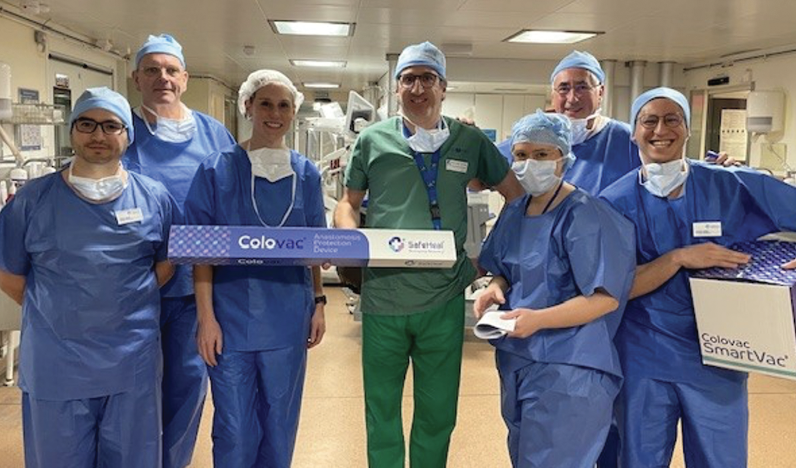
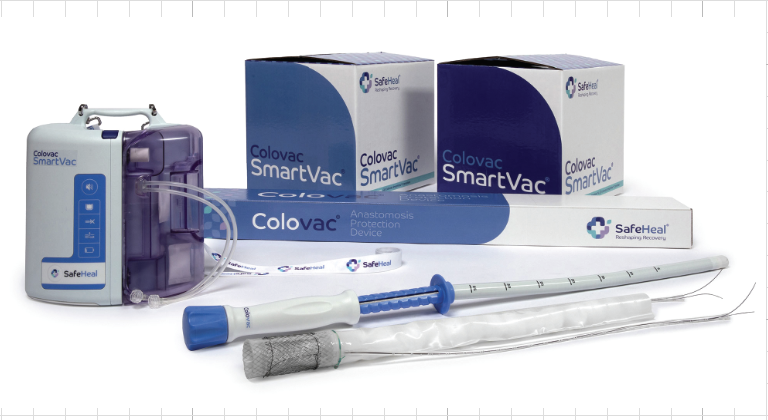
PARIS, France/Tampa, FL – SafeHeal®, a leading innovator in the field of colorectal cancer surgery, today announced the first patient enrollment in its pivotal IDE study of Colovac®, a groundbreaking endoluminal bypass sheath. Colovac® is intended as an alternative to a temporary diverting ostomy for patients undergoing colorectal resection. Up to 20 U.S. and European sites will enroll patients in the SAFE-3CV study led by Principal Investigator Patricia Sylla, MD, and EU Principal Investigator Prof. Jérémie Lefevre, which is expected to complete enrollment by late 2026. SAFE-3CV serves as the final phase of a comprehensive study for U.S. market approval and EU post-market surveillance. This two-phase study will enroll up to 252 patients to compare the safety and efficacy of the Colovac® device to the previously collected control data on patients who received the standard-of-care diverting ostomy procedure. 

Hôpital Saint-Antoine (AP-HP), Sorbonne Université, Paris, France, under the direction of Prof. Jérémie Lefevre, successfully enrolled the SAFE-3CV study’s first patient.  Prof. Lefevre has extensive experience with the Colovac® device as a co-leader of recent studies conducted in the U.S., Europe, and Asia, where Colovac® has demonstrated favorable safety and efficacy as an alternative to ostomy.  Based on these prior studies, in August 2025, Colovac® was granted European Union marketing approval under the new Medical Device Regulation (EU MDR 2017/745, Medical Devices, Annex IX Chapter I).

“The current standard-of-care, the use of a diverting stoma, places a significant burden on the patient in terms of associated physical complications, lifestyle compromises, and an extended recovery period,” said Prof. Lefevre. “We welcome Colovac’s potential to offer a less-invasive alternative to a stoma, and we are excited to generate additional evidence behind this innovation.” 

As the current standard of care for the surgical treatment of rectal cancer, a diverting ostomy is applied prophylactically to most patients today undergoing a low anterior resection (LAR) and a low anastomosis. The ostomy temporarily diverts the stool away from the healing anastomosis to the outside of the body and into an ostomy bag. In most cases, the ostomy is needed only until the anastomosis has healed, and can then be reversed, typically after 2-6 months. The eventual reversal of the ostomy requires another operation, with a second hospital stay, recovery period and associated complications. In some cases, the ostomy may not be reversed and becomes permanent. In addition to the potential surgical complications associated with ostomy procedures, patients may experience a negative impact on their quality of life due to social isolation, reduced physical activity and/or intimacy issues.

Colovac® is designed to eliminate the need for a temporary stoma in most patients. It aims to improve patient recovery and quality of life by eliminating stoma-related complications, including permanent stoma, and eliminating the physical and emotional burden associated with stoma management and care.

“We are proud to partner with world-class clinicians like Prof. Lefevre and Dr. Sylla to build upon SafeHeal’s already impressive body of evidence, as we drive toward FDA marketing approval of Colovac,” said Chris Richardson, President & CEO of SafeHeal®. “We look forward to making the clinical and economic benefits of this technology available to U.S. patients and providers in the very near future.”

Successful completion of the SAFE-3CV study is the final step in the path to U.S. Food and Drug Administration (FDA) approval and U.S. commercialization of the Colovac® device. The FDA has already granted the product Breakthrough Device designation. Breakthrough Device designation is granted to novel products and provides expedited review of innovative technologies that can improve the lives of people with life-threatening or irreversibly debilitating diseases or conditions.

ABOUT SAFEHEAL®

SafeHeal SAS, headquartered in Paris, France, and its wholly owned U.S. subsidiary, SafeHeal Inc., is a medical device company developing Colovac®, a device intended as an alternative to diverting ostomy in patients undergoing colorectal surgery. Colovac® is a flexible endoluminal bypass sheath designed to reduce the contact of fecal content at the anastomotic site following colorectal surgery. The device is placed endoluminally and remains in place for approximately 10 days, until the body’s natural healing and tissue repair processes are complete, after which it is removed during an endoscopic procedure without the need for a second surgical intervention.

Colovac® enables patients to resume their normal life without the stigma and complications associated with an ostomy procedure. In the U.S., Colovac® is limited by Federal law to investigational use and not currently available for sale.

For more information, please visit:

 www.safeheal.com

Download Tables, Images & References

From the Pediatric Literature

Congenital Hepatic Hemangiomas in Children

Read Article

Most hepatic hemangiomas in infants are benign and are typically divided into two groups: 1) focal hepatic hemangiomas which are congenital and limited in size and 2) infantile hepatic hemangiomas which are diffuse in nature. The authors of this study evaluated the clinical course of infantile hepatic hemangiomas over time. The study used a patient database which included all patients diagnosed with congenital hepatic hemangiomas from 2004 to 2022. Data for the study included initial age at presentation, presence of anemia or thrombocytopenia, and an analysis of all radiographic images involving the hepatic hemangiomas over time.

A total of 96 infants in the patient database with hepatic congenital hemangiomas were studied. An equal number of male and female infants were present, and the patient group had a median gestational age of 37 weeks. Anemia was present in 48% of infants, and thrombocytopenia was present in 57% of infants. There was a significant statistical relationship between increasing infantile hepatic hemangioma size and risk of anemia and thrombocytopenia. Only 11% of infants had cutaneous hemangiomas, and no patient developed hypothyroidism in relation to their hepatic hemangioma.

Congenital hepatic hemangiomas were detected prenatally in approximately one third of infants in which ultrasound imaging detected lesions between 18 to 37 weeks gestation. Such initial prenatal lesions were noted to be single and hypervascular. Often these lesions continued to grow in the prenatal period with 24% of patients developing arterial or venous shunting. 

In patients who had serial hepatic hemangioma imaging (47 patients), a residual hemangioma volume of 43% was present at 12 months while a residual volume of 16% was present at 24 months. Medical intervention did not change the rate of hemangioma involution. Biopsy specimens were available for 16 patients, and 13 of these biopsy specimens demonstrated a rapidly involuting congenital hemangioma. The other three patients had either partially involuting congenital hemangiomas or non-involuting congenital hemangiomas.

In patients who had data available, 46% of patients with congenital hepatic hemangiomas underwent medical therapy for which the most common therapies were corticosteroids (34%) and propranolol (31%). A total of nine patients underwent procedural therapy which included embolization, surgical resection, embolization /surgical resection, and embolization/liver transplantation. Extra-hepatic complications associated with this disorder included cardiomegaly (31%), heart failure (23%), and respiratory failure (23%). Although cardiac dysfunction was not significantly associated with hemangioma size, there was a significant correlation between hemangioma size and risk of respiratory failure. The mortality rate in this study was 4% because of hemorrhagic shock, sepsis, or complications of prematurity.

This study provides insight into the natural history of congenital hepatic hemangiomas. Most infants seem to tolerate this disorder with involution of hemangiomas over time. However, some infants with congenital hepatic hemangiomas can have lift-threatening consequences which should be considered early in the care of such children.

Ostertag-Hill C, Fevurly R, Kulungowski A, Christison-Lagay E, McGuire A, Rialon K, Duggan E, Murillo R, Zurakowski D, Staffa S, Alomari A, Kozakewich H, Al-Ibraheemi A, Fishman S, Dickie B. The natural history of congenital hepatic hemangiomas. Journal of Pediatrics 2025; doi: 10.1016/j.jpeds.2025.114523. Online ahead of print.

Infant Colic and Atopy

Infant colic is characterized by excessive crying and irritability and is a common cause of clinic visits to both general pediatricians and pediatric gastroenterologists. Proposed causes of colic have included functional, neurological, allergic, migraine-related, or potential dysbiosis components. The authors of this study previously determined that risk factors such as prematurity, low birth weight, first born status, and maternal factors (atopy, severe nausea during pregnancy, and postpartum depression) may lead to infant colic. These risk factors led the authors to study if infant colic is associated with an increased long-term risk of atopy or respiratory symptoms as these children become older.

Data for this study was obtained from Project Viva which evaluates the long-term health of mother-infant pairs in eastern Massachusetts. Mothers were recruited between 1999 and 2002 before their 22nd week of pregnancy. Research visits to obtain clinical information were performed at the second and third trimester of pregnancy as well as several time points including: just after delivery or during infancy, toddler years, early childhood, middle childhood, early adolescence, and middle adolescence. A total of 1249 infants had data available for potential colic and excessive crying symptoms. These infants also had long-term data for the following symptoms: allergic rhinitis, reactive airway disease, and respiratory infections. Maternal information included education history, smoking history, marital status, income, number of prior births, use of oral antibiotics during pregnancy, and atopy of the mother and her partner.  Infant data consisted of sex, mode of delivery, and infant feeding method.

Infant colic was present in 320 infants (26%) and excessive crying was present in 118 infants (9%). Infants with colic were statistically more likely to be of white ethnicity, have a history of prematurity, be born to a nulliparous mother, and be born to a mother with a history of atopy. The presence of eczema at all childhood time points was increased in patients who had a history of colic or excessive crying compared to children with no history of such symptoms, but this increase was not statistically significant except at follow up during middle childhood (median 7.7 years). Children with allergic rhinitis had an increased risk of colic during infancy, but the increase was only significant during the follow-up periods of early childhood (median 3.1 years) and middle childhood. Children with excessive crying as infants also were noted to have an increased risk of allergic rhinitis as they became older, but the risk was not statistically significant. Children in the age range of middle childhood and middle adolescence (median 17.5 years) had a higher risk of reactive airway disease if they had colic as infants although no such relationship was seen between colic and reactive airway disease in the other age ranges as well as with excessive crying and all age ranges. Respiratory infections in the age range of the toddler years (median 2.1 years), early childhood, and middle adolescence had a higher relative risk of respiratory infections if they had colic as infants although no such effect was seen between colic and the other age ranges as well as with excessive crying during infancy and all age ranges. Children with a history of colic were more likely to have more than one atopic disorder long term compared to children with no history of colic although no such effect was present in children with a history of excessive crying during infancy.

This study suggests that infant colic symptoms may be a marker of future atopic disease. Perhaps colic is associated with infant atopic symptoms which become more obvious as children become older.

Switkowski K, Oken E, Simonin E, Nadeau K, Rifas-Shiman S, Lightdale J. Associations of infant colic and excessive crying with atopic outcomes in childhood and adolescence. Journal of Pediatrics 2025; 283: 114623

Ondansetron Use in the Setting
of Pediatric Gastroenteritis

Acute gastroenteritis (AGE) is a frequent reason that children present to the emergency department (ED). Besides utilization of intravenous fluid, ondansetron can reduce both nausea and emesis symptoms while such children are being seen in the ED. The authors of this study evaluated the utility of ondansetron continuing into the outpatient setting for children initially presenting to the ED with AGE.

This study was a double-blind, placebo-controlled randomized study that occurred at six pediatric EDs in Canada. Children from 6 months to less than 18 years of age were enrolled in the study if that had AGE defined as at least 3 emesis episodes in the 24 hours prior to study enrollment, emesis or diarrhea at least 72 hours before enrollment, and emesis 6 hours before enrollment. All enrolled patients received ondansetron in the ED. These study patients were randomized with patients receiving ondansetron or placebo for a total of 6 doses at time of ED discharge. Besides collecting basic patient data, patient AGE severity was defined by using a modified Vesikari scale (range 0 – 20) in which a higher score on the scale was associated with more severe AGE.

The study occurred over an approximately 5-year period, and 517 patients received ondansetron while 512 patients received placebo.  Baseline characteristics were the same between the two groups. Post enrollment scores of children with AGE demonstrated that Vesikari scores of 9 or higher were lower in the ondansetron group compared to the placebo group (unadjusted risk difference, −7.4 percentage points, 95% confidence interval, −11.2 to −3.7). A linear regression model demonstrated less AGE symptoms for patients using ondansetron after leaving the ED (adjusted odds ratio, 0.50, 95% confidence interval 0.40 to 0.60 and risk difference, −6.6 percentage points, 95% confidence interval, −10.9 to −2.3). A multivariable analysis demonstrated that patients taking ondansetron had a decreased risk of having a Vesikari score of 9 or higher (adjusted odds ratio, 0.46, 95% confidence interval, 0.27 to 0.78). Although both study groups had equal numbers of patients who had emesis during the study, the patients who received ondansetron had significantly a smaller number of emesis episodes. Interestingly, the percentage of children who had unscheduled medical visits within 7 days after study enrollment as well as the percentage of children who required intravenous fluid within 7 days after study enrollment was not statistically significant between groups.

This study demonstrates that sending pediatric patients home with a limited number of ondansetron doses after being seen in the ED for AGE may be beneficial in reducing gastrointestinal symptoms.  The authors of the study noted that no patient developed symptoms of QT prolongation after being sent home on ondansetron, and it is always prudent to send children home with only limited amounts of this medication to prevent this side effect.

Freedman S, Williamson-Urquhart S, Plint A, Dixon A, Beer D, Joubert G, Pechlivanoglou P, Finkelstein Y, Heath A, Zhang J, Wallace A, Offringa M, Klassen T, and the Pediatric Emergency Research Canada Innovative Clinical Trials Study Group. The New England Journal of Medicine 2025; 393: 255-266.

Autoimmune Hepatitis
Treatment Outcomes in Children

Autoimmune hepatitis (AIH) in children is a progressive and destructive autoimmune disease of the liver which can be fatal. Treatment of pediatric AIH often consists of two regimens: 1) prednisolone with possible addition of azathioprine or 2) tacrolimus (a calcineurin inhibitor). The authors of this study compared the efficacy of these two treatments. 

This retrospective study occurred using data from 5 European medical centers in which children with AIH were studied over a 13-year period (2005-2018). Children included in the study were younger than 18 years of age, had liver biopsies obtained within 6 months of therapy, and had at least 2 years of follow-up care. Initial patient data and follow-up data at 3, 6, and 12 months on therapy were analyzed. Four medical centers utilized prednisolone starting at 1-2 mg/kg/day with azathioprine at 1-2 mg/kg/day either added or not added after 14 days of AIH diagnosis. Prednisolone weaning was guided by the treating physician. The fifth medical center used tacrolimus at a dose starting at 0.025-0.050 mg/kg/day in order to obtain a tacrolimus trough of 3-6 ng/mL with the addition of prednisolone (10-20mg daily) at the discretion of the treating physician. Chart review occurred to evaluate for the presence of other medical disorders, AIH parameters (autoantibodies, liver biopsy results), and the presence of any imaging (ultrasound or magnetic resonance cholangiopancreatography (MRCP)).

A total of 157 children with AIH were included in the study, and all children still had their native liver one year after diagnosis. Therapeutic options consisted of prednisolone with possible azathioprine in 111 patients and tacrolimus therapy with possible prednisolone occurring in 46 children. The children treated with prednisolone and possible azathioprine were statistically more likely to have other autoimmune diseases and higher platelet counts. The children treated with tacrolimus and possible prednisolone were statistically more likely to higher Metavir fibrosis scores, have higher bilirubin levels, and have more esophageal varices at diagnosis. A total of 12 children (six patients in each group) had a diagnosis of acute liver failure with an INR greater or equal to 2, and such patients all had eventual response to therapy.

Liver histology confirmed AIH in 112 children, and 41 of these children had biliary involvement. Seven of the 41 children with biliary involvement did not have associated autoimmune sclerosing cholangitis. MRCP testing occurred in 105 children (67%) within the first year of therapy.  Statistically more children undergoing therapy with prednisolone and possible azathioprine underwent MRCP. MRCP diagnosed autoimmune sclerosing cholangitis in 42 children with 23 patients having combined large and small duct disease.

Autoantibody testing was positive in 148 patients (94%) and elevated IgG serum levels were present in 125 patients (85%). The most common autoantibody detected was anti-smooth muscle actin antibody occurring in 117 patients. Most patients had high rates of advanced fibrosis/cirrhosis as noted by a Metavir score of 3 or 4 in 46% of patients, and advanced fibrosis/cirrhosis was significantly higher in the patient group treated with tacrolimus and possible prednisolone.

Only one child in the entire patient group did not experience lowering serum alanine aminotransferase (ALT) levels by 6 months of therapy. ALT normalization took a statistically longer time in the patient group receiving tacrolimus with possible prednisolone compared to the prednisolone group with possible azathioprine use at both 3 months (26.8% versus 58% normalization) and 6 months (46.2% versus 68.8% normalization). However, there was no significant difference in normalization at 12 months between the two treatment groups. Serum IgG levels took longer to normalize in patients receiving tacrolimus with possible prednisolone compared to the prednisolone group with possible azathioprine use at 3 months, 6 months, and 12 months although the normalization time was not consistently statistically significant at 3 months and 12 months. No significant difference in Z-scores for height and weight was present between the two treatment groups during the study. The number of children eventually not requiring prednisolone was higher in the group receiving tacrolimus compared to the prednisolone group with possible azathioprine use. However, this finding makes sense as the latter group received prednisolone initially.

This study suggests that starting tacrolimus for pediatric patients with AIH may be preferable as less steroid use may be needed. This study is retrospective only, and large multi-national prospective studies in the treatment of pediatric AIH are very much needed.

Jorgensen M, Almaas R, Kharrazi G, Urbonas V, Kvistgaard H, Wollen E, Andreassen B, Casswall T, Fischler B. Various regimens for autoimmune hepatitis in northern European children show equivalent outcomes at 1 year: a retrospective study. Journal of Pediatrics 2025; 284: 114635

GI Outcomes After Pediatric Malrotation Repair

Intestinal malrotation in children is a surgical emergency if a resultant intestinal volvulus occurs. The Ladd procedure is a surgical technique to prevent complications from a potential volvulus. However, it is unclear what gastrointestinal (GI) symptoms occur long term in pediatric patients with malrotation after the Ladd procedure. The authors of this study attempted to answer this question using the TriNetX Research Network which contains de-identified patient data from electronic medical records as well as other sources. Using a database of 130 million patients, this retrospective matched cohort study compared pediatric patients with a history of malrotation repair to a control group of general pediatric patients. Patients were matched by sex, race, age, and ethnicity. GI symptoms were determined using International Classification of Diseases, 10th Revision, Clinical Modification (ICD-10-CM) codes. Patients were evaluated at 1 to 5 years post-surgery and 3 to 5 years post-surgery.

A total of 354 patients with a history of intestinal malrotation status post repair were matched to 354 control patients. There was no significant difference in patient demographics across the two groups. At both 1 to 5 post surgery or years 3 to 5 post surgery, patients with a history of intestinal malrotation repair were statistically more likely to have GI symptoms of constipation, diarrhea, abdominal pain, gastroesophageal reflux disease, nausea, and emesis.

This study suggests that GI symptoms may be persistent in patients even after malrotation surgical repair, and these results seem to differ with prior research showing that GI symptoms generally resolve after a Ladd procedure. Perhaps this patient group has an increase in functional GI symptoms in the setting malrotation repair. More research is now needed to determine if this patient group is at a higher risk of mucosal GI disease long term which could include celiac disease, erosive esophagitis, gastritis, and other related disorders.

Corcoran K, Martinez S, Tsikis S, Al-Mamun M, Intestinal Malrotation Clinical Group. Long-term gastrointestinal outcomes in pediatric intestinal malrotation patients following operative treatment. Journal of Pediatric Gastroenterology and Nutrition 2025; online ahead of print (DOI: 10.1002/jpn3.70204)

Download Tables, Images & References

FRONTIERS IN ENDOSCOPY, SERIES #102

Electrohydraulic Lithotripsy for Biliary and Pancreatic Stones

Read Article

Electrohydraulic lithotripsy (EHL) has emerged as a vital adjunct to endoscopic retrograde cholangiopancreatography (ERCP), providing an effective means of fragmenting large, impacted, or otherwise difficult-to-extract stones within the pancreatic and biliary ducts. This review integrates current evidence and technical considerations, with emphasis on clinical application by outlining the indications for EHL, strategies to optimize procedural safety, and its role in relation to mechanical lithotripsy, laser lithotripsy, and extracorporeal shock wave lithotripsy (ESWL).

Background

Electrohydraulic lithotripsy (EHL) is a critical adjunct to endoscopic retrograde cholangiopancreatography (ERCP) for the fragmentation of large, impacted, or otherwise difficult-to-remove pancreatic and biliary stones.,,,, The technology generates microsecond-duration spark discharges at the probe tip that create cavitation bubbles, which collapse into high-pressure shock waves capable of fracturing mineralized concretions under direct vision., Over the past decade, integration of EHL with digital single-operator cholangioscopy has led to improved ductal clearance rates with acceptable adverse event rates in patients with difficult stones.,

Indications for EHL Biliary Stones

For most common bile duct (CBD) stones, standard ERCP techniques such as sphincterotomy with balloon or basket extraction, and, in selected cases, endoscopic papillary large-balloon dilation
(EPLBD), achieve ductal clearance in a single session.1,2 A subset of stones remains difficult to manage. EHL should be considered for stones ≥15–20 mm, those impacted proximal to a biliary stricture, intrahepatic calculi not amenable to standard techniques, and in patients where conventional extraction methods have proven unsuccessful.,,,,,,,, (Figure 1) When performed under direct cholangioscopic visualization, EHL allows precise fragmentation of stone surfaces and is particularly valuable in cases where conventional or mechanical lithotripsy has limited efficacy.3,6 Meta-analyses of cholangioscopy-guided lithotripsy consistently demonstrate technical success and ductal clearance rates of  ≥85–95%, with adverse event (AE) rates in the range of 8-10%, especially when performed under direct digital visualization.3,4 The most frequently reported AEs include cholangitis, post-procedural fever, and, less commonly, pancreatitis; most are mild and manageable with supportive care.3,4 The evidence suggests that EHL may be most effective when introduced earlier in the treatment course, rather than being deferred until after several unsuccessful ERCP attempts.12 Pooled data from Jin et al. and Amaral et al. similarly demonstrated ductal clearance consistently exceeding 90% with acceptable adverse event rates ranging between 8-12%.11,13 Recent systematic review by Manti et al. reported pooled ductal clearance rates of 90–94% with adverse event rates between 6–10%, confirming the efficacy of EHL in difficult biliary stones.

Pancreatic Duct Stones

In chronic calcific pancreatitis with obstructing main pancreatic duct stones, extracorporeal shock wave lithotripsy (ESWL) combined with ERCP continues to serve as the cornerstone of therapeutic management if stones cannot be removed via pancreatic sphincterotomy and balloon or basket extraction. Pancreatoscopy with intraductal lithotripsy (using either EHL or laser) has emerged as an effective second-line or alternative strategy, particularly in cases refractory to ESWL or when stones are concentrated in the head/neck adjacent to strictures.,,, (Figure 2) These locations are particularly amenable to intraductal therapy, as direct visualization permits targeted fragmentation of impacted stones, while adjunctive maneuvers such as stricture dilation and temporary stenting facilitate fragment clearance and ductal drainage.21,22,23,24

Systematic reviews have demonstrated high technical success rates and significant improvements in pain outcomes with this approach, with most adverse events related to mild post-ERCP pancreatitis.23,24 Multicenter data from Gutierrez et al. demonstrated clearance rates > 95 % with low adverse event rates (< 5 %), confirming the safety and efficacy of digital cholangioscopy-guided lithotripsy in complex biliary stone disease.8 These findings support the use of pancreatoscopy with intraductal lithotripsy as a salvage therapy following failed ESWL and as a potential first-line option in patients whose anatomy or clinical profile favors direct intraductal intervention.21,22,23,24

Set-up and Technique

Access and Visualization

For biliary stones, digital single-operator cholangioscopy performed in the context of ERCP offers a stable platform for targeted lithotripsy and subsequent stone retrieval. Adequate irrigation is essential to maintain a clear visual field, as rapid accumulation of debris can obscure visualization and potentially increase intraductal pressure.5,6

For pancreatic stones, pancreatoscopy with intraductal lithotripsy requires careful advancement of the pancreatoscope to the level of the target stone to ensure stable positioning and safe energy delivery. This may include passage of the pancreatoscope across strictures, which may be technically challenging.22 In many cases, pre-dilation and temporary stent placement are required to facilitate passage of the scope through strictures to reach offending stones before EHL can even commence.3,22 

Probe Selection and Energy Settings

Modern electrohydraulic lithotripsy (EHL) probes (1.9–2.5 Fr) are compatible with the working channel of digital single-operator cholangioscopy platforms, which can be applied for both biliary and pancreatic duct interventions. The commercially available electrohydraulic lithotripsy (EHL) probes used in gastrointestinal (GI) endoscopy are typically 1.9 French (F) and 3 French (F) in size, with vendors including Boston Scientific Autolith Touch Biliary EHL system and Walz Elektronik (Germany). These probes are designed for use through the working channel of cholangioscopes or pancreatoscopes during ERCP or direct peroral cholangioscopy and are compatible with both single-operator and mother-baby endoscopic systems.27 Direct peroral cholangioscopy using multibending ultra slim endoscopes has further expanded therapeutic access to difficult bile duct stones. The 1.9F probe is most commonly used due to its compatibility with the narrow working channels of digital cholangioscopes (e.g., SpyGlass DS), while the 2.5F probe is used in larger-caliber scopes or for intraoperative applications.27 Some suggest that power and frequency should be set at low-to-moderate levels, with stepwise escalation only as needed to gradually fragment the stone while limiting the risk of injury to the ductal wall, but in practice settings are left to the discretion of the operator.27 Safe use requires frequent probe repositioning and delivery of short, focused bursts to the stone surface rather than the surrounding mucosa.5,6

EHL probes have a limited life span, which is proportional to the potency chosen during the procedure. The American Society for Gastrointestinal Endoscopy, in its most recent guideline, does not specify an exact number of shocks or procedures per probe, but clinical studies referenced in the guideline and in the broader literature support the practical approach of monitoring probe function and replacing the probe when performance declines and/or failure occurs.

Irrigation Strategy

Continuous irrigation is necessary to dissipate heat, clear debris, and effectively transmit shock waves to target stones.26 Liberal intermittent suction is recommended by some authors to reduce intraductal pressure, as high-pressure irrigation may increase the risk of cholangitis and post-procedural fever. Evidence regarding prophylactic antibiotics is inconclusive, with large studies showing limited overall benefit, although in general they are given to patients. Nevertheless, prophylaxis is indicated in specific contexts, including obstructed systems, primary sclerosing cholangitis, and procedures requiring prolonged intraductal manipulation.32

Fragment Clearance

Following stone fragmentation, meticulous duct clearance is performed using balloons and retrieval baskets, while endoscopic papillary large balloon dilation (EPLBD) may be employed to expedite fragment removal when appropriate.16,17 Cholangioscopy facilitates identification of residual stones or stone fragments that may have been overlooked on occlusion cholangiography; therefore, a final direct inspection is often performed prior to confirming complete ductal clearance.15

Outcomes and Comparative Effectiveness

Cholangioscopy-guided EHL vs conventional ERCP in Biliary Stone Management

Randomized trials demonstrate that cholangioscopy‑guided lithotripsy improves single‑session clearance and reduces the need for crossover to other rescue modalities (e.g., mechanical lithotripsy, repeat ERCP, or surgical intervention).18 This advantage derives from direct intraductal visualization, which allows targeted fragmentation of difficult stones while minimizing the need for multiple procedures.3 Several meta-analyses support these findings, showing high technical success rates and acceptable adverse event profiles when EHL is used earlier in the treatment course.3,13 Korrapati et al. similarly reported ductal clearance rate of 88%, with an adverse event rate of 7%.4

Comparative Role of Mechanical, Laser, and Electrohydraulic Lithotripsy

Mechanical lithotripsy works by capturing the stone with a basket and fracturing it, which often allows immediate extraction.2 In contrast, EHL and laser lithotripsy use energy-based fragmentation to break stones into smaller pieces that typically require balloon or basket extraction for clearance.2 Mechanical lithotripsy remains the most established rescue modality for large or impacted bile duct stones, valued for its technical simplicity, low cost, and widespread availability. Mechanical lithotripsy achieves clearance in more than 85% of cases involving stones ≤15–20 mm. In contrast, success rates decline markedly when stones are very large, heavily calcified, or located intrahepatically, where basket capture may be difficult and/or incomplete.18

Laser lithotripsy has emerged as a highly effective alternative, particularly when combined with digital single-operator cholangioscopy.10,12 It achieves high ductal clearance through precise photothermal fragmentation under direct visualization, with excellent fragmentation efficiency; pooled data suggest that in some series it may outperform EHL.10,12 Its drawbacks include high equipment costs, requirement for specialized staff training, need for laser certification, and limited availability in many centers. 

EHL occupies an intermediate position when compared to laser lithotripsy: it is broadly accessible, compatible with existing single-operator cholangioscopy platforms, and consistently achieves ductal clearance with low adverse event rates.8,10 Veld et al. found comparable safety between EHL and laser, with fragmentation efficiency numerically favoring laser, while overall clearance remained high for both technologies.10 Amaral et al. directly compared EHL with laser lithotripsy and confirmed both to be safe, with no significant difference in AE profile.11

Pancreatoscopy with Intraductal Lithotripsy vs. ESWL

Pancreatoscopy with intraductal lithotripsy has demonstrated high technical and clinical success in patients with pancreatic duct stones, resulting in significant pain relief, with AE rates comparable to other ERCP-based therapies such as balloon or basket extraction, mechanical lithotripsy, and stenting.22 Comparative studies suggest that pancreatoscopy with intraductal lithotripsy may serve as a reasonable alternative to ESWL-first strategies, particularly when stone location, ductal strictures, or other anatomic factors favor direct intraductal therapy.22,23 Careful multidisciplinary case selection and the use of staged stenting remain important to optimize safety and outcomes.21,23 Staged stenting refers to the sequential placement of one or more temporary pancreatic duct stents, often upsized over multiple procedures, to facilitate ductal decompression, maintain drainage, and reduce the risk of procedure-related complications before or after intraductal lithotripsy. Systematic reviews by Huang et al. reported technical success rates of 90%.24 Van der Weil et al. noted more than 50 % decrease in pain score or reduction in opioid usage at 6 months of follow-up.22 Meta-analysis by Guzmán-Calderón et al. also demonstrated a pooled technical success rate of 91% and overall adverse event rates of  approximately 12%, the majority of which were mild and self-limited.

Adverse Events Related to Cholangioscopy-Guided Lithotripsy

Meta-analyses of cholangioscopy-guided lithotripsy report overall AE rates of approximately 7%, most often transient fever or cholangitis, with the majority classified as mild.19 For pancreatoscopy with intraductal lithotripsy, pooled analyses show overall AE rates of 12%, again largely mild and self-limited, with post-ERCP pancreatitis (PEP) the most common event.22,23 Severe adverse events are uncommon but have been described, including cholangitis with sepsis (2-4%) and perforation (1%).4,

Troubleshooting and Special Scenarios

Impacted Proximal/Hilar Stones and Intrahepatic Bile Duct Stones

Impacted proximal/hilar and intrahepatic stones are particularly challenging because conventional balloon or basket extraction is often unsuccessful, owing to their location and the limited maneuverability of the balloon and extraction basket. In such cases, the strategy involves using a lithotripsy probe to debulk the central portion of the stone first, creating space for subsequent peripheral fragmentation.9 Prior and recent studies confirm the feasibility of EHL for intrahepatic stones, although multiple staged sessions may be required to achieve complete clearance.9

Cystic-duct Stones and Mirizzi Syndrome

Cystic-duct stones and Mirizzi syndrome are technically demanding scenarios where conventional ERCP often fails because of the angulated cystic-duct takeoff and stone impaction. Mirizzi syndrome is defined as extrinsic compression of the common hepatic duct by an impacted stone in the cystic duct or gallbladder. Patients with Mirizzi syndrome may also have cholecysto-choledocho fistulas, complicating matters significantly. Cholangioscopy-guided EHL provides a valuable alternative to surgical intervention, enabling targeted fragmentation and clearance of stones in patients who might otherwise require cholecystectomy or complex biliary reconstruction.40 Pawa et al. reported 21 patients with cystic-duct stones managed with cholangioscopy-guided EHL, achieving 87% clearance with adverse events in 7%, limited to mild post-ERCP pancreatitis and transient fever.40 Despite these successes, repeat sessions are frequently required.40 Adjunctive balloon or basket extraction is necessary for fragment clearance after lithotripsy.16,17 Temporary stenting has also been described as an important adjunct to maintain drainage and reduce the risk of recurrent obstruction between procedures.21,22,23,24

Altered Anatomy or Enteroscopy-Assisted ERCP

EHL can be performed during device-assisted ERCP in patients with surgically altered anatomy, including those with Roux-en-Y gastric bypass, Billroth II gastrectomy, or hepaticojejunostomy. In these settings, an enteroscope is often required to access the biliary-enteric anastomosis or the papilla, but the long length and narrow working channel of the enteroscope impose technical limitations that can restrict accessory use and fragment retrieval.42

Pancreatic Duct Strictures

Pre-dilation of high-grade strictures and staged pancreatic duct stenting can facilitate pancreatoscope passage and fragment clearance in patients with pancreatic duct stones upstream of pancreatic duct strictures.23 This strategy often involves sequential stent exchanges with gradual upsizing to “remodel” the stricture, decompress the duct, and permit easier reintroduction of the pancreatoscope during subsequent sessions.36 Temporary stenting also helps reduce the risk of procedure-related pancreatitis by maintaining drainage between interventions.36 In the head and neck of the pancreas, where the duct is more tortuous and mucosal surfaces are thin, short and controlled EHL bursts with continuous irrigation are strongly recommended to optimize visualization and minimize the risk of thermal or mechanical injury.31 Careful irrigation control is particularly important in these regions, as excessive fluid infusion can elevate intraductal pressure and increase the risk of post-ERCP pancreatitis.31

Conclusions

Electrohydraulic lithotripsy (EHL) is an effective option for the management of difficult biliary and pancreatic duct stones. Evidence supports its role both as a rescue therapy and as an early option when conventional ERCP is unlikely to achieve clearance. Cholangioscopy-guided EHL achieves high success rates with mostly mild, manageable adverse events. Pancreatoscopy with intraductal lithotripsy is a useful option for pancreatic stones, offering an alternative to ESWL in patients refractory to standard treatment strategies. EHL occupies a middle ground among intraductal therapies. It is more effective than mechanical lithotripsy in complex scenarios, less costly, more widely available than laser, and broadly compatible with existing endoscopic platforms. Its safety and efficacy depend on careful techniques, including direct visualization, controlled irrigation, conservative energy use, and staged procedure when needed. EHL offers a reliable and accessible option for complex stone disease, with ongoing studies continuing to clarify its role within advanced endoscopic practice.  

References

1. ASGE Standards of Practice Committee; Buxbaum JL,
Abbas Fehmi SM, Sultan S, Fishman DS, Qumseya BJ,
Cortessis VK, Schilperoort H, Kysh L, Matsuoka L,
Yachimski P, Agrawal D, Gurudu SR, Jamil LH, Jue TL,
Khashab MA, Law JK, Lee JK, Naveed M, Sawhney MS,
Thosani N, Yang J, Wani SB. ASGE guideline on the role
of endoscopy in the evaluation and management of choledocholithiasis.
Gastrointest Endosc. 2019 Jun;89(6):1075-
1105.e15. doi: 10.1016/j.gie.2018.10.001. Epub 2019 Apr 9.
PMID: 30979521; PMCID: PMC8594622.
2. Manes G, Paspatis G, Aabakken L, Anderloni A, Arvanitakis
M, Ah-Soune P, Barthet M, Domagk D, Dumonceau JM,
Gigot JF, Hritz I, Karamanolis G, Laghi A, Mariani A,
Paraskeva K, Pohl J, Ponchon T, Swahn F, Ter Steege
RWF, Tringali A, Vezakis A, Williams EJ, van Hooft JE.
Endoscopic management of common bile duct stones:
European Society of Gastrointestinal Endoscopy (ESGE)
guideline. Endoscopy. 2019 May;51(5):472-491. doi:
10.1055/a-0862-0346. Epub 2019 Apr 3. PMID: 30943551.
3. McCarty TR, Gulati R, Rustagi T. Efficacy and safety of
peroral cholangioscopy with intraductal lithotripsy for difficult
biliary stones: a systematic review and meta-analysis.
Endoscopy. 2021 Feb;53(2):110-122. doi: 10.1055/a-1200-
8064. Epub 2020 Oct 5. PMID: 32544959.
4. Korrapati P, Ciolino J, Wani S, Shah J, Watson R, Muthusamy
VR, Klapman J, Komanduri S. The efficacy of peroral cholangioscopy
for difficult bile duct stones and indeterminate
strictures: a systematic review and meta-analysis. Endosc Int
Open. 2016 Mar;4(3):E263-75. doi: 10.1055/s-0042-100194.
Epub 2016 Feb 4. PMID: 27004242; PMCID: PMC4798839.
5. Nakai Y, Sato T, Hakuta R, Ishigaki K, Saito K, Saito T,
Takahara N, Hamada T, Mizuno S, Kogure H, Tada M,
Isayama H, Koike K. Management of Difficult Bile Duct
Stones by Large Balloon, Cholangioscopy, Enteroscopy
and Endosonography. Gut Liver. 2020 May 15;14(3):297-
305. doi: 10.5009/gnl19157. PMID: 31581389; PMCID:
PMC7234877.
6. Subhash A, Buxbaum JL, Tabibian JH. Peroral cholangioscopy:
Update on the state-of-the-art. World J Gastrointest
Endosc. 2022 Feb 16;14(2):63-76. doi: 10.4253/wjge.v14.
i2.63. PMID: 35316979; PMCID: PMC8908329.
7. ASGE Technology Committee; Watson RR, Parsi MA,
Aslanian HR, Goodman AJ, Lichtenstein DR, Melson J,
Navaneethan U, Pannala R, Sethi A, Sullivan SA, Thosani
NC, Trikudanathan G, Trindade AJ, Maple JT. Biliary
and pancreatic lithotripsy devices. VideoGIE. 2018 Sep
26;3(11):329-338. doi: 10.1016/j.vgie.2018.07.010. PMID:
30402576; PMCID: PMC6205352.
8. Brewer Gutierrez OI, Bekkali NLH, Raijman I, Sturgess
R, Sejpal DV, Aridi HD, Sherman S, Shah RJ, Kwon RS,
Buxbaum JL, Zulli C, Wassef W, Adler DG, Kushnir V,
Wang AY, Krishnan K, Kaul V, Tzimas D, DiMaio CJ, Ho S,
Petersen B, Moon JH, Elmunzer BJ, Webster GJM, Chen YI,
Dwyer LK, Inamdar S, Patrick VB, Attwell A, Hosmer A,
Ko C, Maurano A, Sarkar A, Taylor LJ, Gregory MH, Strand
DS, Raza A, Kothari S, Harris JP, Kumta NA, Manvar A,
Topazian MD, Lee YN, Spiceland CM, Trindade AJ, Bukhari
MA, Sanaei O, Ngamruengphong S, Khashab MA. Efficacy
and Safety of Digital Single-Operator Cholangioscopy for
Difficult Biliary Stones. Clin Gastroenterol Hepatol. 2018
Jun;16(6):918-926.e1. doi: 10.1016/j.cgh.2017.10.017. Epub
2017 Oct 24. PMID: 29074446.
9. Bokemeyer A, Gerges C, Lang D, Bettenworth D, Kabar
I, Schmidt H, Neuhaus H, Ullerich H, Lenze F, Beyna T.
Digital single-operator video cholangioscopy in treating
refractory biliary stones: a multicenter observational study.
Surg Endosc. 2020 May;34(5):1914-1922. doi: 10.1007/
s00464-019-06962-0. Epub 2019 Jul 15. PMID: 31309312.
10. Veld JV, van Huijgevoort NCM, Boermeester MA, Besselink
MG, van Delden OM, Fockens P, van Hooft JE. A systematic
review of advanced endoscopy-assisted lithotripsy
for retained biliary tract stones: laser, electrohydraulic or
extracorporeal shock wave. Endoscopy. 2018 Sep;50(9):896-
909. doi: 10.1055/a-0637-8806. Epub 2018 Jul 10. PMID:
29991072.
11. Amaral AC, Hussain WK, Han S. Cholangioscopy-guided
electrohydraulic lithotripsy versus laser lithotripsy for
the treatment of choledocholithiasis: a systematic review.
Scand J Gastroenterol. 2023 Jul-Dec;58(10):1213-1220.
doi: 10.1080/00365521.2023.2214657. Epub 2023 May 19.
PMID: 37203215.
12. Buxbaum J, Sahakian A, Ko C, Jayaram P, Lane C, Yu CY,
Kankotia R, Laine L. Randomized trial of cholangioscopyguided
laser lithotripsy versus conventional therapy for large
bile duct stones (with videos). Gastrointest Endosc. 2018
Apr;87(4):1050-1060. doi: 10.1016/j.gie.2017.08.021. Epub
2017 Sep 1. PMID: 28866457.
13. Jin Z, Wei Y, Tang X, Shen S, Yang J, Jin H, Zhang X.
Single-operator peroral cholangioscope in treating difficult
biliary stones: A systematic review and meta-analysis. Dig
Endosc. 2019 May;31(3):256-269. doi: 10.1111/den.13307.
Epub 2018 Dec 21. PMID: 30468534.
14. Beyna T, Farnik H, Sarrazin C, Gerges C, Neuhaus H,
Albert JG. Direct retrograde cholangioscopy with a new
prototype double-bending cholangioscope. Endoscopy. 2016
Oct;48(10):929-33. doi: 10.1055/s-0042-110395. Epub 2016
Jul 19. PMID: 27434769.
15 Sejpal DV, Trindade AJ, Lee C, Miller LS, Benias PC,
Inamdar S, Singh G, Stewart M, George BJ, Vegesna AK.
Digital cholangioscopy can detect residual biliary stones
missed by occlusion cholangiogram in ERCP: a prospective
tandem study. Endosc Int Open. 2019 Apr;7(4):E608-E614.
doi: 10.1055/a-0842-6450. Epub 2019 Apr 12. PMID:
30993165; PMCID: PMC6461551.
16. Arya N, Nelles SE, Haber GB, Kim YI, Kortan PK.
Electrohydraulic lithotripsy in 111 patients: a safe and
effective therapy for difficult bile duct stones. Am J
Gastroenterol. 2004 Dec;99(12):2330-4. doi: 10.1111/j.1572-
0241.2004.40251.x. PMID: 15571578.
17. Moon JH, Cha SW, Ryu CB, Kim YS, Hong SJ, Cheon YK,
Cho YD, Kim YS, Lee JS, Lee MS, Shim CS, Kim BS.
Endoscopic treatment of retained bile-duct stones by using
a balloon catheter for electrohydraulic lithotripsy without
cholangioscopy. Gastrointest Endosc. 2004 Oct;60(4):562-6.
doi: 10.1016/s0016-5107(04)02012-7. PMID: 15472679.
18 Angsuwatcharakon P, Kulpatcharapong S, Ridtitid W,
Boonmee C, Piyachaturawat P, Kongkam P, Pareesri W,
Rerknimitr R. Digital cholangioscopy-guided laser versus
mechanical lithotripsy for large bile duct stone removal after
failed papillary large-balloon dilation: a randomized study.
Endoscopy. 2019 Nov;51(11):1066-1073. doi: 10.1055/a-
0848-8373. Epub 2019 Feb 20. PMID: 30786315.
19. Manti M, Shah J, Papaefthymiou A, Facciorusso A, Ramai
D, Tziatzios G, Papadopoulos V, Paraskeva K, Papanikolaou
IS, Triantafyllou K, Arvanitakis M, Archibugi L, Vanella
G, Hollenbach M, Gkolfakis P. Endoscopic management
of difficult biliary stones: an evergreen issue. Medicina.
2024;60(2):340. doi:10.3390/medicina60020340.
20. Saghir SM, Mashiana HS, Mohan BP, Dhindsa BS, Dhaliwal
A, Chandan S, Bhogal N, Bhat I, Singh S, Adler DG. Efficacy
of pancreatoscopy for pancreatic duct stones: A systematic
review and meta-analysis. World J Gastroenterol. 2020
Sep 14;26(34):5207-5219. doi: 10.3748/wjg.v26.i34.5207.
PMID: 32982119; PMCID: PMC7495039.
21. Bekkali NL, Murray S, Johnson GJ, Bandula S, Amin Z,
Chapman MH, Pereira SP, Webster GJ. Pancreatoscopy-
Directed Electrohydraulic Lithotripsy for Pancreatic Ductal
Stones in Painful Chronic Pancreatitis Using SpyGlass.
Pancreas. 2017 Apr;46(4):528-530. doi: 10.1097/
MPA.0000000000000790. PMID: 28196019.
22. van der Wiel SE, Stassen PMC, Poley JW, De Jong DM,
de Jonge PJF, Bruno MJ. Pancreatoscopy-guided electrohydraulic
lithotripsy for the treatment of obstructive
pancreatic duct stones: a prospective consecutive case
series. Gastrointest Endosc. 2022 May;95(5):905-914.e2.
doi: 10.1016/j.gie.2021.11.047. Epub 2021 Dec 11. PMID:
34906545.
23. Hanada Y, Shah RJ. Pancreatoscopy-Guided Endotherapies
for Pancreatic Diseases. Gastrointest Endosc Clin N Am.
2024 Jul;34(3):417-431. doi: 10.1016/j.giec.2024.02.007.
Epub 2024 Apr 10. PMID: 38796290.
24. Huang P, Khizar H, Song W, Yang J. Pancreatoscopy-
Guided Lithotripsy for Pancreatic Duct Stones: A Systematic
Review and Meta-Analysis. Turk J Gastroenterol. 2024
Nov 1;35(11):811-821. doi: 10.5152/tjg.2024.24110. PMID:
39548977; PMCID: PMC11562744.
25. Minami H, Mukai S, Sofuni A, Tsuchiya T, Ishii K, Tanaka R,
Tonozuka R, Honjo M, Yamamoto K, Nagai K, Matsunami
Y, Asai Y, Kurosawa T, Kojima H, Homma T, Itoi T. Clinical
Outcomes of Digital Cholangioscopy-Guided Procedures
for the Diagnosis of Biliary Strictures and Treatment of
Difficult Bile Duct Stones: A Single-Center Large Cohort
Study. J Clin Med. 2021 Apr 12;10(8):1638. doi: 10.3390/
jcm10081638. PMID: 33921514; PMCID: PMC8069886.
26. Oh CH, Dong SH. Recent advances in the management of
difficult bile-duct stones: a focus on single-operator cholangioscopy-
guided lithotripsy. Korean J Intern Med. 2021
Mar;36(2):235-246. doi: 10.3904/kjim.2020.425. Epub 2020
Dec 1. PMID: 32972127; PMCID: PMC7969058.
27. Franzini TA, Moura RN, de Moura EG. Advances in
Therapeutic Cholangioscopy. Gastroenterol Res Pract.
2016;2016:5249152. doi: 10.1155/2016/5249152. Epub
2016 Jun 15. PMID: 27403156; PMCID: PMC4925961.
28. Lee WM, Moon JH, Lee YN, Shin IS, Lee TH, Yang
JK, Cha SW, Cho YD, Park SH. Utility of Direct Peroral
Cholangioscopy Using a Multibending Ultraslim Endoscope
for Difficult Common Bile Duct Stones. Gut Liver. 2022 Jul
15;16(4):599-605. doi: 10.5009/gnl210355. Epub 2022 Jan
7. PMID: 35000935; PMCID: PMC9289834.
29. Canena J, Lopes L, Fernandes J, Alexandrino G, Lourenço
L, Libânio D, Horta D, Giestas S, Reis J. Outcomes
of Single-Operator Cholangioscopy-Guided Lithotripsy
in Patients with Difficult Biliary and Pancreatic Stones.
GE Port J Gastroenterol. 2019 Mar;26(2):105-113. doi:
10.1159/000488508. Epub 2018 May 16. PMID: 30976615;
PMCID: PMC6454387.
30. Sheth SG, Machicado JD, Chhoda A, Chalhoub JM,
Forsmark C, Zyromski N, Sadeghirad B, Morgan RL,
Thosani NC, Thiruvengadam NR, Ruan W, Pawa S,
Ngamruengphong S, Marya NB, Kohli DR, Fujii-Lau LL,
Forbes N, Elhanafi SE, Desai M, Cosgrove N, Coelho-
Prabhu N, Amateau SK, Alipour O, Abidi W, Qumseya BJ;
ASGE Standards of Practice Committee Chair. American
Society for Gastrointestinal Endoscopy guideline on the role
of endoscopy in the management of chronic pancreatitis:
methodology and review of evidence. Gastrointest Endosc.
2025 Jan;101(1):e1-e53. doi: 10.1016/j.gie.2024.05.017.
Epub 2024 Sep 7. PMID: 39243238.
31. Takahashi K, Ohyama H, Takiguchi Y, Sekine Y, Toyama
S, Yamada N, Sugihara C, Kan M, Ouchi M, Nagashima
H, Iino Y, Kusakabe Y, Okitsu K, Ohno I, Kato N.
Efficacy and Safety of Electrohydraulic Lithotripsy Using
Peroral Cholangioscopy under Endoscopic Retrograde
Cholangiopancreatography Guidance in Older Adults: A
Single-Center Retrospective Study. Medicina (Kaunas).
2023 Apr 19;59(4):795. doi: 10.3390/medicina59040795.
PMID: 37109751; PMCID: PMC10142049.
32. Merchan MFS, de Moura DTH, de Oliveira GHP, Proença
IM, do Monte Junior ES, Ide E, Moll C, Sánchez-Luna
SA, Bernardo WM, de Moura EGH. Antibiotic prophylaxis
to prevent complications in endoscopic retrograde
cholangiopancreatography: A systematic review and metaanalysis
of randomized controlled trials. World J Gastrointest
Endosc. 2022 Nov 16;14(11):718-730. doi: 10.4253/wjge.
v14.i11.718. PMID: 36438881; PMCID: PMC9693690.
33. Syed, Imran & Hanif, Muhammad & Malik, Ahmad
& Aujla, Usman. (2023). Cholangioscope-Guided
Electrohydraulic Lithotripsy as a Rescue Technique for an
Impacted Dormia Basket With Large Common Bile Duct
Stone. ACG Case Reports Journal. 10. e00981. 10.14309/
crj.0000000000000981.
34. Chang WH, Chu CH, Wang TE, Chen MJ, Lin CC.
Outcome of simple use of mechanical lithotripsy of difficult
common bile duct stones. World J Gastroenterol. 2005
Jan 28;11(4):593-6. doi: 10.3748/wjg.v11.i4.593. PMID:
15641153; PMCID: PMC4250818.
35. Lowe A, Gabriel LS. Laser lithotripsy. Patient care, staff
education. AORN J. 1993 Nov;58(5):961-9. doi: 10.1016/
s0001-2092(07)65636-1. PMID: 8257168.
36. Choi EK, Lehman GA. Update on endoscopic management
of main pancreatic duct stones in chronic calcific
pancreatitis. Korean J Intern Med. 2012 Mar;27(1):20-9.
doi: 10.3904/kjim.2012.27.1.20. Epub 2012 Feb 28. PMID:
22403495; PMCID: PMC3295984.
37. Guzmán-Calderón E, Martinez-Moreno B, Casellas JA,
Aparicio JR. Per-oral pancreatoscopy-guided lithotripsy
for the endoscopic management of pancreatolithiasis: A
systematic review and meta-analysis. J Dig Dis. 2021
Oct;22(10):572-581. doi: 10.1111/1751-2980.13041. PMID:
34436824.
38. Sethi A, Chen YK, Austin GL, Brown WR, Brauer BC,
Fukami NN, Khan AH, Shah RJ. ERCP with cholangiopancreatoscopy
may be associated with higher rates of
complications than ERCP alone: a single-center experience.
Gastrointest Endosc. 2011 Feb;73(2):251-6. doi: 10.1016/j.
gie.2010.08.058. Epub 2010 Nov 24. PMID: 21106195.
39. Navaneethan U, Hasan MK, Kommaraju K, Zhu X, Hebert-
Magee S, Hawes RH, Vargo JJ, Varadarajulu S, Parsi
MA. Digital, single-operator cholangiopancreatoscopy in
the diagnosis and management of pancreatobiliary disorders:
a multicenter clinical experience (with video).
Gastrointest Endosc. 2016 Oct;84(4):649-55. doi: 10.1016/j.
gie.2016.03.789. Epub 2016 Mar 16. PMID: 26995690.
40. Pawa R, Dorrell R, Pawa S. Endoscopic management of
cystic duct stones and Mirizzi’s syndrome: experience at
an academic medical center. Endosc Int Open. 2022 Jan
14;10(1):E135-E144. doi: 10.1055/a-1594-1515. PMID:
35047344; PMCID: PMC8759932.
41. Abou-Saif A, Al-Kawas FH. Complications of gallstone disease:
Mirizzi syndrome, cholecystocholedochal fistula, and
gallstone ileus. Am J Gastroenterol. 2002 Feb;97(2):249-54.
doi: 10.1111/j.1572-0241.2002.05451.x. PMID: 11866258.
42. Martin H, El Menabawey T, Webster O, Parisinos C,
Chapman M, Pereira SP, Johnson G, Webster G. Endoscopic
biliary therapy in the era of bariatric surgery. Frontline
Gastroenterol. 2021 Feb 24;13(2):133-139. doi: 10.1136/
flgastro-2020-101755. PMID: 35295751; PMCID:
PMC8862446.
Adler

Download Tables, Images & References

A Case Report

A Rare Case of Cutaneous Metastasis from Colon Cancer

Read Article

Colorectal cancer remains the third most common cancer and second most common cause of cancer deaths, often from metastatic disease.1-6 While liver metastases are most common, other sites of metastases include lung, peritoneum, ovary, and brain.1-6 We report the presentation of cutaneous skin metastases in a patient with history of recent renal transplant. 

Clinical Scenario

A 68-year-old man who had undergone kidney transplant two years prior presented to clinic with weeks of constipation, decreased flatus, and malaise. Ongoing abdominal pain and bloating led to poor oral intake and a 15-pound weight loss over three months. On physical exam, his abdomen was distended and tender on the right side. He was noted to have multiple firm, nontender, pink papules in the right lower quadrant (Figure 1). The patient reported that the papules had been present for several months. He was admitted to the hospital and underwent a noncontrasted CT of his chest, abdomen, and pelvis. This scan demonstrated pulmonary nodules, retroperitoneal lymphadenopathy, dilated small bowel, and narrowing of the ascending colon with decompressed distal colon (Figure 2). Carcinoembryonic antigen (CEA) was 398 ng/ml (normal = 0-5.4 ng/ml). No masses in the liver were identified.

A presumptive diagnosis of obstructing colon cancer was made, and the abdominal skin nodules were biopsied. Histopathologic examination showed an adenocarcinoma consistent with metastasis from a colonic primary (Figure 3). Due to pain, obstruction, and concern for potential perforation in the setting of malnutrition, he underwent a palliative resection with end ileostomy. Pathology for this tumor revealed poorly differentiated, mucinous adenocarcinoma with multiple positive lymph nodes. Final stage was pT4b pN2a pM1a. The tumor was found to be MLH1/PMS2 deficient by immunohistochemistry and molecular testing revealed a BRAF V600E mutation. The patient decided to focus on comfort driven measures and did not receive adjuvant chemotherapy and immunotherapy. He succumbed to the disease four months after diagnosis.

Clinical Pearls

Prior to being listed for kidney transplant, patients undergo extensive medical evaluation to ensure fitness for the operation and immunosuppression.7 These include cancer screening tests, such as colonoscopy and dermatological skin exam.7 This patient had undergone colonoscopy at a referring institution four years prior to this presentation, two years before his transplant. Findings at his colonoscopy included five polyps, measuring 0.3-1 cm, from his ascending, transverse, and descending colon. Pathology of each polyp was consistent with tubular adenoma. At the time, it was recommended to repeat screening colonoscopy in three years, but that was never completed.

This case highlights the increased rates of cancer in transplant patients due to immunosuppression, the varied metastatic patterns of colon cancer, and the importance of timely screening and surveillance colonoscopies as well as their false negative rate.

Immunosuppression prevents transplanted organ rejection but also increases risk of malignancy in the transplant recipient.7 The two major ways this occurs is by decreasing immune surveillance and increasing susceptibility to viruses such as BK polyomavirus, cytomegalovirus (CMV), human papillomavirus (HPV) and Epstein Barr virus (EBV) which are associated with cancer development.7 Cell lines including T-lymphocytes, naïve B-lymphocytes and natural killer cells (NK cells) are reduced which in turn reduces the recognition of dysregulated cellular replication and viral reproductions.7 While the rate of cancer rises with age, the risk elevation is not proportional to age. Younger transplant patients have a three to five times greater relative risk of developing a malignancy than older transplants since they are immunosuppressed; this contributes to their increased risk of cancer compared to the general population.7 Regardless, colorectal cancer rates are still elevated by 1.5-to-3-fold.7 Therefore, there needs to be a high index of suspicion for cancer in transplant recipients, and screening guidelines must reflect that.

Colonoscopy remains the gold standard for colorectal cancer. However, around 1% of colorectal cancers occur within the interval between colonoscopies.1 Currently, the most cited reason for post-colonoscopy colorectal cancer is a missed lesion, representing up to 57% of cases.1 It is suggested that a quarter of colonoscopies have missed adenomas or precancerous lesions.1 Wallace et al. demonstrated this in their evaluation of artificial intelligence (AI) enhanced screening colonoscopies followed by a short interval repeat colonoscopy (frequently same day) with 15-32% adenoma miss rate in AI and non-AI screening colonoscopies.1 

Around 20-35% of patients with colorectal cancer present with metastatic disease at diagnosis.4,5 Cutaneous metastases in CRC are uncommon, occurring in 4-5% of cases.2,3 They are often associated with BRAF V600E mutations.3 Cutaneous metastases are an independent predictor of poor survival, with around two-thirds of patients dying within six months of diagnosis.2,3

Immunotherapy has shifted the treatment paradigm of high microsatellite instability (MSI-H) colorectal cancers and has significantly improved progression-free survival.5 MSI-H, found in up to 20% of colon cancers, is due to a deficiency in mismatch repair (MMR) proteins and subsequent unrepaired alterations in DNA sequences.5 While this patient had an MLH1/PMS2 deficiency that may have responded to immunotherapy, he was not offered it due to his renal transplant. In transplant patients, immunotherapy risks triggering graft rejection. Furthermore, its efficacy in the setting of maintenance immunosuppression may be reduced.8 As this patient did not wish to risk allograft rejection and need for hemodialysis, he transitioned to hospice care. 

References

References

1. Wallace MB, Sharma P, Bhandari P, et al. Impact of Artificial Intelligence on Miss Rate of Colorectal Neoplasia. Gastroenterology. Jul 2022;163(1):295-304 e5. doi:10.1053/j.gastro.2022.03.007

2. Bittencourt MJS, Imbiriba AA, Oliveira OA, Santos J. Cutaneous metastasis of colorectal cancer. An Bras Dermatol. Nov/Dec 2018;93(6):884-886. doi:10.1590/abd1806-4841.20187610

3. Zhou S, Tang W, Wang Q, et al. A Case Report: Cutaneous Metastasis of Advanced Rectal Cancer with BRAF Mutation. Onco Targets Ther. 2021;14:989-993. doi:10.2147/OTT.S287064

4. Xia W, Geng Y, Hu W. Peritoneal Metastasis: A Dilemma and Challenge in the Treatment of Metastatic Colorectal Cancer. Cancers (Basel). Nov 29 2023;15(23)doi:10.3390/cancers15235641

5. Hou W, Yi C, Zhu H. Predictive biomarkers of colon cancer immunotherapy: Present and future. Front Immunol. 2022;13:1032314. doi:10.3389/fimmu.2022.1032314

6. Aakif M, Balfe P, Elfaedy O, et al. Study on colorectal cancer presentation, treatment and follow-up. Int J Colorectal Dis. Jul 2016;31(7):1361-3. doi:10.1007/s00384-015-2479-0

7. Au E, Wong G, Chapman JR. Cancer in kidney transplant recipients. Nat Rev Nephrol. Aug 2018;14(8):508-520. doi:10.1038/s41581-018-0022-6

8. Padala SA, Patel SK, Vakiti A, et al. Pembrolizumab-induced severe rejection and graft intolerance syndrome resulting in renal allograft nephrectomy. J Oncol Pharm Pract. Mar 2021;27(2):470-476. doi:10.1177/1078155220934160

Download Tables, Images & References